The drain problem restaurants can't afford to ignore.
Drain flies during a health inspection. Sewer odor reaching the dining room. Thousands spent on chemicals that do not last. Every restaurant floor drain is a potential liability. Green Drain seals the drain mechanically, blocks pests at the source, and carries the food safety certifications your operation requires.
Who this page is for.
Whether you own a single restaurant, manage a multi-unit operation, or oversee food service for a large institution, this page explains why drain flies and odor keep coming back, what chemical treatments are actually costing you, and how a certified mechanical solution eliminates the problem.
Restaurant Owners
Drain flies and sewer odor affect your reputation, your inspection scores, and your bottom line. You need a solution that works continuously, requires no staff attention, and pays for itself by eliminating recurring chemical and pest control costs.
Kitchen Managers
You run the kitchen floor. You see the drain flies during prep. You smell the odor when the morning crew opens up. You need something that works without adding another task to your team's routine.
Food Service Directors
You manage food service operations across multiple locations, whether that is a restaurant group, a university dining system, or a corporate campus. You need a scalable solution that meets food safety standards and simplifies facility maintenance.
Health and Safety Officers
You are responsible for food safety compliance, pest management, and inspection readiness. You need a product with verified certifications (NSF, HACCP, cUPC) that addresses a documented pest entry point.
Why drain flies keep coming back.
Every commercial kitchen has floor drains. They collect wash-down water, spills, mop water, and equipment drainage. Each drain has a P-trap, a U-shaped pipe that holds water to create a seal against sewer gas. When the trap holds water, the seal works. When the water evaporates or gets siphoned by heavy drainage elsewhere in the system, the seal fails.
In a restaurant environment, floor drains face a unique combination of challenges. Food particles, grease, and organic matter accumulate in the drain line and trap. This organic buildup creates an ideal breeding environment for drain flies (also called moth flies or sewer gnats). The flies lay eggs in the biofilm that coats the interior of the drain pipe. Larvae feed on the organic material and develop into adults that emerge through the drain opening into the kitchen.
in Restaurant Floor Drains
Biofilm, larvae, adult fly emergence
through unsealed drain opening
~760 x 400px
The health inspection risk
Health inspectors document pest activity during inspections. Drain flies, fruit flies, and other insects in food preparation areas can result in violations, point deductions, or required corrective action. In many jurisdictions, repeated pest findings escalate to follow-up inspections and increased scrutiny. Inspection results are often public, visible on review sites, and accessible to customers.
The problem is that drain flies are not a cleanliness issue in the traditional sense. A spotlessly clean kitchen can still have drain flies if the floor drains are unsealed. The breeding site is inside the drain pipe, below the floor, in a biofilm that standard cleaning cannot reach. Treating the visible flies does not address the source. Sealing the drain does. For multi-unit and institutional operators, this is part of broader drain controls for food-safety programs.
The chemical treatment trap
Most restaurants respond to drain fly and odor problems with chemical products. Drain deodorizers, enzyme cleaners, bleach, and commercial pest control services. These treatments reduce symptoms temporarily. Enzymes break down some biofilm. Bleach kills some organisms on contact. Deodorizers mask the smell. But the biofilm regrows within hours or days because organic matter continues to flow into the drain with every wash cycle.
More importantly, there are no registered pesticides specifically approved for drain fly control. Pest control companies treat adult flies with general-use products, but they cannot eliminate the breeding site inside the drain pipe with pesticides. The flies return because the conditions that support them (organic biofilm plus an open drain pathway) have not changed.
The cost of this cycle adds up. Drain deodorizers, enzyme products, pest control service visits, and the staff time spent on recurring treatments represent a significant ongoing expense. Many restaurant operators spend hundreds to thousands of dollars annually on drain-related chemical treatments and pest control that provide only temporary relief.
Sewer odor in the dining room
Drain flies are a kitchen problem. Sewer odor is a whole-restaurant problem. When floor drain P-traps lose their water seal (from evaporation, siphoning, or infrequent use), hydrogen sulfide and other sewer gases enter the building. In a restaurant, that odor can reach the dining room, the bar area, and the restrooms. Customers notice. They do not always complain to staff, but they do leave reviews online.
Restroom floor drains are especially vulnerable. They receive less water flow than kitchen drains and can lose their seal during slow periods, overnight closures, or seasonal low-traffic periods. A sewer gas smell in the restroom creates a lasting negative impression that no amount of air freshener can resolve.
Why traditional approaches fall short.
Chemical Drain Treatments
Enzyme cleaners and deodorizers provide temporary relief, typically lasting hours to days. Biofilm in restaurant drains regrows rapidly due to the constant introduction of food waste and grease. The chemicals need to be purchased, stored, and applied repeatedly. Over the course of a year, these recurring costs far exceed the one-time cost of a mechanical seal.
Pest Control Services
Pest control companies treat visible flies but cannot seal the entry point. There are no registered pesticides for drain fly control. The breeding site is inside the drain pipe, below the floor, in biofilm that pesticides cannot effectively reach. As long as the drain is open, flies will continue to emerge. Recurring service visits add cost without solving the root cause.
Bleach and Hot Water
Pouring bleach or boiling water down drains kills some organisms on contact but does not eliminate the biofilm that lines the drain pipe interior. Biofilm is resilient and regrows within hours in a commercial kitchen environment. Even if the P-trap is temporarily recharged with water, it will eventually evaporate or lose its seal during overnight closures and slow periods.
How Green Drain solves it.
A one-way silicone valve that drops into the existing floor drain body. Kitchen wash-down water, mop water, and equipment drainage all flow through normally. The valve physically blocks sewer gas, odors, and pests from traveling back up through the drain. No water required to maintain the seal. No chemicals. Minimal maintenance.
Green Drain valve in drain body
Open (water flowing) vs. Closed (sealed)
~900 x 360px
Continuous pest barrier
The silicone valve creates a physical seal that blocks drain flies, fruit flies, mosquitoes, cockroaches, and other pests from entering through floor drains. The barrier is always in place, whether the kitchen is running at full capacity or closed overnight. No recurring pest control visits needed for drain-source infestations.
Proven durability
IAPMO life cycle testing confirmed zero degradation after 2,500 hot and cold water cycles. The valve opens freely under normal kitchen water flow and returns to its closed position under its own elastic memory when drainage stops. Built to handle the demands of daily commercial kitchen operations.
Zero chemicals needed
Eliminates the need for drain deodorizers, enzyme treatments, and bleach pours. No chemical inventory. No staff time spent on recurring treatments. The seal is mechanical, not chemical. This simplifies operations and reduces ongoing supply costs.
Food safety certified
Carries NSF/ANSI 2 certification for food equipment material safety and HACCP International certification (Certificate RG-05). These certifications support food safety compliance and provide documentation for health inspectors and food safety auditors.
Application areas in restaurants and food service.
Green Drain fits standard floor drain sizes found in commercial kitchen and restaurant construction. The following areas represent the most common locations where drain fly and odor problems occur.
Kitchen Floor Drains
The primary source of drain fly infestations in restaurants. Kitchen floor drains collect food waste, grease, and wash-down water that create ideal breeding conditions in the drain line. Sealing these drains blocks pest entry at the highest-risk point.
Prep Area and Walk-In Drains
Food preparation areas and walk-in cooler/freezer anteroom drains are critical food safety zones. Drain flies or sewer odor in these areas represent an immediate health code concern. Walk-in area drains are often low-use and prone to trap seal evaporation.
Dish Pit and Warewashing
Dishwashing areas produce high volumes of hot water with food residue. Floor drains in the dish pit area receive heavy use during service but can dry out overnight or during slow periods. The organic load in these drains accelerates biofilm growth.
Bar Area
Bar floor drains and beer line drains collect sugary liquids that attract fruit flies and drain flies. Bar drains are often smaller diameter and in close proximity to customers. Odor and pest issues here directly impact the guest experience.
Restrooms
Restaurant restroom floor drains receive less water flow than kitchen drains and are more susceptible to trap seal evaporation. Sewer odor in restrooms creates a lasting negative impression on customers that air fresheners cannot resolve.
Outdoor Dining and Patio Areas
Outdoor floor drains are exposed to weather conditions that accelerate evaporation. Heat, wind, and sun dry out P-traps faster than indoor drains. Patio drains near dining areas can introduce sewer odor directly into the guest seating zone.
Green Drain being dropped into
commercial kitchen floor drain
~580 x 380px
Completed installation, grate back on,
clean commercial kitchen floor
~580 x 380px
What restaurant operators are saying.
"Being an open air brewery, during the summer season we are in a constant battle with fruit flies and mosquitos at and around our floor drains... After installing your product in all our floor drains, we could see a noticeable difference in the reduction of fruit fly and mosquito activity."
"Not only did the Green Drains prevent any embarrassing odors and insects, but saved me tons of money on water and drain deodorizers!"
Certifications that matter for food service.
Green Drain carries the food safety and plumbing certifications that restaurant operators, health inspectors, and food safety auditors require.
NSF/ANSI 2
Material safety certification for food equipment. Confirms that Green Drain materials meet NSF standards for use in food-contact and food-adjacent environments. This is the certification health inspectors and food safety auditors look for in commercial kitchen equipment and accessories.

HACCP International (Certificate RG-05)
HACCP International certification confirms that Green Drain has been evaluated against food safety risk management criteria. HACCP-based food safety management systems are the global standard for commercial food operations. This certification supports compliance documentation for food safety audits.

cUPC / ASSE 1072-2020
Plumbing code certification (IAPMO File 9301) confirming Green Drain meets barrier-type floor drain trap seal protection device requirements. IAPMO tested: 32g opening force, 276 L/min max flow (GD4), 2,500+ cycle life, >96% evaporation reduction. Required for code compliance in most U.S. and Canadian jurisdictions.
Health code and regulatory context.
Understanding where Green Drain fits within food safety regulations and plumbing codes helps restaurant operators and food service directors make informed purchasing decisions and maintain compliance documentation.
FDA Food Code: Pest Management Requirements
The FDA Food Code requires food establishments to implement measures to minimize the presence of pests. Floor drains are a documented pest entry point. Green Drain provides a physical barrier that blocks pest entry at the source, supporting compliance with pest management requirements without chemicals.
State and Local Health Department Inspections
Health inspectors document pest activity, odor issues, and sanitation conditions during routine inspections. Drain fly and fruit fly activity in food preparation areas can result in violations and corrective action requirements. Green Drain addresses the root cause by sealing the pest entry point.
HACCP-Based Food Safety Management
HACCP principles identify critical control points where hazards can be prevented or reduced. Unsealed floor drains represent a contamination pathway that HACCP analysis should identify. Green Drain's HACCP International certification (RG-05) supports integration into HACCP-based food safety programs.
ASSE 1072-2020: Barrier-Type Floor Drain Trap Seal Protection Devices
The ASSE standard that defines performance requirements for waterless trap seal devices. Green Drain is tested and listed under this standard. For new restaurant construction or renovation, specifiers can reference ASSE 1072-2020 as the performance standard for barrier-type trap seal devices.
Recommended products for restaurants.
Restaurant floor drains typically range from 2" to 4" pipe diameter. The GD3 and GD4 are the most common sizes for commercial kitchen floor drains. All models share the same silicone valve design and carry NSF/ANSI 2 certification and HACCP International certification.
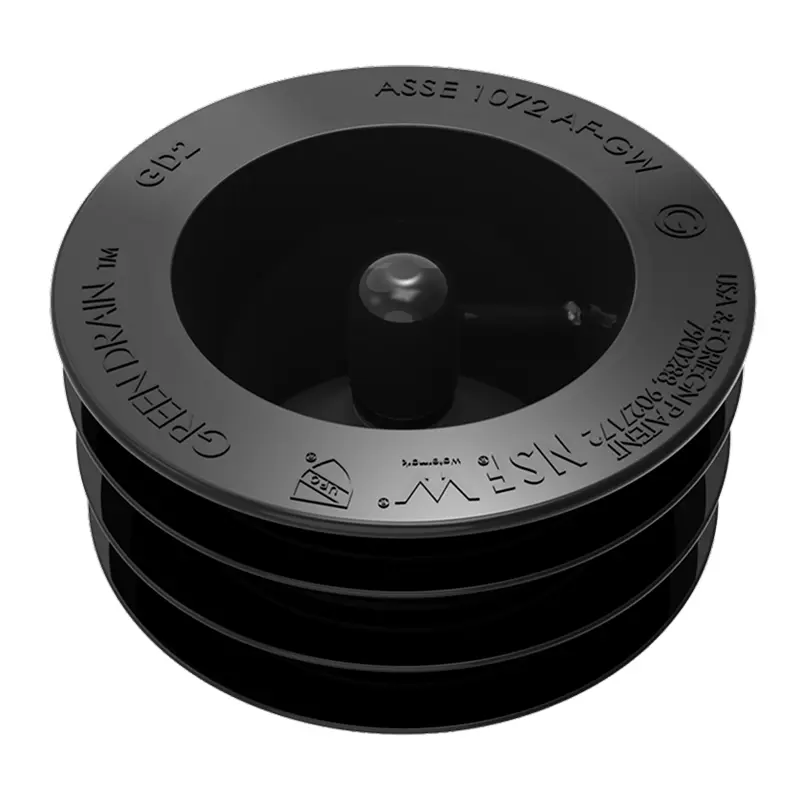
2" Waterless Trap Seal
Restroom floor drains, bar area drains, small prep area drains
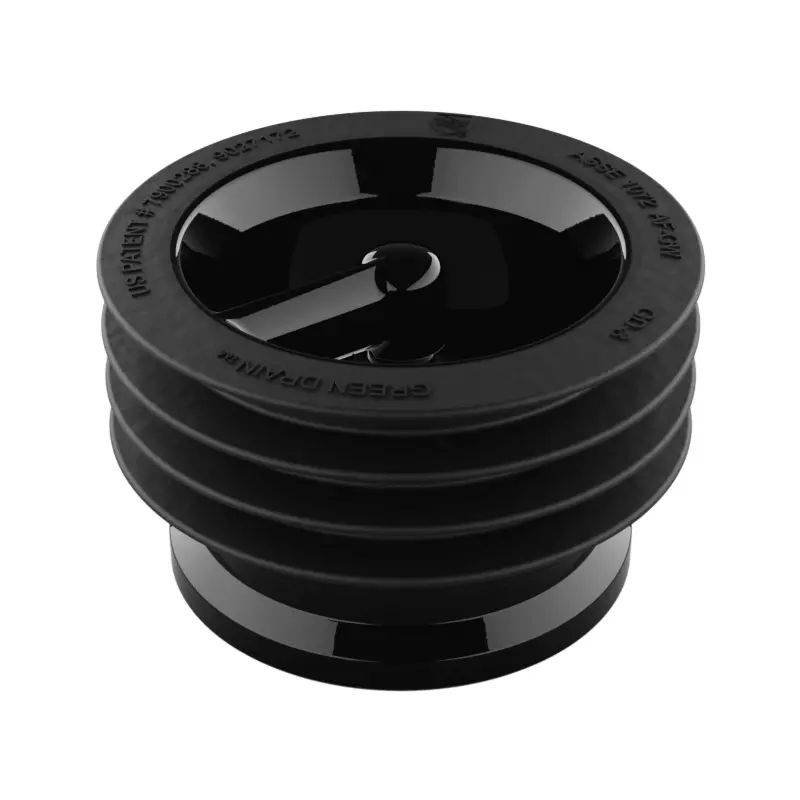
3" Waterless Trap Seal
Kitchen floor drains, dish pit drains, prep area drains, walk-in area drains
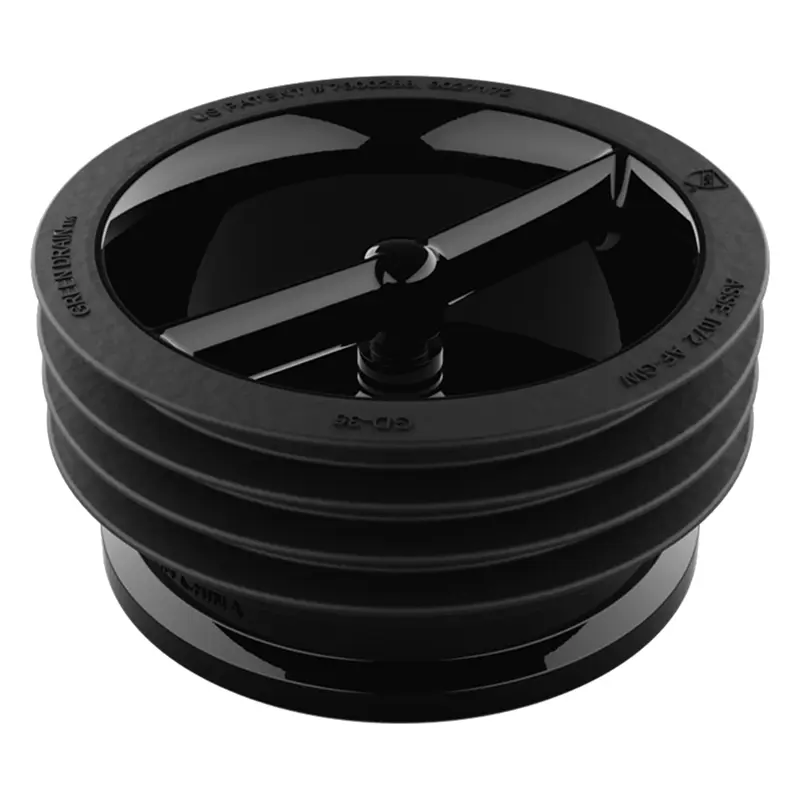
3.5" Waterless Trap Seal
Drain bodies between standard 3" and 4" sizes, older kitchen installations
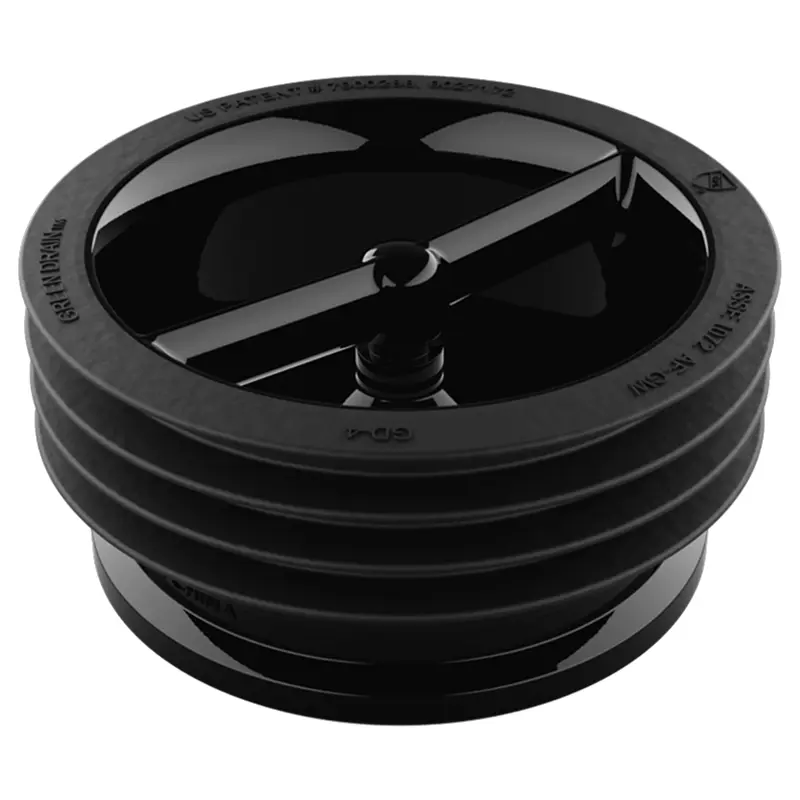
4" Waterless Trap Seal
Large kitchen floor drains, main kitchen drains, patio and outdoor drains
Restaurant Drain Safety Guide
A practical guide for restaurant operators covering the science behind drain flies, the real cost of chemical treatment cycles, food safety certification details, and a step-by-step plan for outfitting your kitchen with Green Drain.
- Drain fly lifecycle and why chemicals do not work
- Chemical treatment cost comparison worksheet
- NSF/ANSI 2 certification and HACCP International certification documentation
- Product sizing guide for restaurant kitchens
Request a Copy
Want this for your facility? Talk to our team for the underlying data, certification results, and specification language.
Contact UsFrequently asked questions.
Why do restaurant floor drains attract drain flies?
Restaurant floor drains collect food particles, grease, and organic matter that accumulate in the drain line and P-trap. This organic buildup creates an ideal breeding environment for drain flies (also called moth flies). When the P-trap water level drops due to evaporation or high-volume drainage, adult flies travel up through the open drain and into the kitchen. The combination of food waste and an unsealed drain is what drives the infestation cycle.
Can drain flies cause a restaurant to fail a health inspection?
Yes. Health inspectors document pest activity during inspections. Drain flies, fruit flies, and other insects in food preparation areas can result in violations, point deductions, or required corrective action. Repeated pest findings can escalate to follow-up inspections and public visibility on inspection reports. Eliminating the source of pest entry, not just treating visible insects, is the approach that prevents recurring violations.
Is Green Drain certified for use in commercial kitchens?
Yes. Green Drain carries NSF/ANSI 2 certification for food equipment material safety and HACCP International certification (Certificate RG-05). These certifications confirm that the device meets food safety material standards for use in commercial kitchens, food processing facilities, and food service environments. Green Drain is also cUPC listed and compliant with ASSE 1072-2020 for plumbing code requirements.
Will Green Drain slow down drainage in a busy kitchen?
No. Green Drain is IAPMO tested at flow rates up to 276 L/min (GD4) (gallons per minute) with only 32 grams of opening force required. The silicone valve opens freely when water flows through and returns to its closed position under its own elastic memory when flow stops. Kitchen wash-down water, mop water, and equipment drainage all pass through normally. The device does not restrict flow during operation.
Are there registered pesticides for drain flies?
No. There are no registered pesticides specifically approved for drain fly control. Pest control companies can treat adult flies with general-use products, but these do not address the breeding site inside the drain or prevent new flies from entering through an unsealed drain. Green Drain provides a physical barrier that blocks pest entry at the source without any chemicals.
How does Green Drain compare to pouring bleach down restaurant drains?
Bleach and chemical drain treatments provide temporary odor suppression and partial biofilm reduction. However, biofilm regrows quickly in restaurant drains due to the constant introduction of organic matter. The P-trap water can still evaporate, leaving the drain open to sewer gas and pests. Green Drain provides a continuous mechanical seal that works regardless of whether chemicals are used and regardless of P-trap water level.
How long does it take to install Green Drain in a restaurant?
Installation takes approximately 30 seconds per drain. Remove the grate, drop the device into the drain body, press to seat the silicone gasket, and replace the grate. No tools required. No plumber needed. A typical restaurant kitchen can be fully outfitted during a single pre-service prep period without disrupting operations.
What sizes does Green Drain come in for restaurant kitchens?
Green Drain is available in 2-inch (GD2), 3-inch (GD3), 3.5-inch (GD35), and 4-inch (GD4) sizes for restaurant applications. The 3-inch and 4-inch models are the most common for commercial kitchen floor drains. The 3.5-inch model fits drain bodies that fall between standard sizes. The 2-inch model serves restroom and bar area drains.
Seal the drains. Protect your kitchen.
Every unsealed floor drain in a restaurant is a pest entry point, an odor source, and an inspection risk. Chemical treatments address the symptom. Pest control services treat the visible flies. Neither one closes the pathway.
Green Drain does not replace your existing plumbing. It works with your P-traps by adding a mechanical seal that blocks pests and gas continuously. Install it once. The drain stays sealed through every overnight closure, every slow season, and every health inspection.
The device carries the food safety certifications your operation requires: NSF/ANSI 2 and HACCP International. It installs in 30 seconds per drain with no tools. And it eliminates the recurring cost of chemicals, deodorizers, and pest control services that were never solving the root cause.
Ready to eliminate drain flies and odor in your kitchen?
Request a sample, get a quote for your restaurant, or talk to a food service specialist.