The infection risk hiding in every hospital floor drain.
Floor drains connect clinical spaces directly to the sewer system. When the trap seal fails, the drain opens as a pathway between the sewer and patient care areas. Green Drain is a waterless one-way valve that allows water to drain but restricts the retrograde movement of air and aerosols, a mechanical seal that never evaporates and fits directly into your facility's preventive maintenance and infection control programs.
Who this page is for.
Whether you are investigating an outbreak, specifying products for a new facility, or managing day-to-day maintenance across a health system, this page gives you the data, certifications, and context you need to evaluate drain seal technology for infection prevention.
Infection Preventionists
You need quantified evidence of how a device restricts the upward movement of air and aerosols from drains. The SGS test data and ASSE 1072-2020 compliance information are here for your evaluation, alongside 40+ peer-reviewed studies documenting the drain transmission risk.
Facility Directors and Plant Ops
You manage hundreds or thousands of floor drains across a campus. You need a device that fits into your existing preventive maintenance program, installs in seconds, requires minimal ongoing attention, eliminates trap primer failures, and reduces water consumption.
Hospital Administration
The cost of a single healthcare-associated infection (HAI) far exceeds the cost of sealing every drain in the facility. This page presents the risk, the evidence, and the ROI case for a system-wide drain seal program.
Healthcare Architects and Engineers
You are specifying drain infrastructure for new construction or renovation. Green Drain is cUPC listed, ASSE 1072-2020 compliant, and can be specified under CSI MasterFormat section 22 13 16.
Hospital drains are a documented infection vector.
Every hospital has hundreds of floor drains. Patient rooms, operating suites, ICUs, NICUs, sterile processing departments, kitchens, utility rooms, corridors. Each one connects the clinical environment to the sanitary drainage system. Each one relies on a small volume of water in a P-trap to maintain the barrier between clean air and sewer gas.
That water evaporates. In rooms with low humidity, high air exchange rates, or infrequent drain use, it can evaporate in days. In unused patient rooms, seasonal wings, or renovation zones, it can evaporate in hours. When it does, the drain becomes a direct conduit between the sewer system and the occupied space above.
Transmission Pathway
Cross-section showing P-trap,
biofilm migration, aerosol dispersal
~760 x 400px
What comes through an unsealed drain?
Hydrogen sulfide and other sewer gases are the obvious concern, but the more dangerous issue is biological. Drain biofilm harbors a dense community of organisms, many of them antimicrobial-resistant. When the trap seal fails, pressure differentials between the sewer system and the building interior can aerosolize organisms from the biofilm and push them into the clinical space.
Published outbreak investigations have identified the following organisms in hospital drain systems: carbapenem-resistant Enterobacteriaceae (CRE), MRSA, Pseudomonas aeruginosa, Klebsiella pneumoniae, Burkholderia cepacia complex, Serratia marcescens, and NDM-producing organisms. These are not theoretical risks. They are documented events with patient outcomes.
The scale of the problem
The CDC estimates that approximately 680,000 healthcare-associated infections occur annually in U.S. hospitals. The World Health Organization reports that 1 in every 31 hospital patients has at least one HAI on any given day. While drains are not the sole source, they represent an uncontrolled transmission pathway in facilities that otherwise invest heavily in surface disinfection, air handling, and hand hygiene.
A landmark 2018 review by Carling examined 23 carbapenem-producing organism (CPO) outbreaks linked to wastewater systems. The findings were clear: drains are reservoirs, biofilm is the mechanism, and physical barriers are the most effective intervention. Chemical treatments and manual flushing showed limited and temporary effectiveness. Devices that physically block the drain pathway showed the strongest outcomes.
The biofilm migration mechanism
Research by Kotay et al. (2019) at the University of Virginia and CDC demonstrated the specific mechanism by which drain organisms reach patients. Bacteria colonize the P-trap, form biofilm on interior surfaces, and gradually migrate upward through the drainage system. Once organisms reach the drain opening, pressure differentials and water flow create aerosol dispersal that can contaminate surfaces within a 30-inch radius of the drain.
This means that the organisms do not need to "escape" the trap in a dramatic event. They colonize their way up to the opening over days and weeks, and then any water flow or pressure change creates the dispersal event. The P-trap water, even when present, does not prevent biofilm migration from below. It only prevents gas passage when the water level is sufficient.
Why this matters now more than ever
Antimicrobial resistance is accelerating. CRE, in particular, has been called an "urgent threat" by the CDC. Treatment options for CRE infections are limited, mortality rates are high, and the economic burden per case is substantial. Every uncontrolled transmission pathway, including floor drains, represents a preventable risk that infection control programs can and should address.
The most recent documented outbreak, a 2025 investigation by Garrigues et al. in Southern California, traced NDM-producing Pseudomonas aeruginosa transmission across a healthcare facility over a 1.5-year period. The drain system was identified as the primary reservoir and transmission pathway. This is not legacy science. This is current, ongoing clinical reality.
Why traditional approaches fall short.
Trap Primers
Require water supply connections, mechanical or electronic components, and ongoing maintenance. A single trap primer can consume over 52,000 gallons of water per year. When they fail (clogged valves, mineral deposits, disconnection during renovation), the trap dries out and the pathway opens. In a hospital, even a brief failure window exposes vulnerable patients.
Chemical Treatments
Temporarily reduce biofilm but cannot eliminate it. Biofilm regrows rapidly, often within hours of treatment. The chemicals themselves raise concerns in healthcare environments, particularly around antibiotic-resistant organism selection pressure. Published research shows chemical treatments provide limited and temporary effectiveness against drain biofilm.
Manual Flushing
Depends entirely on staff compliance, is labor-intensive across large facilities with hundreds of drains, and provides only temporary protection. The P-trap water starts evaporating again immediately after flushing. In hospitals with high staff turnover, drains are routinely missed during flushing rounds.
How Green Drain solves it.
A one-way silicone valve that drops into the existing floor drain body. Water flows down normally. The valve restricts the upward movement of air and aerosols traveling back up through the drain. No water required. No power. Minimal maintenance. Add Green Drain to your preventive maintenance checklist once, and floor drain seal integrity becomes a solved line item.
Green Drain valve in drain body
Open (water flowing) vs. Closed (sealed)
~900 x 360px
Air and aerosol restriction
In the SGS aerosol-retention test (Report QDF25-0049810-01), Green Drain retained over 99.9% of an aerosolized MS2 bacteriophage viral surrogate (ATCC 15597-B1) in a controlled bench test. Fewer than 5 plaque-forming units (PFU) penetrated the device compared to tens of thousands in control trials. Tested under CNAS L0604 accreditation.
Evaporation reduction
ASSE 1072-2020 testing confirmed that Green Drain reduces trap seal evaporation by more than 96%. Even if water remains in the trap, the device dramatically extends the time before a seal would fail. The mechanical seal provides protection regardless of whether water is present.
Continuous mechanical seal
The silicone valve maintains a seal around the clock, regardless of whether the drain receives water. Nothing evaporates. No evaporation window during which the seal is lost. No staff compliance required. No failure mode that opens the pathway.
Zero water consumption
Eliminates the tens of thousands of gallons annually consumed by trap primer systems across a hospital campus. For facilities with sustainability goals, water conservation mandates, or aging primer infrastructure, this is a measurable reduction with immediate impact.
Application areas in healthcare facilities.
Green Drain fits every drain size found in hospital construction. The following areas represent the highest-priority applications for infection prevention programs.
Patient Rooms
Bathroom floor drains and shower drains in patient rooms are frequently cited in outbreak investigations. Low-use rooms, isolation rooms, and seasonal wings are especially vulnerable to trap seal evaporation.
ICUs and NICUs
Critical care environments with immunocompromised patients. Floor drains in ICU bays, isolation rooms, and NICU pods represent the highest-risk drain locations in any hospital. Every unsealed drain is a potential exposure.
Operating Suites
Operating room floor drains serve wash-down and fluid collection during procedures. Between cases and during low-use periods, these drains are susceptible to trap seal evaporation in climate-controlled environments.
Sterile Processing (SPD)
Central sterile processing departments handle decontamination and sterilization of surgical instruments. Floor drains in SPD carry wash-down water from instrument reprocessing. Unsealed drains in this environment introduce contamination risk to the reprocessing workflow.
Hospital Kitchens
Dietary departments and commercial kitchens within hospitals have floor drains for wash-down and grease management. NSF/ANSI 2 certification and HACCP International certification support food safety compliance in these areas.
Mechanical and Utility Rooms
Boiler rooms, chiller plants, and mechanical spaces have large floor drains that receive condensate and equipment drainage. These low-traffic areas are prime locations for trap seal evaporation and sewer gas entry.
Maintenance worker dropping
Green Drain into hospital floor drain
~580 x 380px
Completed installation, grate back on,
clean hospital floor environment
~580 x 380px
What the peer-reviewed research says.
Green Drain maintains a library of 40+ peer-reviewed studies documenting drain-related infection transmission in healthcare facilities. Below are six landmark investigations that define the current understanding of this risk.
Wastewater Drains in 23 CPO Outbreaks
Systematic review of 23 carbapenem-producing organism outbreaks linked to hospital wastewater systems. Found that physical barriers were the most effective intervention. Chemical treatments and manual flushing showed limited effectiveness.
Carling, 2018. Infection Control & Hospital Epidemiology.Droplet- and Aerosol-Generating Potential of Sink Traps
CDC/University of Virginia study demonstrating the specific mechanism: bacteria colonize P-traps, form biofilm, migrate upward through drainage, and aerosolize to contaminate surfaces within a 30-inch radius of the drain.
Kotay et al., 2019. Applied and Environmental Microbiology.NDM-Pseudomonas Outbreak, Southern California
Traced NDM-producing Pseudomonas aeruginosa transmission across a healthcare facility over a 1.5-year period. The drain system was identified as the primary reservoir and transmission pathway. Demonstrates this is an ongoing, current clinical problem.
Garrigues et al., 2025. American Journal of Infection Control.CRE Transmission via Hospital Sink Drains
Documented CRE transmission from contaminated sink drains to patients in an Israeli hospital. Established the link between drain colonization and clinical infection acquisition. One of the earlier studies to confirm the drain-to-patient pathway.
Regev-Yochay et al., 2018. Infection Control & Hospital Epidemiology.Disinfecting Sink Drains Interrupted an ICU Outbreak
During a multidrug-resistant Pseudomonas aeruginosa ICU outbreak, contaminated sink drains were the reservoir. Fitting the drains with a disinfection device cut colonization from 51% to 5% and reduced new patient acquisition to zero, confirming the drain as the source.
de Jonge et al., 2019. Journal of Hospital Infection.Drain-Related Hospital Outbreaks: A Narrative Review
A narrative review of 19 drain-related hospital outbreaks found them protracted and complex, frequently involving multidrug-resistant Gram-negative organisms, with most requiring multi-modal control rather than any single intervention.
Inkster, 2024. Journal of Hospital Infection.Certifications and test data that matter for healthcare.
Green Drain holds six third-party certifications (cUPC, NSF/ANSI 2, WaterMark, CE / ETA-18/0536, Saber, and HACCP International), backed by independent test reports. The items below are the ones most relevant to healthcare specification and procurement. Certifications and test reports are distinct categories, and each is labeled accordingly.
SGS Aerosol-Retention Test Report (MS2 surrogate)
An independent test report, not a certification. In the SGS aerosol-retention test (Report QDF25-0049810-01), the GD3 retained over 99.9% of an aerosolized MS2 bacteriophage viral surrogate (ATCC 15597-B1). Fewer than 5 PFU penetrated vs. tens of thousands in control. CNAS L0604 accredited laboratory. MS2 is a physical surrogate used in aerosol research; surrogate retention in a bench test is not a measure of pathogen retention or infection risk.

cUPC / ASSE 1072-2020
Plumbing code certification (IAPMO File 9301) confirming Green Drain meets barrier-type floor drain trap seal protection device requirements. IAPMO tested: 32g opening force, 276 L/min max flow (GD4), 2,500+ cycle life, >96% evaporation reduction. Required for code compliance in most U.S. and Canadian jurisdictions.
NSF/ANSI 2 certification + HACCP International certification
NSF/ANSI 2 is a material-safety certification for food-contact and clinical environments. HACCP International food safety certification (Certificate RG-05) is a separate, complementary certification. Both are relevant for hospital kitchens, dietary departments, cafeterias, and any healthcare area where food safety compliance applies.

CE / ETA-18/0536
European Technical Assessment verifying 200 Pa odour tightness, Class A thermal resistance, mechanical resistance exceeding 400 Pa, and tested flow rates. Relevant for international healthcare systems and Joint Commission International (JCI) accredited facilities worldwide.
Regulatory and code context.
Understanding where Green Drain fits within healthcare construction codes and regulatory frameworks helps architects, engineers, and facility managers incorporate drain sealing into specifications and procurement.
ASSE 1072-2020: Barrier-Type Floor Drain Trap Seal Protection Devices
This is the ASSE standard that defines performance requirements for waterless trap seal devices. Green Drain is tested and listed under this standard. When specifying, reference ASSE 1072-2020 as the performance standard for barrier-type WTSPD.
FGI Guidelines for Design and Construction of Hospitals
The Facility Guidelines Institute (FGI) publishes the reference standard for hospital construction in the United States. FGI guidelines address plumbing system requirements including floor drain trap seal maintenance. Green Drain provides a code-compliant alternative to trap primers for maintaining seal integrity.
Joint Commission / CMS Conditions of Participation
The Joint Commission and CMS require healthcare facilities to maintain safe environments. While no specific drain seal device is mandated, facilities are expected to identify and mitigate environmental infection risks. Unsealed drains documented in outbreak investigations represent an addressable risk under these requirements.
CSI MasterFormat 22 13 16: Sanitary Waste and Vent Piping
For architects and specifiers, Green Drain can be included in construction specifications under CSI MasterFormat section 22 13 16 (Sanitary Waste and Vent Piping). Specify as "barrier-type floor drain trap seal protection device per ASSE 1072-2020, cUPC listed."
Recommended products for healthcare.
Hospital floor drains typically range from 2" to 6" pipe diameter depending on the area. The GD3 is the model with published SGS aerosol-retention testing data. All models share the same silicone valve design and certification portfolio.
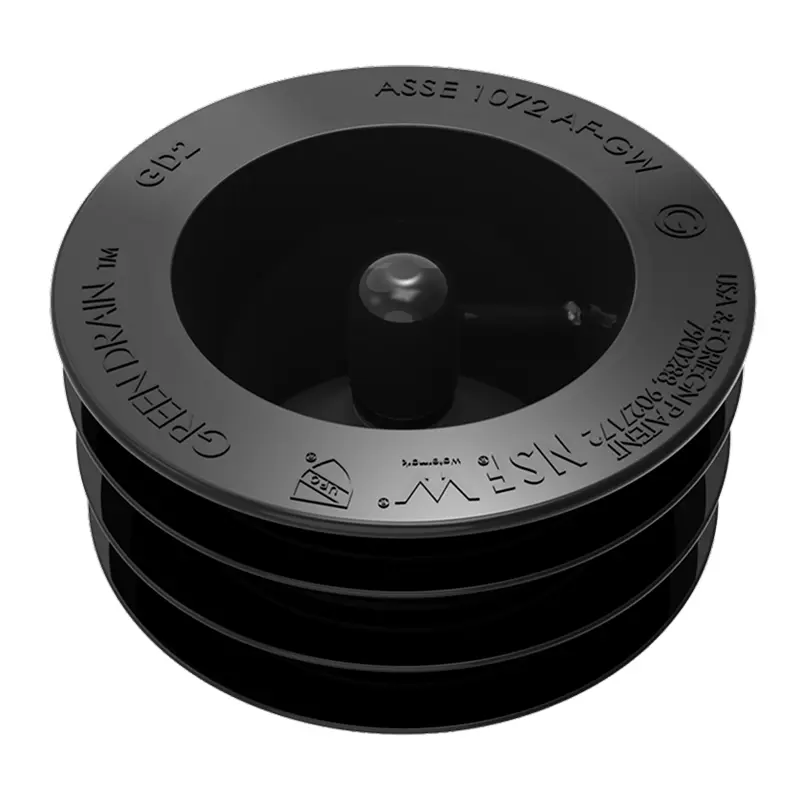
2" Waterless Trap Seal
Patient room bathroom drains, exam room drains, restroom floor drains
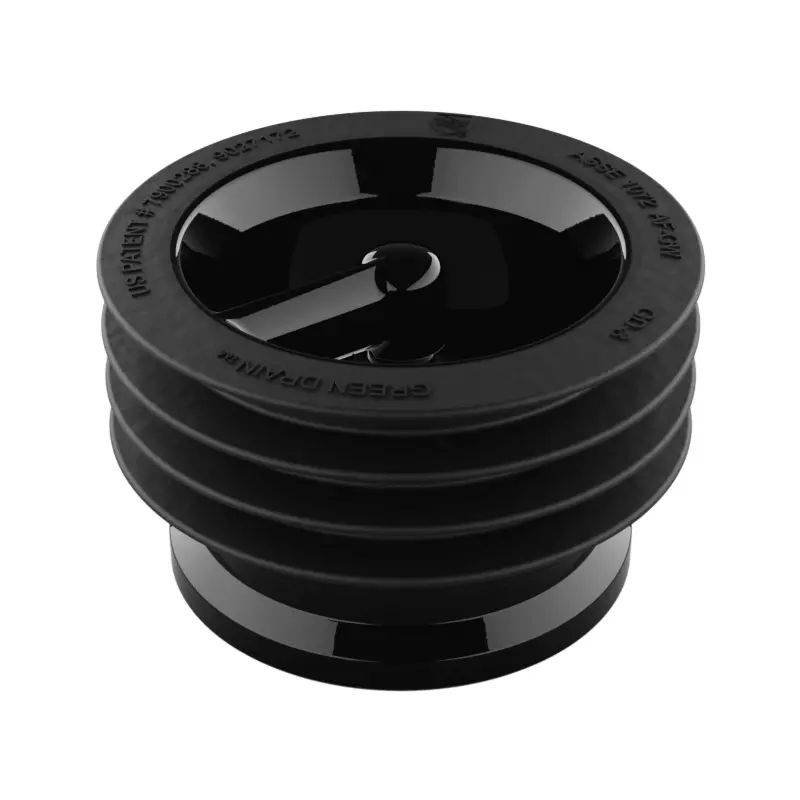
3" Waterless Trap Seal
Utility room drains, sterile processing, corridor drains. SGS aerosol-retention tested model.
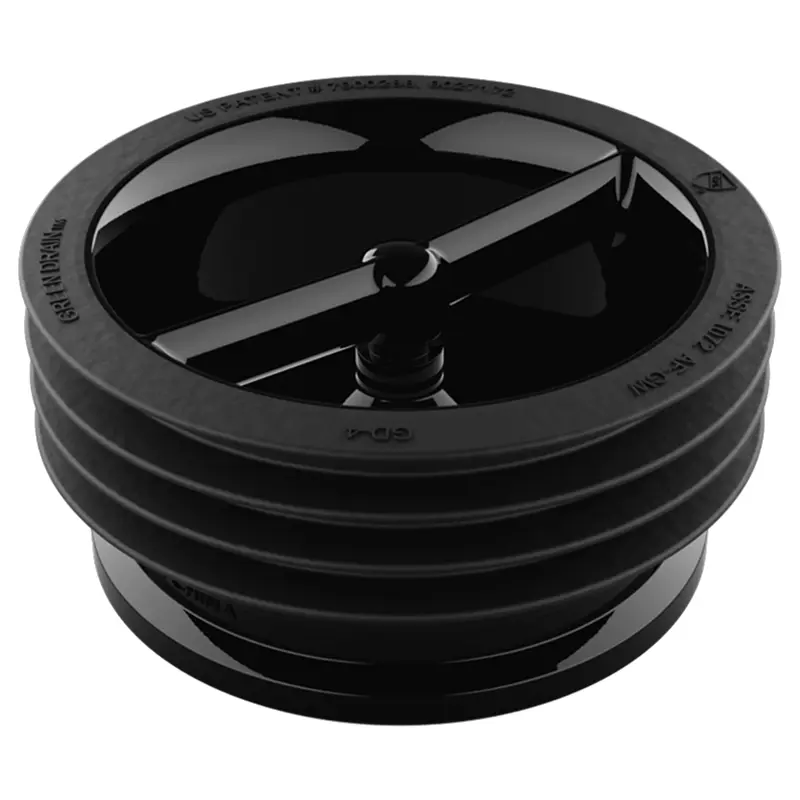
4" Waterless Trap Seal
Kitchen drains, mechanical room drains, operating suite drains, large floor drains
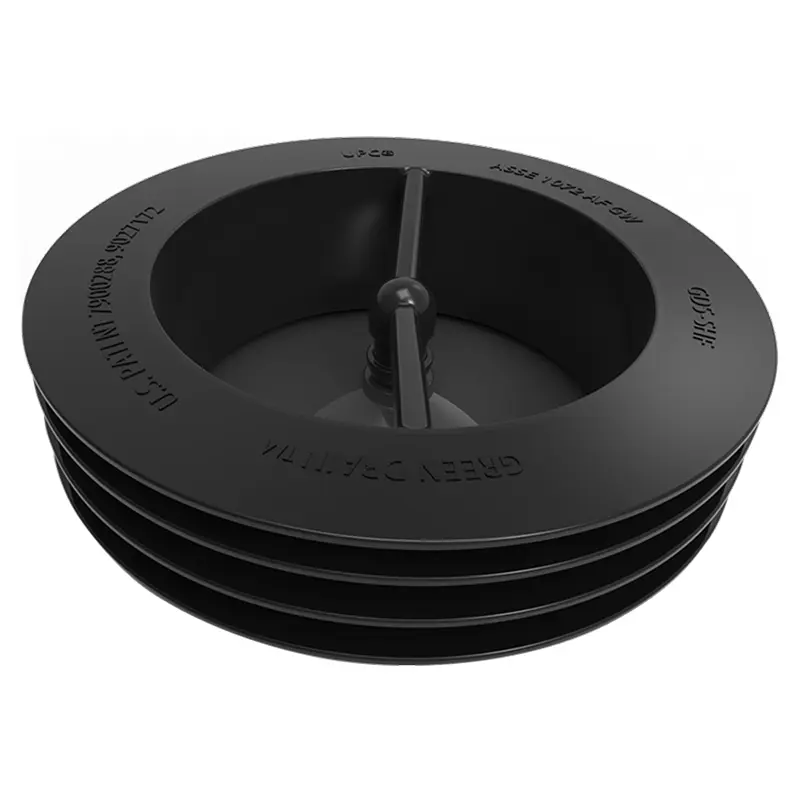
5" Waterless Trap Seal
Large utility drains, equipment wash areas, central plant drains
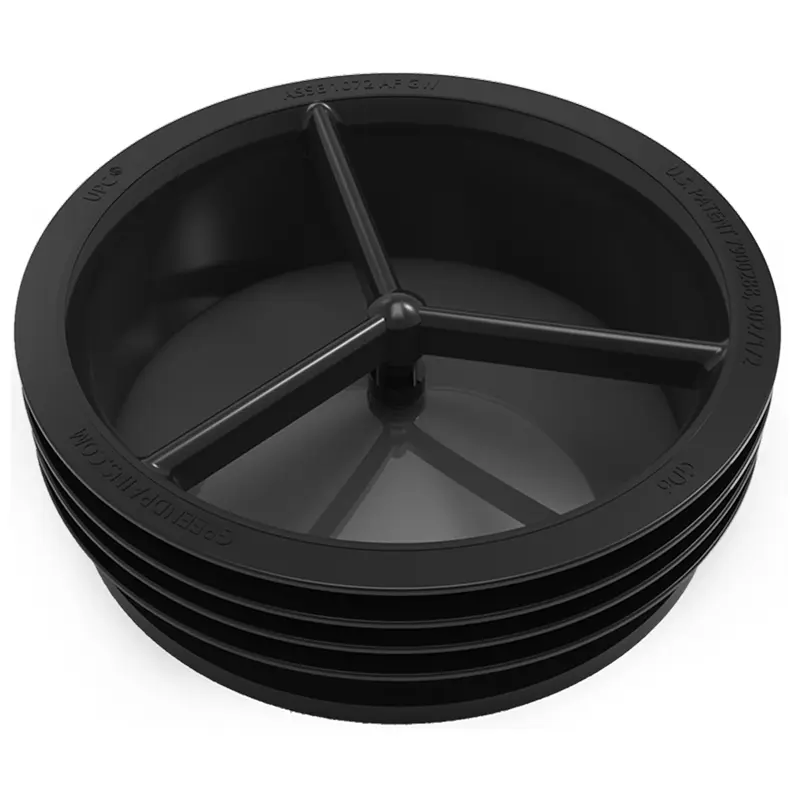
6" Waterless Trap Seal
Central plant drains, large mechanical room floor drains, equipment pads
Healthcare Drain Safety Brief
A concise summary of the drain-to-patient infection pathway, SGS test results, certification data, and specification language for healthcare architects and infection preventionists. Share with your team or include in your next infection control committee presentation.
- SGS aerosol-retention test summary with key data points
- 6 landmark study summaries for IC committee review
- CSI specification language for architects
- Product sizing guide for healthcare facilities
Request a Copy
Want this for your facility? Talk to our team for the underlying data, certification results, and specification language.
Contact UsFrequently asked questions.
Are hospital floor drains a documented reservoir in the infection-prevention literature?
Yes. Over 40 peer-reviewed studies have documented hospital drain systems as reservoirs and transmission pathways for healthcare-associated pathogens including CRE, MRSA, Pseudomonas aeruginosa, and Klebsiella pneumoniae. When the P-trap water seal evaporates, the drain opens as a pathway between the sewer system and patient care areas. Research by Kotay et al. (2019) demonstrated that drain aerosols can contaminate surfaces within a 30-inch radius of the drain opening. No study has tested a trap-seal device against an infection endpoint; Green Drain is a supportive engineering control that restricts the upward movement of air and aerosols and complements, not replaces, infection prevention.
What is the SGS aerosol-retention test for Green Drain?
In the SGS aerosol-retention test (Report QDF25-0049810-01), the Green Drain GD3 retained over 99.9% of an aerosolized MS2 bacteriophage viral surrogate (ATCC 15597-B1) in a controlled bench test. MS2 is a physical surrogate used in aerosol research, so surrogate retention in a bench test is not a measure of pathogen retention or infection risk. The test was conducted under CNAS L0604 accreditation. Fewer than 5 plaque-forming units penetrated the device compared to tens of thousands in control trials. No other waterless trap seal device has published comparable aerosol-retention data.
Does Green Drain meet plumbing code requirements for hospitals?
Green Drain is cUPC listed (IAPMO File 9301) and compliant with ASSE 1072-2020, the standard for barrier-type floor drain trap seal protection devices. It can be specified under CSI MasterFormat section 22 13 16 (Sanitary Waste and Vent Piping). The device is accepted by plumbing authorities across the United States, Canada, Europe (CE/ETA-18/0536), and Australia (WaterMark WM-022837).
How does Green Drain compare to trap primers in hospitals?
Trap primers require water supply connections, mechanical or electronic components, and ongoing maintenance. A single trap primer can consume over 52,000 gallons of water annually. When they fail (clogged by mineral deposits, stuck valves, or disconnection during renovations), the trap dries out and the drain becomes an open pathway to the sewer. Green Drain requires no water, no power, and minimal maintenance, and provides a continuous mechanical seal 24/7. Both devices are recognized under plumbing codes as methods for maintaining trap seal integrity.
Which Green Drain models are used in hospitals?
Hospital floor drains typically range from 2 inches to 6 inches in pipe diameter. The most commonly specified models for healthcare are the GD3 (3 inch, the model with published SGS aerosol-retention data), GD4 (4 inch, the most common commercial floor drain size), and GD2 (2 inch, for patient room and restroom drains). Larger models (GD5, GD6) serve mechanical rooms and central plant areas.
Is Green Drain certified for use in hospital kitchens?
Yes. Green Drain carries NSF/ANSI 2 certification for food equipment material safety and a separate HACCP International certification (Certificate RG-05). Together they support food safety compliance in hospital dietary departments, commercial kitchen environments, and cafeteria floor drain applications.
How long does it take to install Green Drain in a hospital?
Installation takes approximately 30 seconds per drain. Remove the grate, drop the device into the drain body, press to seat the silicone gasket, and replace the grate. No tools required. No disruption to patient care. A maintenance crew can outfit an entire hospital floor in an afternoon.
What pathogens have been traced to hospital drain systems?
Published outbreak investigations have traced carbapenem-resistant Enterobacteriaceae (CRE), MRSA, Pseudomonas aeruginosa, Klebsiella pneumoniae, Burkholderia cepacia complex, Serratia marcescens, and NDM-producing organisms to hospital drain biofilm. These organisms can aerosolize from drains and contaminate patient care surfaces. The Carling 2018 review alone documented 23 CPO outbreaks linked to hospital wastewater systems.
Seal the drains. Restore the barrier.
Every unsealed floor drain in a hospital is an uncontrolled pathway between the sewer system and the occupied space. Infection control programs that invest heavily in surface disinfection, air handling, and hand hygiene while ignoring the open pipes in the floor have a documented blind spot.
Green Drain does not replace existing infection control practices. It is a supportive engineering control that addresses a gap those practices do not currently reach. The device works with your existing plumbing infrastructure. It supplements your existing P-traps with a mechanical seal that never fails due to evaporation, restricting the upward movement of air and aerosols from the drainage system into the room.
The cost of a single healthcare-associated infection (treatment, extended length of stay, liability, CMS penalties) far exceeds the cost of sealing every drain in the facility. The evidence is in the research. The solution is in the drain.
Ready to restore the barrier on every hospital floor drain?
Request a sample, get a facility-wide quote, or talk to a healthcare specialist.