A Guest Will Forgive a Slow Elevator. They Won't Forgive a Smelly Drain.
Drain odor is the fastest path to a negative review. It signals "dirty" to a guest, even in a spotless room. The problem is not housekeeping. It is the P-trap water seal evaporating in low-use drains, opening a direct pathway from the sewer system to the guest room. Green Drain seals that pathway with a mechanical valve that never dries out. It is the preventive maintenance step that protects the guest experience before a complaint ever happens.
Who this page is for.
Whether you are managing guest experience across a 200-room property, overseeing engineering for a resort portfolio, or trying to eliminate recurring drain complaints from housekeeping reports, this page gives you the context, product data, and certification details you need to evaluate Green Drain for your property.
Hotel General Managers
You see the guest complaints and the review scores. Drain odor is a reputation problem that housekeeping cannot solve with cleaning products. This page explains why the odor persists and how to eliminate it at the source across your entire property.
Directors of Engineering
You manage the drains, the trap primers, and the flushing schedules. You know the scale of the problem. This page covers product sizing, installation, and how Green Drain works with your existing plumbing infrastructure without modifications.
Housekeeping Directors
Your team gets the complaint first. Air fresheners and drain cleaner are temporary fixes that do not address the root cause. This page shows how sealing the drain eliminates the odor so your team can focus on what they do best.
Resort Operations
Seasonal properties face the worst trap evaporation problems. Drains that sit unused for weeks or months during off-season lose their water seal entirely. This page explains how Green Drain protects your property year-round, occupied or not.
The drain odor problem that housekeeping cannot fix.
Every hotel has hundreds of floor drains. Guest room bathrooms, lobby restrooms, kitchen floors, pool decks, fitness centers, laundry rooms, mechanical spaces. Each drain connects to the building's sanitary sewer system. Each one relies on a small volume of water in a P-trap to create a barrier between the sewer line and the occupied space above.
That water evaporates. In a hotel room that sits unoccupied for two to three weeks, the trap can lose its seal completely. In seasonal properties that close wings during low-demand periods, traps dry out even faster. Once the water is gone, hydrogen sulfide and other sewer gases flow directly into the room. The guest walks in, smells the odor, and reaches a conclusion: this room is not clean.
in Hotel Guest Room Drain
Cross-section showing full trap vs.
dried trap with sewer gas pathway
~760 x 400px
Why this is a guest experience crisis, not a maintenance nuisance
A guest who encounters drain odor does not call engineering. They call the front desk, request a room change, or leave a review. That review does not say "the P-trap had evaporated." It says "the room smelled like sewage" or "there was a terrible odor in the bathroom." One review like that can influence dozens of booking decisions.
Hotels invest heavily in linens, lighting, amenities, and design. The entire guest experience can be undermined by a single dried-out floor drain. And the problem compounds: a property with 200 rooms has 400 or more individual drains, each one capable of losing its seal independently. Manual flushing programs cannot reliably cover that volume, especially during high-turnover periods.
The scale problem: 200+ rooms, 400+ drains
Consider a mid-size hotel with 200 guest rooms. Each room has at least two drains (shower and bathroom floor). That is 400 drains just in guest rooms. Add lobby restrooms, fitness center showers, pool areas, kitchen floor drains, laundry rooms, and mechanical spaces, and the count can reach 500 or more. Every one of those drains has a P-trap that can dry out.
A manual flushing program would require staff to visit each drain on a regular schedule, pour water, and document the visit. For a 500-drain property, that is a significant labor commitment. Drains get missed. New staff do not know the schedule. Seasonal closures reset the clock on every trap in the building. The program works until it does not, and the first sign of failure is a guest complaint.
Why trap primers are not the answer at hotel scale
Trap primers are mechanical or electronic devices that periodically add water to the P-trap. They require water supply connections at each drain location, ongoing maintenance, and monitoring. A single continuous-flow trap primer can consume over 52,000 gallons of water per year. Across a large hotel property, the water cost and maintenance burden are substantial.
More importantly, trap primers fail. Valves clog with mineral deposits. Supply lines get disconnected during renovations. Electronic controls malfunction. When a trap primer fails, the trap dries out and the odor returns. In a hotel with dozens of trap primers, tracking and maintaining each one is a full-time job that most engineering departments cannot sustain.
Seasonal properties face the worst of it
Resorts and seasonal hotels that close wings or entire buildings during off-season periods face an accelerated version of this problem. Every drain in every closed room loses its water seal. When the property reopens, engineering teams spend days running water through hundreds of drains before rooms can be sold. Even then, traps in low-use areas continue to dry out throughout the season. Green Drain eliminates this pre-season ritual entirely. The mechanical seal holds whether the drain receives water or not.
Why traditional approaches fall short.
Trap Primers
Require water supply connections at every drain location, ongoing maintenance, and monitoring. A single unit can consume over 52,000 gallons of water per year. When they fail (mineral buildup, stuck valves, disconnection during renovation), the trap dries out and the odor returns. At hotel scale with hundreds of drains, maintaining a reliable trap primer program is impractical.
Air Fresheners
Mask the symptom without addressing the source. The sewer gas continues to enter the room. Guests notice. Sophisticated travelers recognize the combination of fragrance and underlying odor as a cover-up, which makes the perception worse, not better. Air fresheners are a cost with no return.
Manual Flushing
Depends entirely on staff compliance across hundreds of drain locations. The P-trap starts evaporating again immediately after flushing. During high-turnover periods, staff shortages, or seasonal transitions, drains get missed. A single missed drain in a guest room is a potential complaint. Manual flushing does not scale.
How Green Drain solves it.
A one-way silicone valve that drops into the existing floor drain body. Water flows down normally. The valve physically blocks sewer gas, odors, and pests from traveling back up through the drain. No water required. No power. Minimal maintenance. The device works with your existing P-traps, adding a mechanical seal that never evaporates. For engineering teams running preventive maintenance programs, Green Drain turns drain odor prevention from a recurring task into a permanent fix.
Green Drain valve in drain body
Open (water flowing) vs. Closed (sealed)
~900 x 360px
Continuous mechanical seal
The silicone valve maintains a seal around the clock, whether the room is occupied or vacant. Nothing evaporates. No evaporation window during which the seal is lost. The drain is sealed the moment installation is complete and stays sealed indefinitely.
Evaporation reduction
ASSE 1072-2020 testing confirmed that Green Drain reduces trap seal evaporation by more than 96%. Even with water still in the P-trap, the device dramatically extends the time before a seal would fail. For seasonal properties, this means the traps hold through extended closure periods.
Per-drain installation
Remove the grate, drop the device in, press to seat the gasket, replace the grate. No tools. No plumbing modifications. No disruption to guests. A maintenance team can outfit an entire hotel floor in an afternoon during normal operations.
Zero water consumption
Eliminates the tens of thousands of gallons consumed annually by trap primer systems. For properties with sustainability goals, water conservation programs, or aging primer infrastructure, Green Drain reduces both water usage and maintenance labor immediately.
Application areas in hotel properties.
Green Drain fits every drain size found in hotel and resort construction. The following areas represent the most common sources of drain odor complaints in hospitality properties.
Guest Room Bathrooms
Shower drains and bathroom floor drains are the number one source of guest complaints. Rooms that sit unoccupied for even a few weeks can develop sewer gas odor from dried P-traps. This is the highest-priority application for guest experience.
Fitness Centers and Spas
Shower rooms and pool deck drains often receive intermittent use. During slow periods, these drains dry out quickly. The odor is particularly noticeable in enclosed fitness and spa environments where guests expect a fresh, clean atmosphere.
Lobby and Public Restrooms
Public-facing restrooms create first impressions. Floor drains in lobby restrooms, banquet hall facilities, and conference center washrooms are high-visibility locations where odor directly affects guest perception of the entire property.
Hotel Kitchens
Commercial kitchen floor drains handle wash-down water and food waste. NSF/ANSI 2 certification and HACCP International certification support food safety compliance. Kitchen drains also attract pests when the trap seal fails, creating a health code risk beyond odor.
Laundry Rooms
Hotel laundry facilities have large floor drains that receive equipment drainage. These drains can develop odor issues that transfer to clean linens stored nearby, creating a secondary guest experience problem.
Mechanical and Utility Rooms
Boiler rooms, chiller plants, and mechanical spaces have floor drains that receive condensate and equipment drainage. Low-traffic areas are prime locations for trap seal evaporation and sewer gas entry that can migrate to occupied spaces.
Maintenance worker dropping
Green Drain into hotel bathroom drain
~580 x 380px
Completed installation, grate back on,
clean shower floor environment
~580 x 380px
What hospitality teams are saying.
"Green Drain has assisted us in reducing ongoing odour issues, mitigating pest activity, and supporting our broader water conservation initiatives by removing the reliance on traditional water trap seals. The product has enabled a proactive approach to drainage management rather than a reactive maintenance response."
"This innovation has enhanced the overall guest experience while positively contributing to our sustainability efforts. The Green Drains have significantly reduced odor issues in guestrooms, resulting in a noticeable improvement in guest comfort and satisfaction."
Certifications that matter for hospitality.
Green Drain carries the most comprehensive certification portfolio of any waterless trap seal device on the market. The following certifications are most relevant for hotel specification and procurement.
NSF/ANSI 2 + HACCP International
Material safety certification for food-contact environments. HACCP International certification (Certificate RG-05). Required for hotel kitchens, banquet catering areas, room service prep, and any food service operation within the property.

cUPC / ASSE 1072-2020
Plumbing code certification (IAPMO File 9301) confirming Green Drain meets barrier-type floor drain trap seal protection device requirements. IAPMO tested: 32g opening force, 276 L/min max flow (GD4), 2,500+ cycle life, >96% evaporation reduction. Required for code compliance in most U.S. and Canadian jurisdictions.

CE / ETA-18/0536
European Technical Assessment verifying 200 Pa odour tightness, Class A thermal resistance, mechanical resistance exceeding 400 Pa, and tested flow rates. Relevant for international hotel chains with properties across multiple regulatory jurisdictions.

HACCP International
Food safety certification (Certificate RG-05) confirming that Green Drain supports HACCP-based food safety programs. Important for hotel properties with in-house restaurants, catering operations, and banquet facilities.
Recommended products for hotels.
Hotel drain sizes typically range from 1.5" to 4" depending on the application area. Guest room bathroom drains are usually the smallest. Kitchen and mechanical room drains are the largest. All models share the same silicone valve design and certification portfolio.
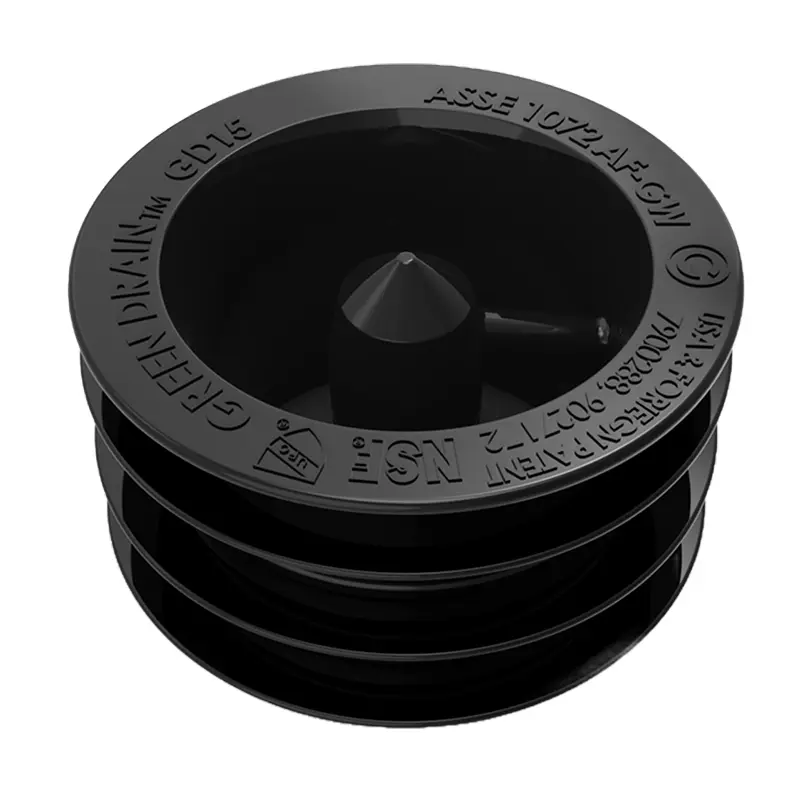
1.5" Waterless Trap Seal
Guest room shower drains, small bathroom floor drains
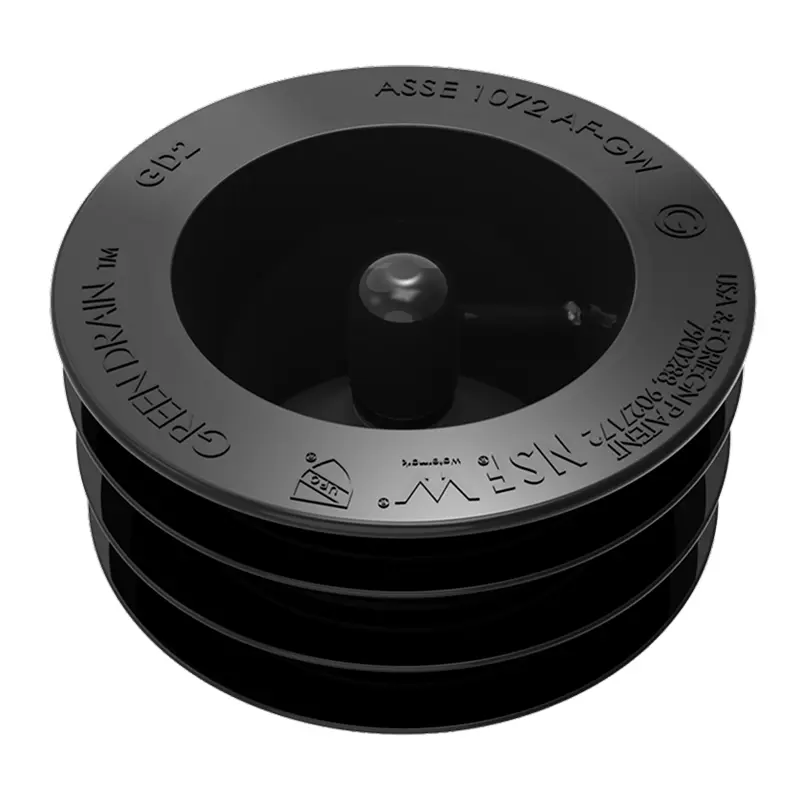
2" Waterless Trap Seal
Guest room bathroom drains, fitness center showers, public restroom floor drains
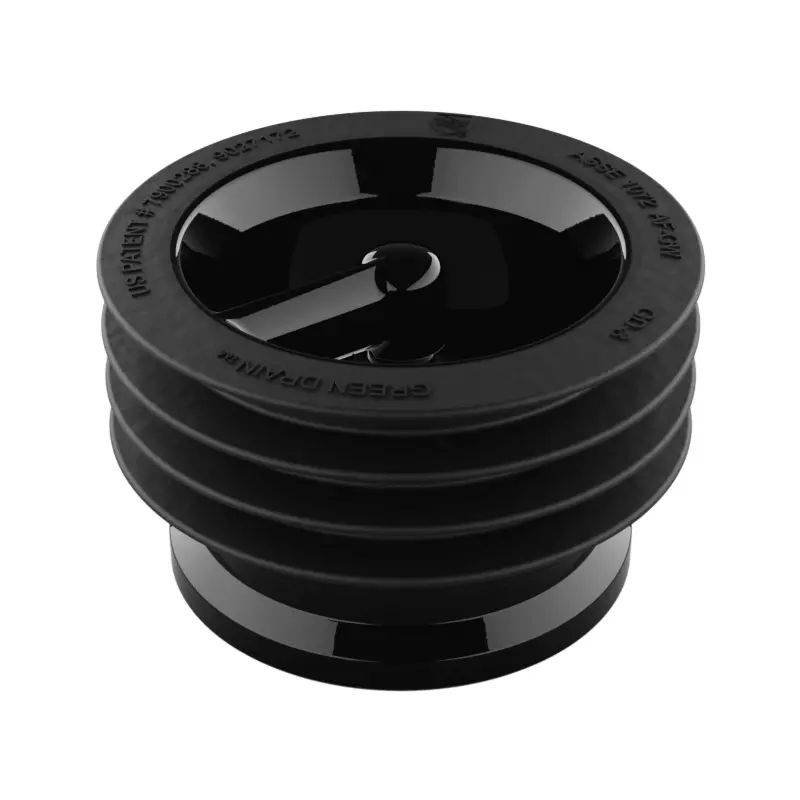
3" Waterless Trap Seal
Lobby restroom drains, kitchen drains, corridor drains, pool area drains
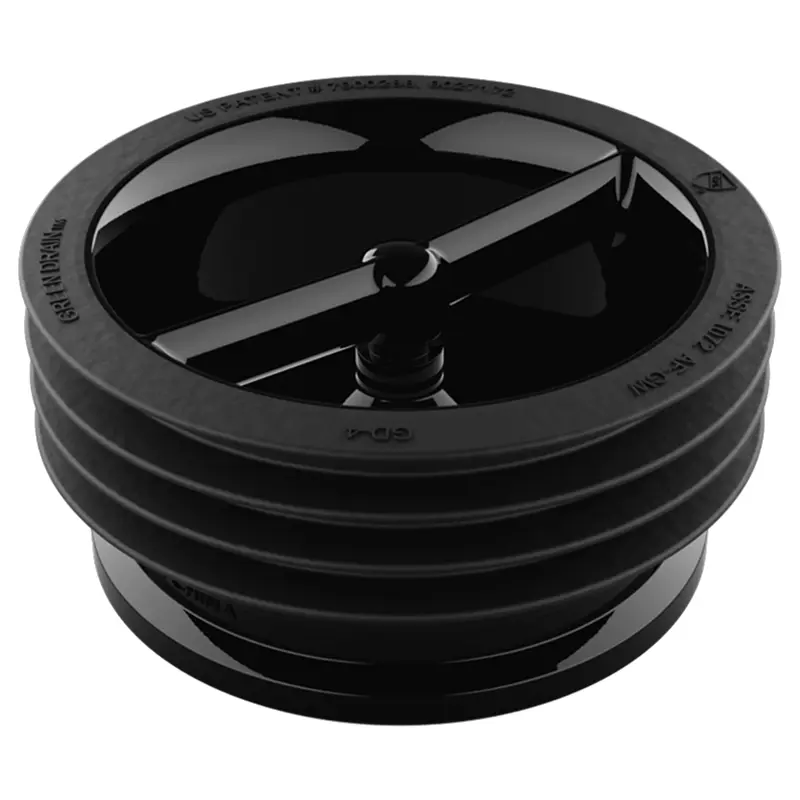
4" Waterless Trap Seal
Kitchen floor drains, mechanical room drains, laundry room drains, large utility drains
Hospitality Drain Odor Guide
A concise guide to drain odor in hotel properties: why it happens, why traditional fixes fail, and how to solve it permanently across your entire property. Share with your engineering team or include in your next capital planning discussion.
- Root cause explanation for hotel drain odor
- Product sizing guide for hospitality applications
- ROI framework: odor complaints vs. seal cost
- Installation planning for 200+ room properties
Request a Copy
Want this for your facility? Talk to our team for the underlying data, certification results, and specification language.
Contact UsFrequently asked questions.
Why do hotel bathroom drains smell even after cleaning?
The odor is not coming from the drain surface. It is coming from the sewer system below. Every floor drain has a P-trap, a U-shaped pipe that holds water to create a barrier between the room and the sewer line. When that water evaporates in an unoccupied room, sewer gas rises directly into the guest room. Cleaning the visible drain does nothing to restore the water seal. The only way to stop the odor is to maintain the seal, either with water or with a mechanical device like Green Drain.
How quickly can a hotel drain trap dry out?
In typical hotel HVAC conditions, a P-trap can lose its water seal in 2 to 3 weeks without use. In dry climates, rooms with high air turnover, or properties that shut down seasonal wings, traps can dry out even faster. Once the seal is gone, sewer gas flows freely into the space until someone runs water again. Green Drain eliminates this cycle by providing a mechanical seal that holds regardless of water presence.
Can Green Drain be installed in existing hotel drains without renovation?
Yes. Green Drain drops into the existing drain body in about 30 seconds. Remove the grate, insert the device, press to seat the silicone gasket, and replace the grate. No tools, no plumbing modifications, no disruption to guests. The device works with your existing plumbing. A maintenance team can outfit an entire floor during normal operations.
How does Green Drain handle a 200-room hotel with 400+ drains?
Scale is where Green Drain provides the most value. Manual flushing programs for hundreds of drains are labor-intensive and difficult to sustain. Trap primers require plumbing connections, ongoing maintenance, and water consumption at every location. Green Drain installs once and requires minimal ongoing maintenance. A property with 400 drains can be fully equipped in a single day with a small maintenance crew.
Will Green Drain work in hotel kitchen and pool area drains?
Yes. Green Drain carries NSF/ANSI 2 certification for food equipment material safety and HACCP International certification, making it suitable for hotel kitchen and food service drains. For pool areas, spa facilities, and fitness center showers, Green Drain handles the water flow from normal use while maintaining a seal during dry periods.
Do air fresheners solve hotel drain odor?
No. Air fresheners mask the symptom without addressing the source. The odor comes from hydrogen sulfide and other sewer gases entering the room through a dried-out P-trap. As long as the pathway is open, the gases will continue to enter the space. Green Drain physically seals the drain opening so the gases cannot pass through, eliminating the odor at its source rather than covering it up.
What drain sizes are found in hotels?
Hotel drain sizes typically range from 1.5 inches to 4 inches. Guest room bathroom drains are commonly 1.5 to 2 inches. Corridor and utility drains are typically 3 inches. Kitchen, pool, and mechanical room drains are usually 3 to 4 inches. Green Drain offers models for each size: GD15 (1.5 inch), GD2 (2 inch), GD3 (3 inch), and GD4 (4 inch).
How does drain odor affect hotel reviews and revenue?
A single negative review mentioning odor can influence dozens of future booking decisions. Guests associate drain smell with cleanliness, even when the room is spotless. Properties that address the root cause see fewer complaints, better review scores, and stronger repeat booking rates. The cost of sealing every drain in a hotel is a fraction of the revenue impact from even a few odor-related negative reviews.
Seal the drains. Protect the guest experience.
Every unsealed drain in your property is a potential guest complaint. A complaint that housekeeping cannot fix, that air fresheners cannot cover, and that engineering cannot prevent with manual flushing at scale.
Green Drain does not replace your existing plumbing. It works with your P-traps to add a mechanical seal that never evaporates and requires minimal maintenance. No flushing schedules. No trap primer upkeep. Simple to inspect, simple to replace when the time comes.
The math is straightforward. The cost of sealing every drain in a 200-room hotel is less than the revenue impact of a handful of negative reviews. Protect the rooms. Protect the reviews. Protect the brand.
Ready to eliminate drain odor across your property?
Request a sample, get a property-wide quote, or talk to a hospitality specialist.