In food manufacturing, an unsealed drain is an audit finding waiting to happen.
Floor drains in food plants connect production areas directly to the sanitary sewer system. When the P-trap water evaporates, pathogens, sewer gas, and pests gain a direct pathway into your facility. Green Drain seals that pathway with a mechanical valve that works with your existing plumbing, requires minimal maintenance, and supports HACCP, SQF, BRC, and FSMA compliance.
Who this page is for.
Whether you are preparing for a third-party food safety audit, investigating a biofilm contamination issue, or specifying drain infrastructure for a new production line, this page gives you the certifications, test data, and technical context you need to evaluate drain seal technology for food and beverage manufacturing.
Plant Managers
You oversee production operations where drain odor, pest findings, and environmental control deficiencies affect audit scores, operational efficiency, and product safety. You need a solution that scales across the entire facility and eliminates drain-related issues permanently.
Food Safety Directors
You manage HACCP plans, FSMA compliance, and environmental monitoring programs. You need quantified test data and third-party validation for your drain controls. The SGS aerosol-retention test data, HACCP International certification, and NSF/ANSI 2 certification are here for your evaluation.
QA Managers
You coordinate third-party audits under SQF, BRC, and other GFSI-benchmarked schemes. Drain maintenance documentation, pest control evidence, and environmental monitoring results are part of every audit. Green Drain simplifies compliance documentation and eliminates a common audit finding.
HACCP Coordinators
You identify and control hazards at critical control points throughout the production process. Floor drains represent a biological hazard pathway that crosses every zone in the facility. Green Drain provides a documented, certified physical control measure for your HACCP plan.
Floor drains are the most overlooked contamination risk in food manufacturing.
Every food and beverage manufacturing facility has floor drains throughout production areas, ingredient storage, packaging zones, cold storage, wash-down bays, and shipping areas. Each one connects the production environment to the sanitary sewer system. Each one relies on a small volume of water in a P-trap to maintain the barrier between the food production space and the microbial ecosystem below.
That water evaporates. In facilities with controlled humidity, high air exchange rates, or drains that do not receive regular water flow, the P-trap can dry out in days. During production changeovers, weekend shutdowns, holiday closures, and seasonal slowdowns, drains across the facility lose their seal. When that happens, the drain becomes a direct conduit between the sewer system and the production floor.
Contamination Pathway
Cross-section showing P-trap, biofilm,
pathogen migration into food production zone
~760 x 400px
The biofilm problem
Floor drains in food manufacturing facilities are ideal environments for biofilm formation. Organic matter from production processes, warm temperatures, and moisture create conditions where Listeria monocytogenes, Salmonella, E. coli, and other pathogens colonize drain surfaces and P-trap interiors. This biofilm is extremely difficult to eliminate through chemical sanitation alone. Research consistently shows that biofilm regrows rapidly after treatment, often within hours.
The organisms within drain biofilm do not stay in the drain. They migrate upward through the drainage system, colonizing pipe surfaces as they go. When the P-trap seal fails or water flow disturbs the drain opening, these organisms can aerosolize into the production environment. An SGS aerosol-retention test showed that Green Drain retained over 99.9% of an aerosolized MS2 bacteriophage viral surrogate (Report QDF25-0049810-01), restricting the upward movement of air and aerosols through this pathway.
The audit and compliance risk
Unsealed or improperly maintained floor drains are a common finding in third-party food safety audits. SQF, BRC, FSMA, and HACCP audit protocols all include environmental control requirements that cover floor drain maintenance, pest exclusion, and pathogen harborage prevention. A single drain-related finding can lower your audit score, trigger corrective action requirements, or in severe cases, lead to certification suspension.
Environmental monitoring programs increasingly target floor drains as indicator sites for Listeria and other pathogens of concern. A positive environmental sample from a floor drain can trigger hold-and-release protocols, additional testing, root cause investigations, and production delays. The cost of managing a positive finding far exceeds the cost of preventing it.
The pest intrusion vector
Unsealed floor drains provide entry points for cockroaches, drain flies, and other pests that travel through sewer systems. In food manufacturing, pest findings during a third-party audit are critical deficiencies. Beyond the audit impact, pest intrusion from drains introduces contamination directly into production areas, ingredient storage zones, and packaging environments. A single pest sighting in a customer audit can have consequences for supplier qualification and contract retention.
The cost of getting it wrong
A single food contamination event involving a recall can cost millions of dollars in product destruction, regulatory penalties, legal liability, and brand damage. The FDA estimates that a food recall costs an average company $10 million in direct costs alone. Indirect costs, including lost customer relationships, reduced market share, and reputational damage, can be many times higher. Every unsealed drain in a food manufacturing facility is an uncontrolled contamination pathway that represents a preventable risk.
Why traditional approaches fall short.
Trap Primers
Require water supply connections, mechanical or electronic components, and ongoing maintenance for every drain. When they fail due to mineral buildup, stuck valves, or disconnection during sanitation or construction, the trap seal is lost and the drain becomes an open pathway. In food manufacturing, even a brief failure window during a production run creates exposure risk.
Chemical Sanitation Alone
Chemical treatments temporarily reduce drain biofilm but cannot eliminate it. Biofilm regrows rapidly, often within hours of treatment. Listeria, in particular, is known for its ability to persist in drain biofilm despite aggressive sanitation protocols. Chemical treatment addresses the symptom. A physical seal addresses the pathway.
Manual Flushing
Depends entirely on sanitation crew compliance, is labor-intensive across large facilities, and provides only temporary protection. The P-trap water starts evaporating again immediately after flushing. During weekends, holidays, and production changeovers, drains are routinely missed and seals are lost.
How Green Drain solves it.
A one-way silicone valve that drops into the existing floor drain body. Water flows down normally. The valve physically blocks sewer gas, odor, and pests, and restricts the upward movement of air and aerosols from the drain. No water required. No power. Minimal maintenance. Works with your existing P-traps and plumbing infrastructure.
Green Drain valve in drain body
Open (water flowing) vs. Closed (sealed)
~900 x 360px
Aerosol retention
An SGS aerosol-retention test (Report QDF25-0049810-01) showed the device retained over 99.9% of an aerosolized MS2 bacteriophage viral surrogate (ATCC 15597-B1). Fewer than 5 plaque-forming units penetrated the device compared to tens of thousands in control trials. Tested under CNAS L0604 accreditation.
Proven durability
IAPMO life cycle testing confirmed zero degradation after 2,500 hot and cold water cycles. The silicone valve opens fully under water flow for production wash-down, CIP discharge, and sanitation processes. Built for the rigors of food manufacturing environments.
Freezer to hot wash-down
Medical-grade silicone maintains flexibility and seal integrity from -40F through 212F (100C). Rated for freezer environments, cold storage, hot fill operations, and high-temperature CIP processes. The valve does not become brittle in cold or deform in heat.
Continuous mechanical seal
The silicone valve maintains a seal around the clock, regardless of whether the drain receives water. Nothing evaporates. No evaporation window during which the seal is lost. No staff compliance required. Production changeovers, weekends, and holidays are fully covered.
Application areas in food and beverage plants.
Green Drain fits every drain size found in food manufacturing construction. The following areas represent the highest-priority applications for food safety and sanitation teams.
Production Floors
Floor drains in production zones receive wash-down water, product spillage, and sanitation chemicals daily. These drains are the highest-priority locations for pathogen control. Environmental monitoring programs routinely target production floor drains as indicator sites for Listeria and other organisms.
Ingredient and Raw Material Storage
Storage areas often have floor drains that receive minimal water flow, making them highly susceptible to trap seal evaporation. Pest intrusion from drains in ingredient storage areas represents a direct contamination risk to raw materials before they enter the production process.
Packaging and Finished Goods
Drains in packaging areas must be sealed to prevent post-process contamination. An unsealed drain near a packaging line represents a pathway for airborne pathogens to reach finished product. This is especially critical in ready-to-eat product facilities.
Cold Storage and Freezer Areas
Drains in cold storage face constant low temperatures that can freeze P-trap water. When the ice thaws, the water drains away and the seal is lost. Green Drain's silicone valve maintains flexibility and seal integrity at temperatures as low as -40F, providing continuous protection in cold chain environments.
CIP and Wash-Down Bays
Clean-in-place discharge areas and equipment wash-down bays have drains that receive high-temperature water, caustic cleaners, and acidic solutions. Green Drain handles temperatures up to 212F and provides chemical resistance to common food-grade sanitizers and cleaning agents.
Shipping and Receiving
Loading dock and shipping area drains are exposed to outdoor conditions, receive intermittent use, and are often the last drains to receive sanitation attention. These low-priority drains dry out frequently and provide pest entry points near finished product staging areas.
Sanitation worker installing
Green Drain in food plant floor drain
~580 x 380px
Completed installation under
stainless steel grate in food plant
~580 x 380px
What food industry professionals are saying.
"Installation could not be easier. I am impressed with the simplistic design and the quality of the materials of construction. We have had issues with pest intrusion at some floor drain locations. Since we have installed these units we have monitored for activity and have found none. Just with the pest issue resolved alone we are sold, not to mention the dramatic reduction in drain maintenance and the elimination of drain odors."
"The devices are working terrific, we haven't had any significant issues and the building sure smells better than it used to."
Certifications and validations that matter for food manufacturing.
Green Drain holds NSF/ANSI 2, cUPC, and CE / ETA-18/0536 certifications, plus HACCP International food safety certification, backed by SGS aerosol-retention test data. The following items are the most relevant for food safety specification and procurement.

HACCP International (RG-05)
HACCP International certification confirms Green Drain supports HACCP-based food safety programs. Certificate RG-05 is recognized by SQF, BRC, and other GFSI-benchmarked food safety schemes. Provides documented evidence for your HACCP plan and third-party audit preparation.
NSF/ANSI 2
Material safety certification for food equipment. Confirms the medical-grade silicone used in Green Drain meets the requirements for use in food processing environments. Required by many food manufacturers for any equipment or device that contacts the food production environment.
SGS Aerosol-Retention Test Report
Retained over 99.9% of an aerosolized MS2 bacteriophage viral surrogate (ATCC 15597-B1). Report QDF25-0049810-01. Fewer than 5 PFU penetrated vs. tens of thousands in control. CNAS L0604 accredited laboratory. An independent test report (not a certification) that provides quantified aerosol-barrier performance data for food safety risk assessments.

cUPC / ASSE 1072-2020
Plumbing code certification (IAPMO File 9301) confirming Green Drain meets barrier-type floor drain trap seal protection device requirements. IAPMO tested: 32g opening force, 276 L/min max flow (GD4), 2,500+ cycle life, >96% evaporation reduction. Required for code compliance in most U.S. and Canadian jurisdictions.

CE / ETA-18/0536
European Technical Assessment verifying 200 Pa odour tightness, Class A thermal resistance, mechanical resistance exceeding 700 Pa, and tested flow rates. Relevant for international food manufacturing operations and facilities exporting to European markets.
Regulatory and compliance context.
Understanding where Green Drain fits within food safety regulations, audit frameworks, and building codes helps food safety directors, QA managers, and facility engineers incorporate drain sealing into their compliance programs.
FSMA Preventive Controls for Human Food (21 CFR Part 117)
The FDA Food Safety Modernization Act requires food manufacturers to implement preventive controls for identified hazards. Environmental controls, including floor drain management, fall under sanitation preventive controls. Green Drain provides a documented physical control measure that addresses the drain-to-production contamination pathway.
SQF Code (Edition 9): Good Manufacturing Practices
SQF Module 11 requires facilities to maintain premises and equipment to prevent contamination risks. Floor drain maintenance, pest exclusion, and environmental monitoring are assessed during SQF audits. Green Drain's HACCP International certification and SGS aerosol-retention test data support compliance documentation for SQF certification.
BRC Global Standard for Food Safety (Issue 9)
BRC requires facilities to implement environmental monitoring programs and maintain physical barriers against contamination sources. Floor drains are identified assessment areas in BRC audits. Green Drain provides a certified physical barrier that addresses the drain contamination pathway documented in BRC audit protocols.
HACCP Codex Alimentarius: Prerequisite Programs
HACCP prerequisite programs require facilities to maintain sanitary conditions and prevent environmental contamination of food products. Floor drain management is a recognized prerequisite program element. Green Drain's HACCP International certification (RG-05) confirms the device supports HACCP-based food safety systems.
Recommended products for food manufacturing.
Food manufacturing floor drains typically range from 3" to 6" pipe diameter. The GD3 is the model with published SGS aerosol-retention test data. All models share the same medical-grade silicone valve design, HACCP International certification, and NSF/ANSI 2 certification.
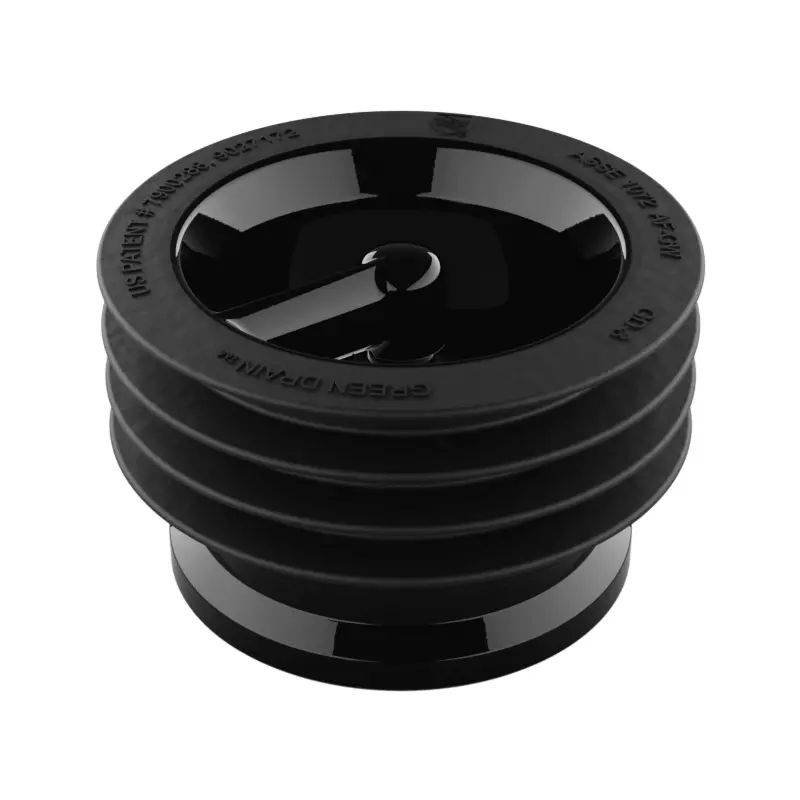
3" Waterless Trap Seal
Production floor drains, ingredient storage drains. SGS aerosol-retention tested model.
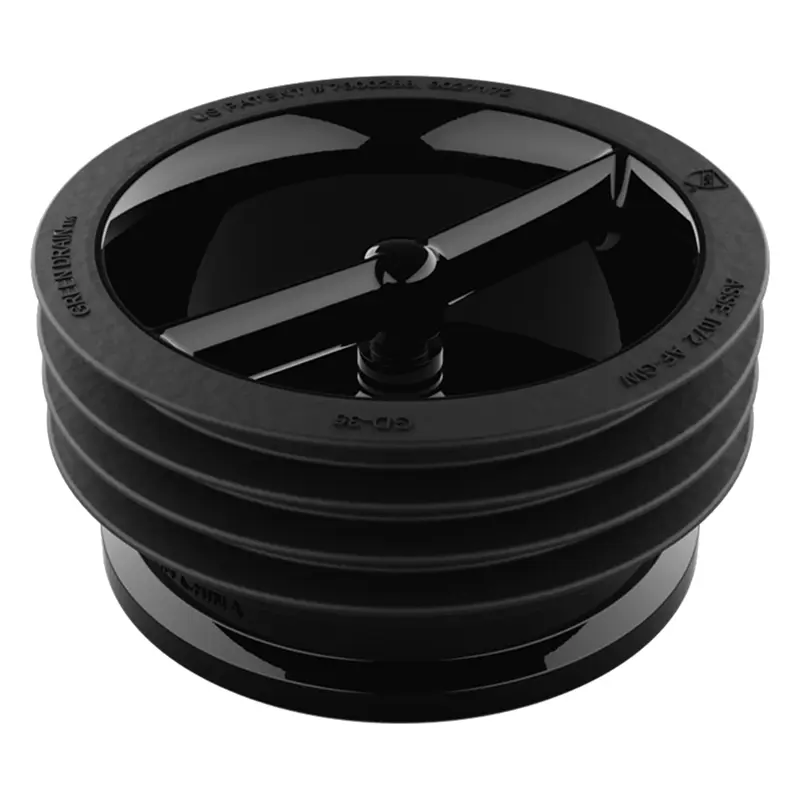
3.5" Waterless Trap Seal
Standard food service drains, prep area floor drains, smaller production drains
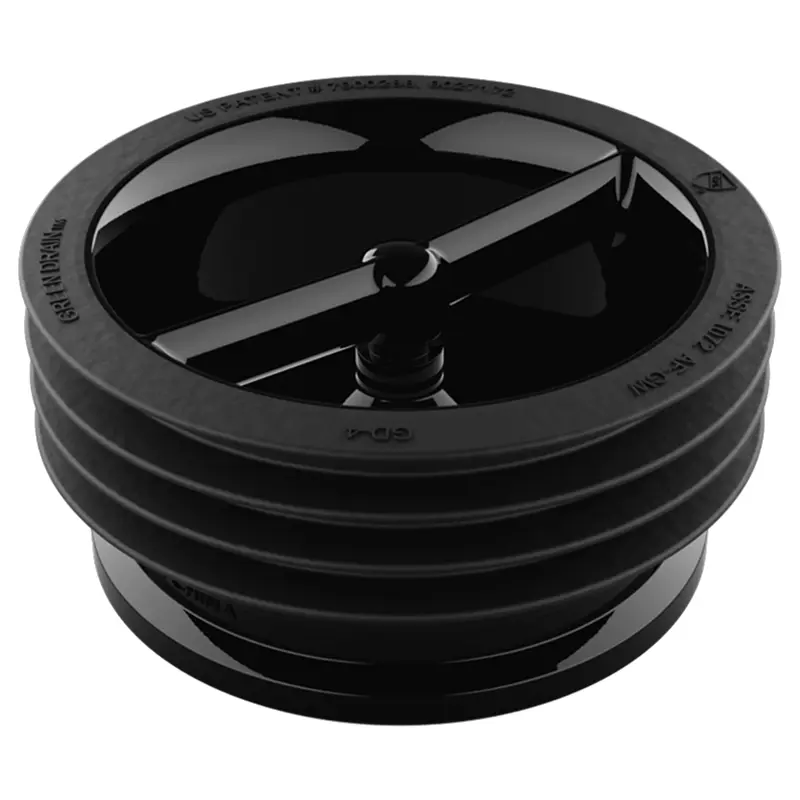
4" Waterless Trap Seal
Primary production drains, wash-down areas, packaging zone drains
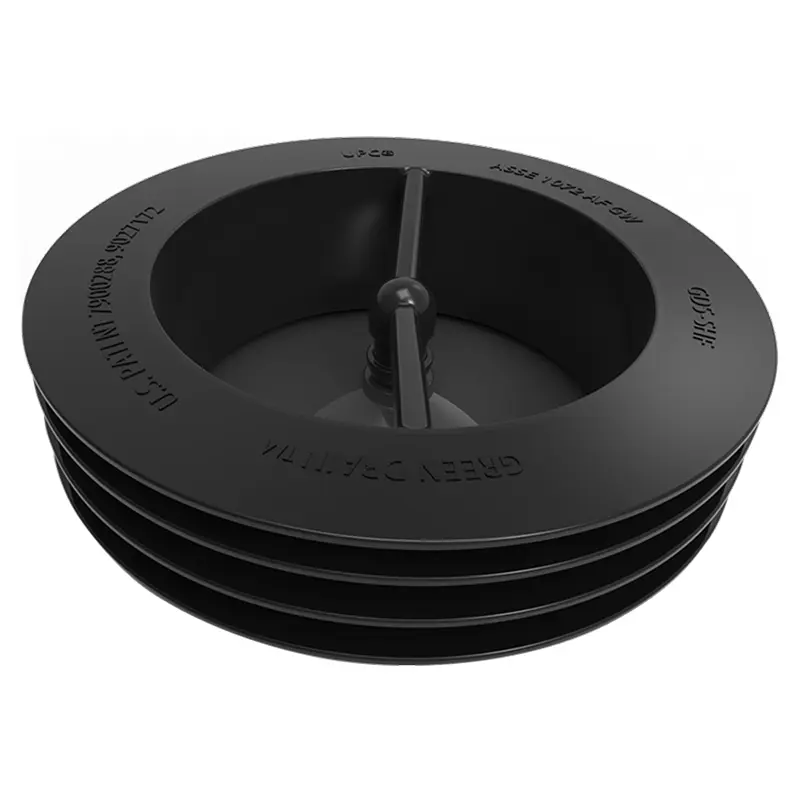
5" Waterless Trap Seal
Large production drains, CIP discharge drains, equipment wash-down areas
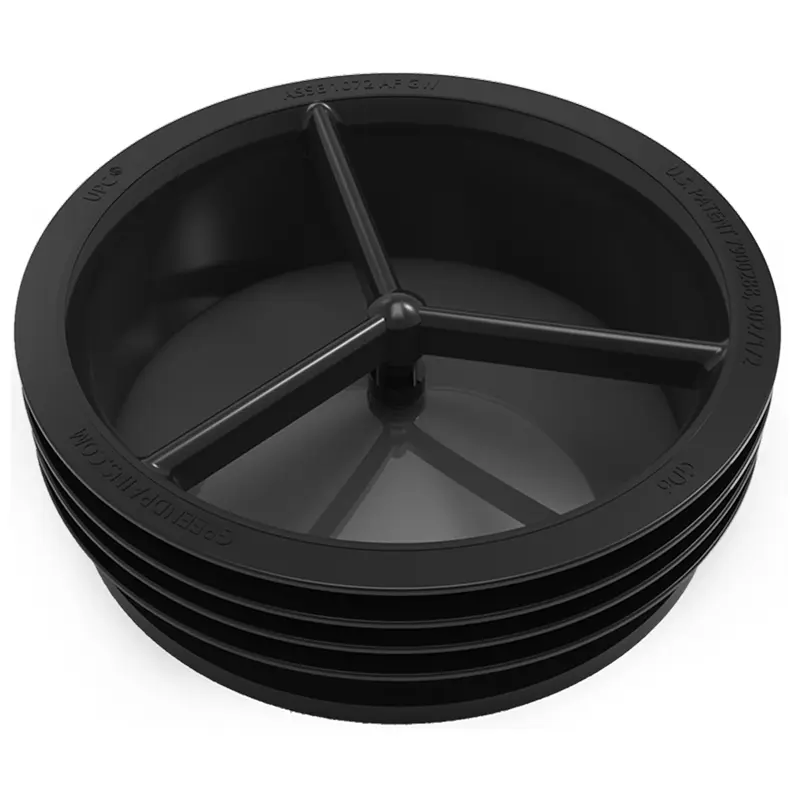
6" Waterless Trap Seal
Large trench drains, high-volume wash-down drains, shipping area drains
Food Manufacturing Drain Safety Brief
A concise summary of the drain-to-production contamination pathway, SGS aerosol-retention test results, HACCP International certification and food safety certification data, and specification language for food plant engineers. Share with your food safety team or include in your next HACCP meeting.
- SGS aerosol-retention test summary with key data points
- HACCP International certification and NSF/ANSI 2 certification details
- Audit preparation checklist for SQF, BRC, and FSMA
- Product sizing guide for food manufacturing facilities
Request a Copy
Want this for your facility? Talk to our team for the underlying data, certification results, and specification language.
Contact UsFrequently asked questions.
Can floor drains cause a food safety audit failure?
Yes. Unsealed or improperly maintained floor drains are a common finding in SQF, BRC, FSMA, and HACCP audits. Drains that emit odor, harbor pests, or lack documented maintenance programs are cited as environmental control deficiencies. An unsealed drain in a production zone can be flagged as a harborage point for Listeria, Salmonella, or other pathogens of concern. Green Drain eliminates these findings by providing a certified, low-maintenance mechanical seal.
Does Green Drain have HACCP certification for food manufacturing?
Yes. Green Drain carries HACCP International certification (Certificate RG-05), which confirms the product supports HACCP-based food safety programs. Green Drain also carries NSF/ANSI 2 certification for food equipment material safety. Both independent validations are recognized by SQF, BRC, and other GFSI-benchmarked food safety schemes. They provide documented evidence for your HACCP plan and audit preparation.
How does Green Drain reduce what moves up from floor drains?
Green Drain uses a one-way silicone valve that creates a mechanical seal inside the floor drain body. In SGS laboratory testing (Report QDF25-0049810-01), the device retained greater than 99.9% of an aerosolized MS2 bacteriophage, a validated viral surrogate. The valve blocks sewer gas and pests and restricts the upward movement of air and aerosols through the drain, while still allowing water to flow down normally during wash-down and sanitation processes.
What pathogens can enter a food plant through unsealed drains?
Unsealed floor drains can harbor and transmit Listeria monocytogenes, Salmonella species, E. coli, Pseudomonas, and other organisms that form biofilm within drain systems. These pathogens colonize the P-trap and pipe surfaces, migrate upward, and can aerosolize into production areas when the trap seal fails. Listeria, in particular, is known for its ability to persist in drain biofilm despite aggressive chemical sanitation protocols.
Can Green Drain handle the temperatures and chemicals in food plant wash-down?
Yes. Green Drain is rated for continuous operation from -40F to 212F (100C), covering everything from freezer environments to hot wash-down and CIP processes. The medical-grade silicone is resistant to common food-grade sanitizers, caustic cleaners, and acidic solutions used in food and beverage manufacturing sanitation programs. The valve maintains its structural integrity and seal performance after repeated chemical exposure.
Does Green Drain block pest intrusion from floor drains?
Yes. The silicone valve creates a physical barrier that prevents cockroaches, drain flies, and other pests from traveling up through the sewer system and into the production environment. Pest intrusion from drains is a common finding in third-party food safety audits and a known vector for cross-contamination. Multiple food industry customers have reported complete elimination of drain-related pest activity after installation.
What is the flow rate capacity of Green Drain for food plant wash-down?
The GD4 model is IAPMO tested at 73 gallons per minute (GPM) maximum flow rate. The silicone valve opens fully under water flow to handle production wash-down volumes, CIP discharge, and sanitation processes. When flow stops, the silicone skirt returns to its closed position under its own elastic memory and the seal is restored immediately. This flow capacity exceeds the requirements of most food manufacturing floor drain applications.
What is the cost of a food contamination event compared to sealing drains?
A single food contamination event involving a recall can cost millions of dollars in product destruction, regulatory penalties, legal liability, and brand damage. The FDA estimates that a food recall costs an average company $10 million in direct costs alone. Indirect costs, including lost customer relationships and reputational damage, can be many times higher. Sealing every floor drain in a food manufacturing facility with Green Drain is a fraction of that cost and addresses a documented contamination pathway.
Seal the drains. Pass the audit.
Every unsealed floor drain in a food manufacturing facility is an uncontrolled contamination pathway. Food safety programs that invest heavily in sanitation, environmental monitoring, and pest control while ignoring the open pipes in the floor have a documented blind spot.
Green Drain does not replace your existing sanitation program. It closes a gap that chemical treatments, manual flushing, and trap primers cannot reliably address. The device works with your existing plumbing infrastructure. It supplements your existing P-traps with a mechanical seal that never fails due to evaporation.
The cost of a single contamination event, recall, or audit failure far exceeds the cost of sealing every drain in the facility. The risk is documented. The certifications are in place. The solution is in the drain.
Ready to close the drain contamination pathway?
Request a sample, get a facility-wide quote, or talk to a food safety specialist.