When parents call about the smell, it's already too late.
Every summer, school floor drains lose their water seal. By the time staff return in August, dry P-traps have turned every drain into an open pipe to the sewer. The result: odor complaints, pest infestations, and thousands spent on chemical treatments that do not last. Green Drain seals the drain mechanically, no water required, no chemicals needed. Install it as part of your summer preventive maintenance program, and drains are covered through every break, every closure, every season.
Who this page is for.
Whether you manage maintenance for a single campus or oversee facilities across an entire district, this page explains why school drains fail, what traditional treatments are costing you, and how a mechanical solution eliminates the problem permanently.
Facility Directors
You are responsible for building conditions across multiple campuses. You need a solution that scales district-wide, requires no specialized labor, and eliminates recurring odor and pest complaints without ongoing chemical purchases.
Maintenance Managers
You deal with the drain complaints firsthand. You need something your team can install quickly, that works through summer break and holiday closures, and that does not require recurring service visits or chemical inventory management.
Superintendents
Parent complaints about building odors and pest sightings reach your desk. You need a permanent fix that protects the learning environment, meets compliance requirements, and represents responsible use of district maintenance budgets.
Custodial Supervisors
Your teams are the first to notice drain odors and pests. You need a product that is simple to install, does not interfere with daily cleaning routines, and keeps drains sealed between custodial visits.
The summer break problem no one budgets for.
Every school building has floor drains. Restrooms, locker rooms, shower areas, kitchens, custodial closets, mechanical rooms. Each one relies on a P-trap, a U-shaped section of pipe that holds water to block sewer gas from entering the building. When water sits in the trap, it creates a seal. When the water evaporates, the seal is gone.
During the school year, regular water flow from cleaning and daily use keeps most traps charged. But summer break changes everything. For 8 to 12 weeks, buildings sit empty. No one is running water down the drains. The P-trap water evaporates, typically within 2 to 3 weeks. For the remaining 6 to 10 weeks of summer, every dry drain is an open pipe connecting classrooms and hallways directly to the sewer system.
Drain Evaporation Timeline
Week-by-week P-trap water loss
during 8-12 week summer closure
~760 x 400px
What comes through an unsealed school drain?
The immediate symptom is odor. Hydrogen sulfide and other sewer gases enter hallways, restrooms, and classrooms. Staff returning for pre-service days notice it immediately. Parents dropping off students on the first day notice it too. By that point, the building has been venting sewer gas for weeks.
But odor is not the only concern. Dry drains are entry points for drain flies, fruit flies, mosquitoes, cockroaches, and other pests that breed in sewer systems. These pests travel up through the open drain pipe and into occupied spaces. In a school environment, pest sightings generate parent complaints, health department attention, and reputational risk that no district wants to manage.
The chemical treatment cycle
Most school districts respond to drain odor and pest problems with chemical treatments. Drain deodorizers, enzyme cleaners, bleach solutions, and pest control sprays. These products provide temporary relief, sometimes for days, sometimes for hours. Then the problem returns because the root cause has not been addressed: the P-trap is still dry and the drain is still open.
Districts can spend thousands of dollars annually on recurring chemical treatments across multiple campuses. The products need to be purchased, stored, inventoried, and applied by staff. Some require safety data sheets and handling precautions. And critically, there are no registered pesticides specifically approved for drain fly control. The chemicals being used are not solving the problem. They are masking it temporarily while the invoices accumulate.
The Proposition 65 concern for California schools
California school districts face an additional layer of scrutiny. Proposition 65 requires businesses (including school districts) to provide clear warnings before exposing individuals to chemicals known to cause cancer, birth defects, or reproductive harm. Many chemical drain treatments contain ingredients that trigger Prop 65 requirements. Using these products in school buildings creates compliance risk and documentation burden that districts can avoid entirely with a mechanical, chemical-free solution.
It is not just summer break
Summer is the longest closure, but it is not the only one. Winter break (2 to 3 weeks), spring break (1 to 2 weeks), and long weekends can all contribute to trap seal loss. Drains in low-traffic areas like seldom-used restrooms, storage rooms, and mechanical spaces may lose their seal even during the school year. The problem is ongoing, not seasonal.
Why traditional approaches fall short.
Chemical Drain Treatments
Enzyme cleaners, deodorizers, and bleach solutions provide temporary odor suppression but do not seal the drain. The P-trap is still dry. Sewer gas and pests continue to enter. Districts spend thousands per year on products that need to be reapplied after every break, every long weekend, and every low-use period. Many of these chemicals raise Proposition 65 compliance concerns in California schools.
Pest Control Sprays
There are no registered pesticides specifically approved for drain fly control. Pest control companies treat the symptoms (visible flies and insects) but cannot seal the entry point. As long as the drain is open, pests will continue to enter the building. Recurring pest control visits add cost without addressing the root cause.
Manual Flushing
Some districts assign custodial staff to pour water down drains on a schedule to keep P-traps charged. This works only when staff remember, when the schedule is maintained, and when every drain in every building is included. During summer break with reduced staffing, flushing schedules break down. The traps dry out and the problem returns.
How Green Drain solves it.
A one-way silicone valve that drops into the existing floor drain body. Water flows down normally during cleaning and daily use. The valve physically blocks sewer gas, odors, and pests from traveling back up through the drain. No water required to maintain the seal. No chemicals. Minimal maintenance. It is the kind of preventive maintenance investment that pays for itself by eliminating the reactive cycle of odor complaints, pest treatments, and emergency service calls.
Green Drain valve in drain body
Open (water flowing) vs. Closed (sealed)
~900 x 360px
Seal through every break
The silicone valve maintains a physical seal around the clock, regardless of whether the drain receives water. Summer break, winter break, spring break, long weekends. The seal never evaporates because it is not made of water. The drain stays closed until water needs to flow through it.
Zero chemicals needed
Eliminates the need for drain deodorizers, enzyme treatments, bleach solutions, and pest control sprays. No Proposition 65 concerns. No safety data sheets for drain products. No chemical inventory to manage. The seal is mechanical, not chemical.
Installation per drain
Remove the grate, drop the device into the drain body, press to seat the gasket, replace the grate. No tools. No plumber. Your existing maintenance team can outfit an entire school building in a single day. District-wide deployment takes days, not months.
Pest barrier
The valve physically blocks drain flies, fruit flies, mosquitoes, cockroaches, and other pests from entering through floor drains. No registered pesticides needed. No recurring pest control visits for drain-source infestations. The barrier is always in place.
Application areas in K-12 schools.
Green Drain fits standard floor drain sizes found in school construction. The following areas represent the most common locations where drain odor and pest problems occur.
Restrooms
Student and staff restroom floor drains are the most common source of odor complaints. During breaks and low-use periods, these traps dry out quickly. Multiple restrooms across a campus means dozens of potential odor sources.
Locker Rooms and Showers
Gym locker rooms and shower areas have large floor drains that collect water during the school year. During summer and off-season, these drains dry out and become major odor and pest entry points. Shower drains are especially prone to rapid evaporation.
School Kitchens and Cafeterias
Kitchen floor drains handle wash-down water during the school year. During breaks, they sit idle. The combination of food residue in the drain line and an open trap creates both odor and pest attraction. Green Drain's NSF certification supports food safety compliance in these areas.
Custodial Closets
Mop sink and floor drains in custodial rooms are often in small, enclosed spaces where sewer gas concentrations build up quickly. These drains are among the first to dry out during breaks because custodial staff are not present to run water.
Mechanical and Boiler Rooms
Utility spaces have floor drains for condensate and equipment drainage. These low-traffic areas lose their trap seal quickly and can vent sewer gas into HVAC systems that serve the rest of the building.
Science Labs and Art Rooms
Specialty classrooms with floor drains are often used intermittently. A science lab drain that only receives water during certain experiments may lose its trap seal between uses, even during the school year.
Maintenance worker installing
Green Drain in school restroom drain
~580 x 380px
Completed installation, grate back on,
clean school floor environment
~580 x 380px
What school districts are saying.
"Four months have gone by and I have yet to have a single complaint or concern since the Green Drains were installed. We are very thankful to have remedied this long-lasting issue."
"Your drains are less expensive and last longer than the other brand. One of the benefits is no more blue solution and they are so easy to install."
Certifications that matter for schools.
Green Drain carries the certifications that school district procurement and facilities teams need for specification and purchasing confidence.

cUPC / ASSE 1072-2020
Plumbing code certification (IAPMO File 9301) confirming Green Drain meets barrier-type floor drain trap seal protection device requirements. IAPMO tested: 32g opening force, 276 L/min max flow (GD4), 2,500+ cycle life, >96% evaporation reduction. Required for code compliance in most U.S. and Canadian jurisdictions.
NSF/ANSI 2
Material safety certification for food-contact environments. Relevant for school kitchen and cafeteria floor drains where food safety standards apply.

California Proposition 65 Compliant
Green Drain products are made from FDA-grade silicone and contain no chemicals of concern under California Proposition 65. This is critical for California school districts that must meet strict Prop 65 requirements for all products used in educational facilities.
Compliance and regulatory context.
Understanding where Green Drain fits within school construction codes and regulatory requirements helps facility directors incorporate drain sealing into district maintenance programs and capital improvement plans.
ASSE 1072-2020: Barrier-Type Floor Drain Trap Seal Protection Devices
The ASSE standard that defines performance requirements for waterless trap seal devices. Green Drain is tested and listed under this standard. When specifying for new school construction or renovation, reference ASSE 1072-2020 as the performance standard.
California Proposition 65 (Safe Drinking Water and Toxic Enforcement Act)
Prop 65 requires warnings before exposing individuals to listed chemicals. Many chemical drain treatments contain ingredients that trigger Prop 65 requirements. Green Drain eliminates the need for chemical drain products in schools, removing this compliance concern entirely.
Integrated Pest Management (IPM) for Schools
Many states require or encourage IPM programs in schools, which prioritize non-chemical pest management methods. Green Drain's mechanical pest exclusion aligns directly with IPM principles by blocking pest entry at the source without pesticides or chemicals.
Uniform Plumbing Code (UPC) and International Plumbing Code (IPC)
Both major U.S. plumbing codes recognize barrier-type trap seal protection devices as an accepted method for maintaining floor drain trap seal integrity. Green Drain's cUPC listing ensures code compliance in jurisdictions that adopt either code.
Recommended products for K-12 schools.
School floor drains typically range from 2" to 4" pipe diameter. All Green Drain models share the same silicone valve design and certification portfolio. The right size depends on the drain location and existing pipe diameter.
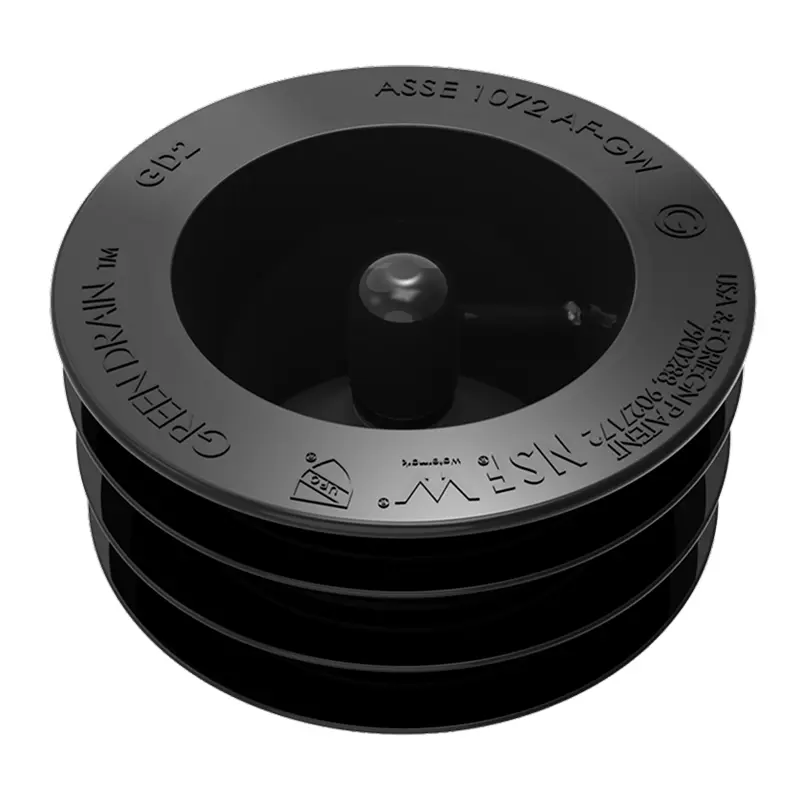
2" Waterless Trap Seal
Restroom floor drains, shower drains, custodial closet drains, science lab drains
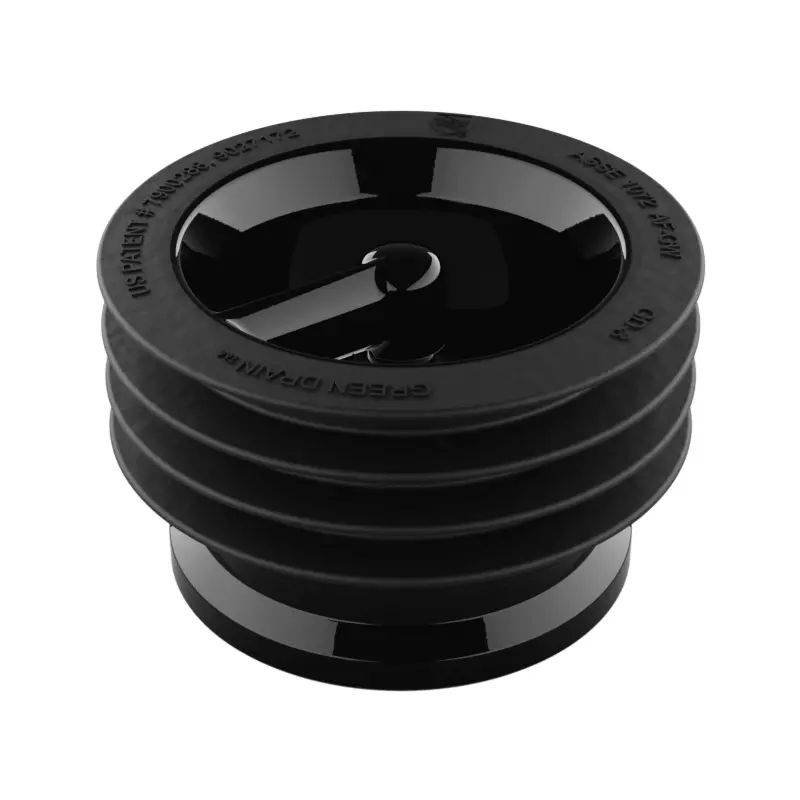
3" Waterless Trap Seal
Locker room drains, kitchen drains, corridor drains, utility room drains
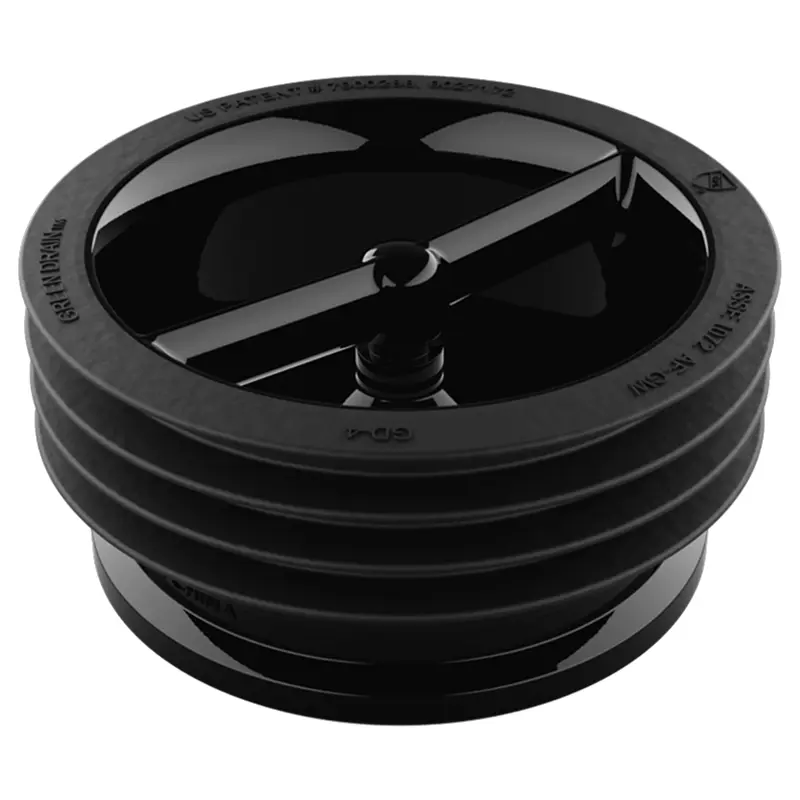
4" Waterless Trap Seal
Kitchen drains, mechanical room drains, large floor drains, boiler room drains
K-12 Drain Maintenance Guide
A practical guide for school district facility teams covering the science behind drain odor and pests, the cost of chemical treatment cycles, Prop 65 considerations, and a step-by-step plan for district-wide Green Drain deployment.
- Summer break drain maintenance checklist
- Chemical treatment cost comparison worksheet
- Prop 65 compliance considerations for drain products
- Product sizing guide for school facilities
Request a Copy
Want this for your facility? Talk to our team for the underlying data, certification results, and specification language.
Contact UsFrequently asked questions.
Why do school floor drains smell bad after summer break?
Every floor drain has a P-trap, a U-shaped pipe that holds water to block sewer gas. During summer break (8 to 12 weeks with no water flow), that water evaporates completely. Once the trap is dry, there is nothing stopping sewer gas, odors, and pests from entering the building through the open drain. Green Drain provides a mechanical seal that works independently of water, so the drain stays sealed through every break and closure period.
How long does it take for a school drain P-trap to dry out?
In most school environments, a P-trap can dry out in 2 to 3 weeks without water flow. Summer break typically lasts 8 to 12 weeks, meaning traps have been dry for months by the time staff return in August. Winter and spring breaks can also cause partial or complete evaporation depending on building conditions and humidity levels.
Are chemical drain treatments safe for use in schools?
Chemical drain treatments raise significant concerns in school environments. Many contain ingredients that are not compliant with California Proposition 65 requirements. Additionally, there are no registered pesticides specifically approved for drain fly control. Green Drain provides a chemical-free, mechanical solution that eliminates the need for recurring chemical treatments in school buildings.
Is Green Drain compliant with California Proposition 65?
Yes. Green Drain products are California Proposition 65 compliant. The devices are made from FDA-grade silicone and contain no chemicals of concern. This is particularly important for California school districts that must meet strict Prop 65 requirements for products used in educational facilities.
How many drains does a typical school have?
A typical K-12 school building has floor drains in restrooms, locker rooms, shower areas, kitchens, custodial closets, mechanical rooms, and sometimes hallways. The exact count varies by building size and age, but most schools have dozens of floor drains. A district-wide rollout across multiple campuses can involve hundreds of drains. Green Drain offers volume pricing for district-scale projects.
How long does it take to install Green Drain in a school?
Installation takes approximately 30 seconds per drain. Remove the grate, drop the device into the drain body, press to seat the silicone gasket, and replace the grate. No tools required. No plumber needed. A maintenance team can outfit an entire school building in a single day without disrupting any occupied spaces.
Does Green Drain block drain flies and other pests?
Yes. The one-way silicone valve creates a physical barrier that prevents drain flies, fruit flies, mosquitoes, cockroaches, and other pests from entering the building through floor drains. Unlike chemical treatments (which must be reapplied and have no registered pesticide for drain flies), Green Drain provides continuous pest exclusion with zero chemicals.
Can Green Drain be installed district-wide across multiple schools?
Yes. Green Drain is designed for large-scale deployment. The devices are available in 2-inch, 3-inch, and 4-inch sizes to fit standard school floor drains. District facility teams can install them without specialized training or tools. Several school districts have completed district-wide installations and reported zero odor complaints after deployment.
Seal the drains. Solve the problem.
Every dry floor drain in a school building is an open pipe to the sewer. Chemical treatments mask the symptom. Manual flushing requires perfect compliance. Neither one addresses the root cause.
Green Drain does not replace your existing plumbing. It works with your P-traps by adding a mechanical seal that never evaporates. Install it once. The drain stays sealed through summer break, winter break, spring break, and every long weekend in between.
No more odor complaints from parents. No more pest sightings in classrooms. No more thousands spent on chemicals that do not last. The solution is simple, the installation takes seconds, and the results speak for themselves.
Ready to eliminate drain odor and pests across your district?
Request a sample, get a district-wide quote, or talk to a school facilities specialist.