That smell coming from your basement floor drain has a simple fix.
Sewer gas, radon, and pests enter your home through dried-out floor drains. Green Drain is a waterless trap seal that installs in 30 seconds, requires no plumber, and works with your existing plumbing to keep those gases where they belong.
Who this page is for.
Whether you are dealing with a smelly basement drain, preparing a vacation home for the off-season, or recommending solutions to clients, this page explains why floor drains smell, what risks they pose, and how to fix the problem permanently.
Homeowners
You have a floor drain in your basement, laundry room, or garage that smells like rotten eggs or sewage. You want a permanent fix that does not require ongoing maintenance or remembering to pour water down the drain every few weeks.
Landlords and Property Owners
You manage one or more rental properties and need a reliable solution for drain odor complaints from tenants. You need something that works without tenant participation and requires no scheduled service visits.
Home Inspectors
You identify dry P-traps and sewer gas odor during inspections. Green Drain is a certified, code-compliant device you can recommend to clients as a permanent solution rather than the standard advice to pour water down the drain periodically.
Plumbers
Your residential customers call about drain odor. Green Drain is cUPC listed and ASSE 1072-2020 compliant, giving you a certified product to recommend or install. It works with the existing P-trap and drain body with no modifications required.
What is actually coming up through your floor drain.
Every floor drain in your home connects to the sewer system. The only thing preventing sewer gas from flowing freely into your living space is a small U-shaped pipe called a P-trap. The P-trap holds a few inches of water that acts as a seal between your home and the sewer line below.
That water evaporates. In basements with low humidity, heated spaces, or drains that rarely receive water, the P-trap can lose its seal in as little as 2 to 3 weeks. When the water is gone, the drain becomes an open pipe connected directly to the sewer system. What comes through is a mixture of gases that you do not want in your home.
Enters Through Floor Drains
Cross-section showing P-trap with water
vs. dried-out P-trap allowing gas entry
~760 x 400px
Sewer gas is more than just a bad smell
The rotten-egg odor is hydrogen sulfide (H2S), just one component of sewer gas. A dried-out drain also allows methane and ammonia into your home. At low concentrations, these gases cause headaches, nausea, and irritation. At higher concentrations, hydrogen sulfide can cause serious health effects. Methane is flammable. These are not nuisance odors. They are indicators that your home has a direct, open connection to the sewer system.
Radon: the invisible risk in your floor drain
Radon is a naturally occurring radioactive gas that seeps up through soil and into buildings through cracks, gaps, and openings in the foundation. Floor drains with dry P-traps are a documented entry point. The EPA estimates that radon causes approximately 21,800 lung cancer deaths per year in the United States, making it the second leading cause of lung cancer after smoking. About 1 in 15 U.S. homes has radon levels at or above the EPA action level of 4 pCi/L.
Radon mitigation systems address the primary entry points (foundation cracks, sump pits), but unsealed floor drains can undermine those efforts. If you have invested in radon mitigation, sealing your floor drains is a logical next step to close remaining pathways.
Pests use dried-out drains too
Insects, drain flies, and in some cases rodents can enter a home through floor drains that have lost their P-trap seal. If you are seeing small flies near basement drains, or finding insects in areas near floor drains, a dried-out P-trap may be the entry point. Green Drain's silicone valve creates a physical barrier that blocks pest entry while still allowing water to flow through normally. For recurring small-fly problems from drains, sealing the drain is what breaks the cycle.
Why vacation homes and seasonal properties are especially vulnerable
If you own a cabin, lake house, or any property that sits unoccupied for weeks or months at a time, every floor drain in the building is losing its P-trap water seal while you are away. By the time you return, the drains have been open to the sewer system for the entire period. The smell that greets you when you walk in is sewer gas that has been accumulating in the space. Green Drain solves this by providing a seal that works independently of water. Install it once, and the drain stays sealed whether the home is occupied or not.
Why the usual advice falls short.
Pouring Water Down the Drain
This is the most common advice you will find online, and it works temporarily. It refills the P-trap, restoring the water seal. But the water starts evaporating immediately. In 2 to 3 weeks under warm, dry conditions, the seal is gone again. This approach requires you to remember to do it consistently, which is impractical for basements you rarely visit, rental properties, or vacation homes that sit empty for months.
Mineral Oil or RV Antifreeze
Some homeowners pour a thin layer of mineral oil or RV antifreeze on top of the P-trap water to slow evaporation. This can extend the seal life somewhat, but it does not prevent evaporation entirely. It also needs to be reapplied after any water flows through the drain. It is a workaround, not a solution, and it does nothing to block pests or provide a physical barrier.
Covering or Plugging the Drain
Taping over a drain or stuffing a rag into it blocks gas but also blocks water. If the drain needs to function (and floor drains exist for a reason, to handle water heater discharge, washing machine overflow, or basement flooding), a blocked drain creates a bigger problem than a smelly one. You need a solution that seals gas out while still allowing water through.
How Green Drain solves it.
A one-way silicone valve that drops into your existing floor drain. Water flows down normally. The valve physically blocks sewer gas, radon, and pests from coming back up. No water required to maintain the seal. No power. Minimal maintenance. It works with your existing P-trap, not instead of it.
Green Drain valve in residential drain body
Open (water flowing) vs. Closed (sealed)
~900 x 360px
Continuous seal, no water needed
The silicone valve maintains a physical seal around the clock. Nothing evaporates. Whether your basement drain gets used daily or sits dry for six months, the barrier stays in place. No need to remember to pour water down the drain before leaving for vacation.
DIY install, no plumber needed
Remove the drain grate, drop the Green Drain into the drain opening, press down to seat the silicone gasket, and replace the grate. No tools. No cutting, gluing, or plumbing modifications. The device works with your existing drain body and P-trap.
Evaporation reduction
ASSE 1072-2020 testing confirmed that Green Drain reduces trap seal evaporation by more than 96%. Even if your P-trap still has some water in it, the device dramatically extends the time before a seal would fail. The mechanical seal provides protection regardless of water level.
Low maintenance
No batteries, no moving parts to replace, no refills, no scheduled service. Green Drain is made from medical-grade silicone engineered for long-term use. ASSE 1072-2020 testing confirmed performance beyond 2,500 open/close cycles. Install it and forget about it.
Where homeowners use Green Drain.
If your home has a floor drain, it has a P-trap that can dry out. These are the most common residential locations where Green Drain solves odor, gas, and pest problems.
Basement Floor Drains
The most common source of sewer gas odor in homes. Basement floor drains often go months without receiving water, allowing the P-trap to dry out completely. This is also a primary radon entry point in homes with elevated radon levels.
Laundry Room Drains
Floor drains in laundry rooms may receive washing machine discharge regularly, but many are positioned away from the machine and rarely get water. Between loads, the trap can dry out in heated or air-conditioned spaces.
Garage Floor Drains
Garage drains are often forgotten entirely. They receive water only during heavy rain, car washing, or occasional cleaning. In heated garages, the P-trap dries out quickly. The resulting sewer gas odor is often mistaken for other garage smells.
Vacation and Seasonal Homes
Every floor drain in an unoccupied home is losing its P-trap water seal. Install Green Drain in every drain before closing the property for the season. When you return, the home will be free of sewer gas odor, and the drains will still function normally.
Bathroom Floor and Shower Drains
Guest bathrooms, basement bathrooms, and showers in rarely used parts of the home are prone to P-trap evaporation. If you notice a sewer smell coming from a bathroom you do not use often, the floor drain or shower drain is the likely source.
Rental Properties
Tenants should not have to manage drain maintenance. Install Green Drain in basement and utility area floor drains to eliminate odor complaints, reduce maintenance calls, and protect the property between tenants when drains may go unused for extended periods.
Homeowner dropping Green Drain
into basement floor drain, no tools
~580 x 380px
Completed installation, grate back on,
clean basement floor environment
~580 x 380px
Certifications that matter for your home.
Green Drain is not a hardware store gimmick. It is a certified plumbing device that meets the same standards required in commercial and institutional construction. These certifications are why plumbers and home inspectors recommend it.

cUPC / ASSE 1072-2020
Plumbing code certification (IAPMO File 9301) confirming Green Drain meets the performance standard for barrier-type floor drain trap seal protection devices. IAPMO tested: 32g opening force, 276 L/min max flow (GD4), 2,500+ cycle life, greater than 96% evaporation reduction. This is the certification that plumbers and inspectors look for. All Green Drain models carry this listing.

California Proposition 65 Compliant
All Green Drain models are California Proposition 65 compliant, meaning they do not contain chemicals known to the State of California to cause cancer, birth defects, or reproductive harm at levels requiring a warning. This is especially relevant for homeowners in California, but it speaks to the material quality of the product regardless of where you live.
ASSE 1072-2020 Performance Standard
This is the ASSE standard that defines what a waterless trap seal device must do: block gas passage, allow water flow, resist evaporation, and endure repeated use. Green Drain is tested and listed under this standard. When a plumber or inspector asks if the device is "code compliant," this is the standard they are referencing.
Recommended products for homes.
Most residential basement floor drains are 2 inches in diameter (GD2). Older homes and some utility drains may be 3 inches (GD3). Shower drains are typically 1.25 or 1.5 inches. Measure the inside diameter of the drain body, not the grate, to find your size.
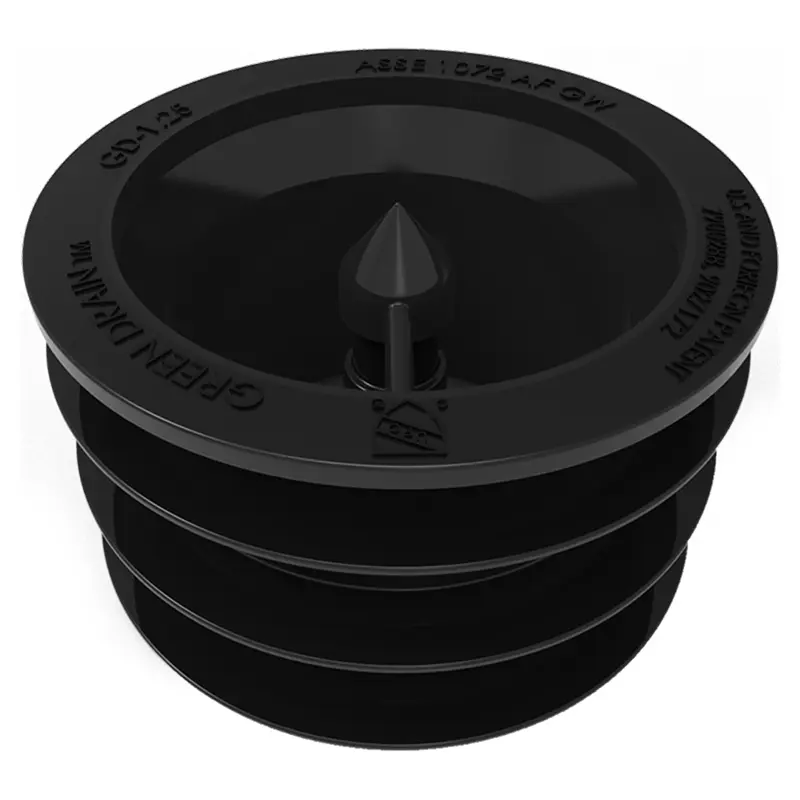
1.25" Waterless Trap Seal
Small shower drains, condensate drains, older fixture drains
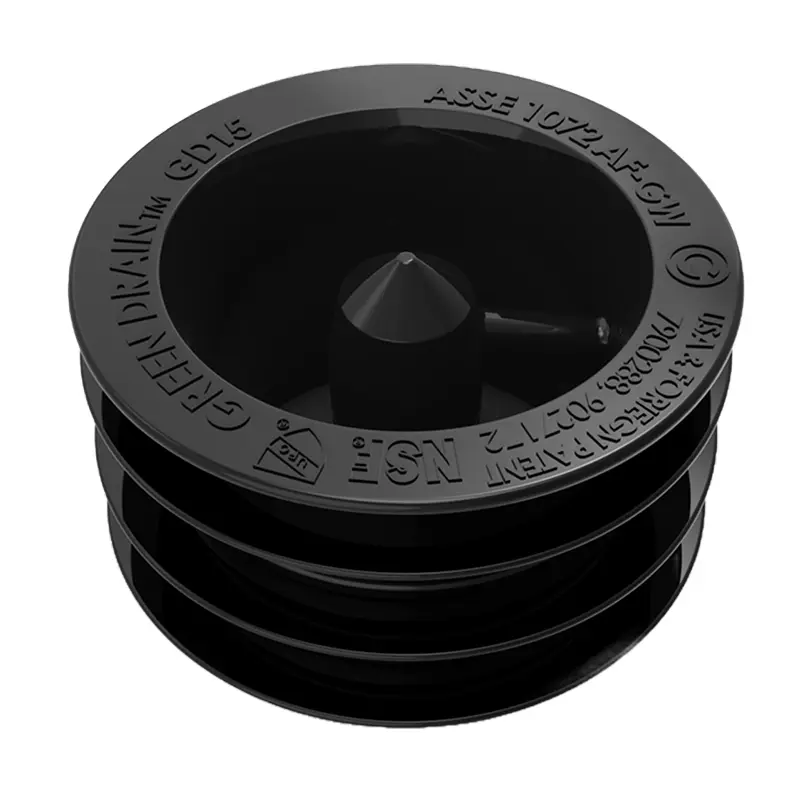
1.5" Waterless Trap Seal
Standard shower drains, bathroom floor drains, tub drains
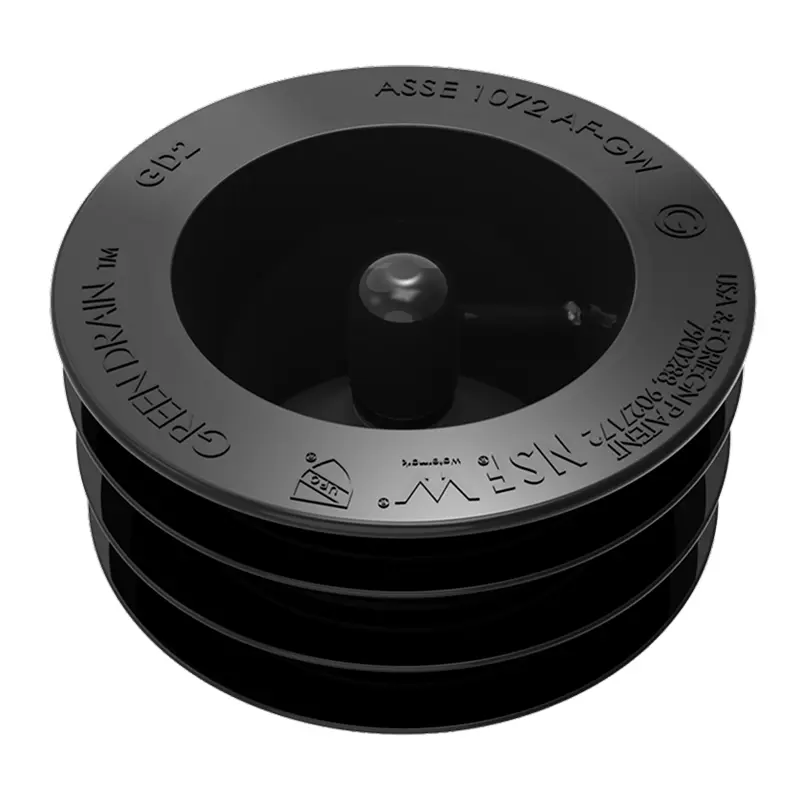
2" Waterless Trap Seal
Most common residential size. Basement floor drains, laundry room drains, garage drains.
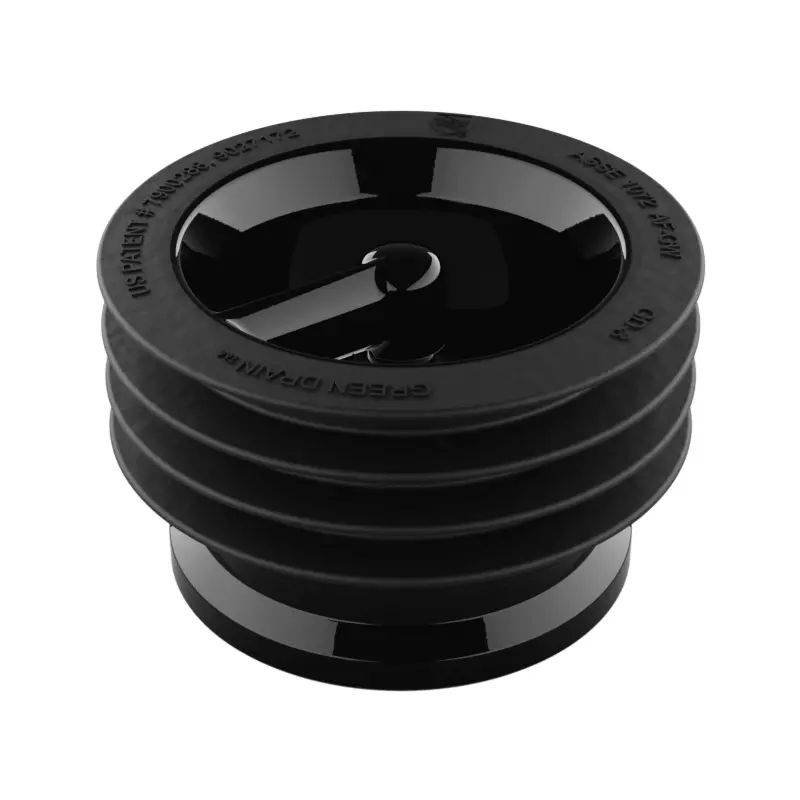
3" Waterless Trap Seal
Older homes with larger drain pipes, utility area drains, some laundry drains
Home Drain Safety Guide
A simple guide to understanding why floor drains smell, what sewer gas and radon mean for your family's health, and how to fix the problem in every drain in your home. Written for homeowners, not plumbers.
- How to identify and measure your floor drains
- Sewer gas and radon risk explained in plain language
- Room-by-room drain checklist for your home
- Product sizing guide with photos
Request a Copy
Want this for your facility? Talk to our team for the underlying data, certification results, and specification language.
Contact UsFrequently asked questions.
Why does my basement floor drain smell like sewer gas?
Your basement floor drain connects to the sewer system through a P-trap, a U-shaped pipe that holds water to block sewer gas from entering your home. When that water evaporates (which can happen in as little as 2 to 3 weeks in warm, dry conditions), the seal is lost and gases like hydrogen sulfide, methane, and ammonia flow freely into your basement. This is especially common in basements, laundry rooms, and garages where drains see little regular use.
Can radon gas enter my home through floor drains?
Yes. Floor drains with dry or compromised P-traps are a documented entry point for radon gas. The EPA estimates that radon causes approximately 21,800 lung cancer deaths per year in the United States, making it the second leading cause of lung cancer after smoking. About 1 in 15 U.S. homes has radon levels at or above the EPA action level of 4 pCi/L. Sealing floor drains with a device like Green Drain is one component of a comprehensive radon reduction strategy, though it should not replace a dedicated radon mitigation system if your home tests above the action level.
How do I protect drains in a vacation home or seasonal property?
Install Green Drain in every floor drain before you leave the property for the season. The device provides a mechanical seal that works whether or not water is present in the P-trap. Your drains stay sealed throughout the off-season without anyone needing to visit the property to pour water down the drains. When you return, the home will be free of sewer gas odor, and the drains will still function normally when water flows through them.
How do I measure my floor drain to find the right size?
Remove the drain grate and measure the inside diameter of the drain body (the pipe opening), not the grate itself. Most residential basement floor drains are 2 inches in diameter, which fits the GD2 model. Older homes may have 3-inch drains (GD3). Shower drains are often 1.5 inches (GD15) or 1.25 inches (GD125). If you are unsure, take a photo of the drain with a ruler or tape measure next to it and contact Green Drain for help identifying the correct size.
How long does a Green Drain last?
Green Drain is made from medical-grade silicone and is engineered for long-term use. ASSE 1072-2020 testing confirmed performance beyond 2,500 open/close cycles. The device is engineered for durability and is easy to inspect and replace when needed. There are no moving parts to wear out, no batteries, and no mechanical components that degrade over time.
Does Green Drain restrict water flow through the drain?
No. The silicone valve opens under the weight of water and allows normal drainage. IAPMO testing confirmed flow rates up to 276 L/min (GD4) with an opening force of just 32 grams. Water from washing machines, water heaters, or floor cleaning flows through the device without restriction. When the water stops, the valve closes and reseals automatically.
Do I need a plumber to install Green Drain?
No. Green Drain installs in about 30 seconds with no tools required. Remove the drain grate, drop the device into the drain opening, press down to seat the silicone gasket, and replace the grate. It works with your existing P-trap and drain body. No cutting, gluing, or plumbing modifications of any kind. It is a true DIY installation that anyone can do.
Why is Green Drain better than just pouring water down the drain regularly?
Pouring water down the drain refills the P-trap temporarily, but the water begins evaporating immediately. In warm, dry conditions, the seal can be lost again within 2 to 3 weeks. This approach requires you to remember to do it consistently, which is impractical for vacation homes, rental properties, or drains in areas you rarely visit. Green Drain provides a permanent mechanical seal that works whether or not water is present in the trap. It supplements your existing P-trap with a physical barrier rather than replacing it.
Seal the drains. Solve the problem.
Every floor drain in your home is connected to the sewer system. The only thing standing between your living space and that system is a few inches of water that is constantly evaporating. That is the entire problem.
Green Drain does not replace your P-trap. It works with it. The device adds a permanent mechanical seal that functions whether or not the P-trap water is present. Sewer gas, radon, and pests are blocked around the clock. Water still flows through normally. Nothing to remember. Nothing to maintain.
If you can remove a drain grate and drop a device into the opening, you can fix every drain in your home in an afternoon. No plumber. No special tools. Just a certified, code-compliant solution that professionals recommend and homeowners install themselves.
Ready to fix that drain smell for good?
Find your drain size, pick the right product, and install it in 30 seconds.