Tenant complaints about drains never come once.
The first complaint is about the smell. The second is about bugs. The third comes with a threat to break the lease. Floor drains in apartment buildings dry out constantly, and every dry drain is an open pathway for sewer gas and pests. Green Drain seals every drain with a mechanical barrier that never evaporates, ending the complaint cycle for good. It is the preventive maintenance upgrade that eliminates an entire category of work orders across your portfolio.
Who this page is for.
Whether you manage a single apartment complex or a portfolio of thousands of units, this page provides the operational data, product details, and deployment context you need to evaluate waterless trap seals for your properties.
Property Management Companies
You manage portfolios of residential and mixed-use properties. You need a drain solution that reduces maintenance work orders, eliminates recurring tenant complaints, and scales predictably across your entire portfolio without adding operational complexity.
Multi-Family Housing Managers
You handle day-to-day operations for apartment buildings and complexes. Drain odor and pest complaints generate work orders that consume maintenance staff time. You need a permanent fix, not a temporary treatment that requires repeat visits.
Apartment Operators
You are responsible for tenant satisfaction, unit turnover, and leasing. Drain issues in vacant units create negative impressions during showings. Drain complaints from occupied units drive dissatisfaction and turnover. You need a solution that protects both vacant and occupied units.
HOA Managers
You manage common areas and shared infrastructure in condominium and townhome communities. Drain issues in laundry rooms, fitness centers, parking garages, and pool areas generate complaints from owners and residents. You need a code-compliant, low-maintenance solution.
The drain complaint cycle in apartment buildings.
Every property manager knows the pattern. A tenant submits a work order about a bad smell in their bathroom or kitchen. Maintenance visits the unit, pours water down the floor drain, and the smell goes away. Two weeks later, the same tenant submits the same complaint. The drain dried out again. The cycle repeats until someone decides to try enzyme treatments, chemical deodorizers, or pest control. None of these address the root cause: the P-trap water evaporated and the drain is now an open pipe to the sewer.
This problem multiplies across a portfolio. A property management company with 20 buildings and 1,600 units might have 3,000 to 5,000 floor drains. Bathroom floor drains, laundry room drains, mechanical room drains, parking garage drains. Each one relies on a small volume of water to maintain the seal. Each one is constantly evaporating.
Complaint Cycle
Complaint > Flush > Evaporation > Repeat
Work order volume and maintenance cost
~760 x 400px
Vacant units are the biggest risk
When a tenant moves out, every drain in that unit stops receiving water. The P-trap begins evaporating immediately. In a climate-controlled apartment with low humidity, the trap can dry out in a matter of days. Once it does, sewer gas fills the unit. If the unit sits vacant for weeks or months, pest entry through the dry drains compounds the problem.
This creates a leasing problem. A prospective tenant walks into a showing and immediately notices the smell. Or worse, they see evidence of pest activity. The unit that should be generating revenue is instead generating negative impressions and delayed lease signings. Every day a unit sits vacant due to a preventable drain issue is lost revenue.
The pest connection
Drain complaints are not just about odor. When a P-trap dries out, the drain becomes a direct physical pathway from the sewer system into the living space. Cockroaches, drain flies, and other pests use these pathways routinely. In multi-family housing, a pest problem in one unit can spread through shared drain lines to adjacent units, turning a single dry drain into a building-wide issue.
Pest control treatments address the pests that have already entered, but they do not seal the entry point. As long as the drain is unsealed, new pests will continue to enter. Green Drain physically blocks the pathway, working alongside the existing P-trap to provide a mechanical barrier that pests cannot bypass.
The scale advantage
For property management companies operating at portfolio scale, the economics of Green Drain are straightforward. A single device per drain, installed in 30 seconds with no tools, eliminates the recurring cost of maintenance visits, enzyme treatments, pest control callbacks, and tenant dissatisfaction across every property. The predictable, one-time cost replaces an unpredictable stream of reactive maintenance expenses.
Why traditional approaches fall short.
Pouring Water Down the Drain
The most common response to a drain odor complaint. Maintenance visits the unit, pours water down the drain, logs the work order as resolved. The P-trap water starts evaporating immediately. In low-humidity apartments, it can dry out again in days. The complaint returns, the cycle repeats, and maintenance staff time is consumed by a problem that never stays fixed.
Enzyme and Chemical Treatments
Enzyme solutions and chemical deodorizers mask odor temporarily but do not prevent sewer gas from passing through a dry P-trap. They require regular replenishment, create a recurring supply cost, and do not block pest entry. When the P-trap water evaporates, the treatment cannot seal the drain.
Pest Control Callbacks
Calling a pest control company to treat drain flies or cockroaches addresses the pests that have already entered, but it does not seal the entry point. As long as dry drains provide a direct pathway from the sewer system, new pests will continue to enter. The callbacks continue, and so does the cost.
How Green Drain solves it.
A one-way silicone valve that drops into the existing floor drain body. Water flows down normally. The valve physically blocks sewer gas, odors, and pests from traveling back up through the drain. No water required. No power. Minimal maintenance. Install it during turnover as part of your preventive maintenance program and forget about it.
Green Drain valve in drain body
Open (water flowing) vs. Closed (sealed)
~900 x 360px
Continuous mechanical seal
The silicone valve maintains a seal around the clock, whether the unit is occupied or vacant. Nothing evaporates. No complex maintenance schedule to manage. No tenant compliance required. The drain stays sealed from the day of installation.
Installation per drain
Remove the grate, drop the device in, press to seat the gasket, replace the grate. No tools. No plumbing modifications. Fits into existing turnover workflows without adding time or complexity. A maintenance team can outfit an entire building in a single day.
Zero recurring cost
One purchase. No consumable supplies. No scheduled maintenance. No repeat work orders for the same drain. Replaces the unpredictable cost of reactive maintenance with a predictable, one-time preventive maintenance investment across your portfolio.
Pest pathway blocked
The silicone valve physically prevents cockroaches, drain flies, and other pests from entering through the drain. Works alongside your existing P-trap to create a mechanical barrier that pests cannot bypass, reducing pest control callbacks and tenant complaints.
Application areas in multi-family properties.
Green Drain fits every drain size found in residential and multi-family construction. The following areas represent the most common locations where dry P-traps create tenant complaints and operational issues.
Unit Bathrooms
Floor drains in apartment bathrooms are the most common source of tenant odor complaints. Low-use guest bathrooms, units with shower-only configurations, and vacant unit bathrooms are especially vulnerable to trap seal evaporation.
Vacant Units
Every drain in a vacant unit stops receiving water the day the tenant moves out. P-traps dry out within days. Sewer gas fills the unit. Pests enter through dry drain lines. Green Drain keeps every drain sealed throughout the vacancy period, protecting the unit for showings and preventing pest migration to adjacent occupied units.
Laundry Rooms
Common area laundry rooms have floor drains that receive water intermittently. Between laundry cycles, especially during low-occupancy hours, these drains can dry out and release sewer gas into enclosed laundry spaces. The GD2 or GD3 fits most laundry room drain configurations.
Parking Garages
Below-grade parking garages have floor drains connected to the sanitary sewer system. These drains are prone to pest entry and sewer gas accumulation in enclosed parking areas. Green Drain seals these drains without affecting stormwater drainage capacity.
Fitness and Amenity Areas
Pool deck drains, fitness center showers, and amenity space floor drains see variable usage patterns. Seasonal pools and low-traffic fitness areas are common sources of dry trap problems. These tenant-facing spaces require reliable, permanent drain sealing.
Mechanical and Utility Rooms
Boiler rooms, water heater closets, and building utility spaces have floor drains that receive condensate and occasional wash-down water. These low-traffic spaces dry out quickly and can introduce sewer gas into building common areas through HVAC distribution.
Maintenance worker installing
Green Drain in apartment bathroom
~580 x 380px
Completed installation in
multi-family laundry room
~580 x 380px
What property managers are saying.
"We manage numerous properties in the Kansas City area. Due to the extreme amount of moisture we've been receiving lately, the insect population has been migrating indoors and through our plumbing. We tried various products in our traps to deter the bugs from coming into our buildings with limited success. After installing the Green Drain floor trap seal, we noticed that the bugs are no longer infiltrating our janitorial sinks. The product has been a winner."
Certifications that matter for property management.
Green Drain carries the certifications needed for code-compliant installation in residential and multi-family buildings. The following credentials support specification, procurement, and compliance documentation.
cUPC / ASSE 1072-2020
Plumbing code certification (IAPMO File 9301) confirming Green Drain meets barrier-type floor drain trap seal protection device requirements. IAPMO tested: 32g opening force, 276 L/min max flow (GD4), 2,500+ cycle life, >96% evaporation reduction. Required for code compliance in U.S. and Canadian jurisdictions.
California Proposition 65
Green Drain materials are compliant with California Proposition 65 requirements. No warnings required. Important for property management companies operating in California or applying Prop 65 standards across their portfolio.

CE / ETA-18/0536
European Technical Assessment verifying 200 Pa odour tightness, Class A thermal resistance, mechanical resistance exceeding 400 Pa, and tested flow rates. Relevant for international property management operations and builds confidence in product performance.
Regulatory and code context.
Understanding where Green Drain fits within residential building codes helps property managers, building owners, and maintenance directors incorporate drain sealing into property standards and capital improvement plans.
ASSE 1072-2020: Barrier-Type Floor Drain Trap Seal Protection Devices
The ASSE standard that defines performance requirements for waterless trap seal devices. Green Drain is tested and listed under this standard. When specifying for new construction or renovation projects, reference ASSE 1072-2020 as the performance standard.
International Plumbing Code (IPC) and Uniform Plumbing Code (UPC)
Both codes govern residential and multi-family plumbing systems. Both recognize barrier-type trap seal protection devices as compliant methods for maintaining floor drain trap seals. Green Drain's cUPC listing satisfies these requirements in jurisdictions that adopt either code.
Local Housing and Health Codes
Many local jurisdictions require landlords to maintain habitable conditions, which includes controlling sewer gas exposure and pest entry. Green Drain provides a documented, code-compliant method for maintaining drain seals that supports compliance with habitability requirements.
Recommended products for property management.
Most apartment floor drains are 2 inches in diameter, making the GD2 the most commonly used model in multi-family housing. Larger drains in laundry rooms, mechanical rooms, and common areas typically use the GD3. All models share the same silicone valve design and certification portfolio.
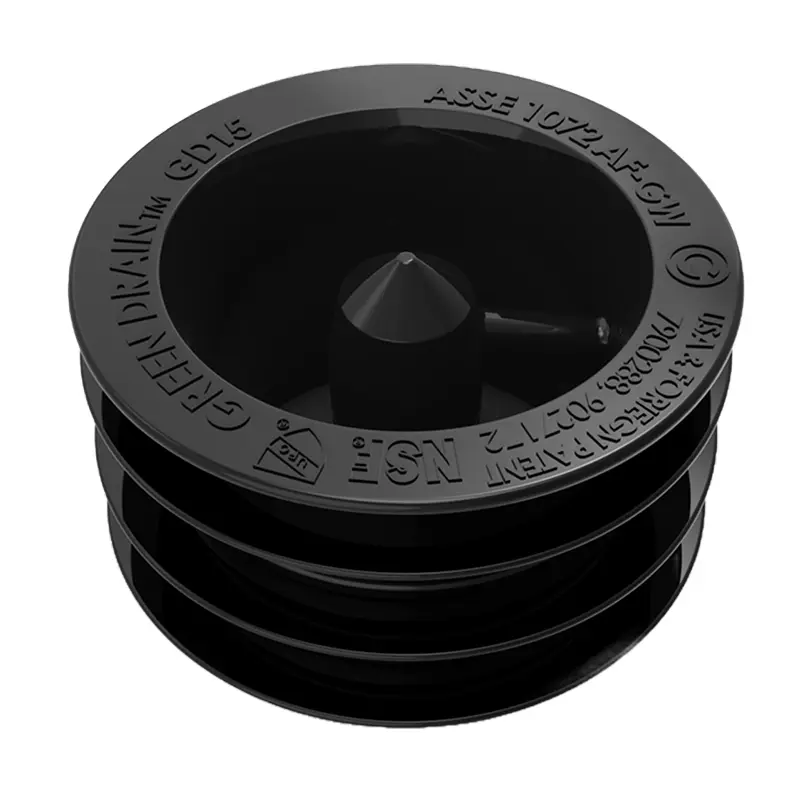
1.5" Waterless Trap Seal
Small fixture drains, condensate drains, compact floor drains in older buildings
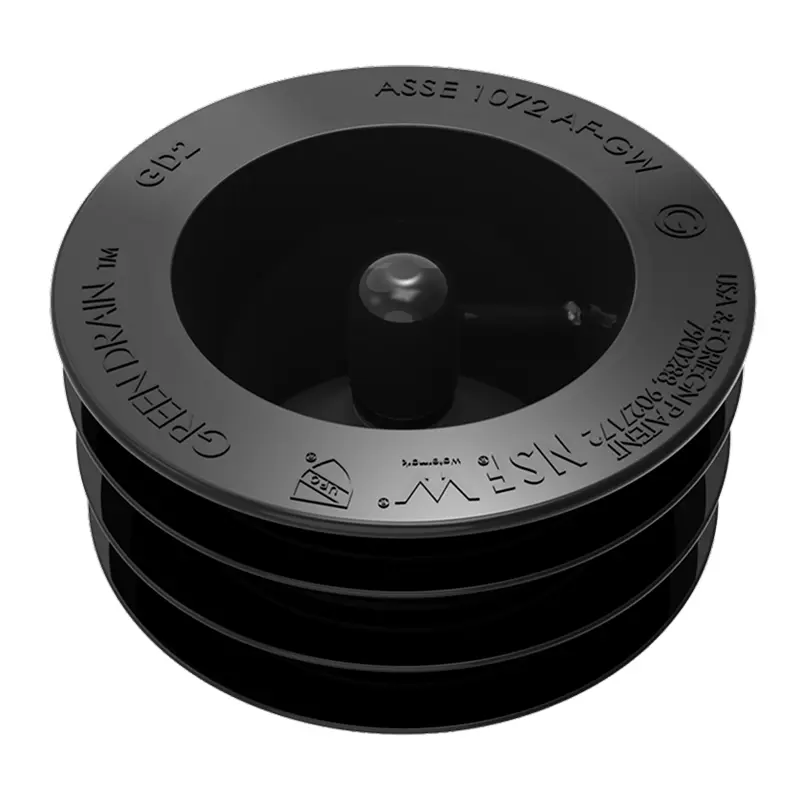
2" Waterless Trap Seal
Apartment bathroom drains, unit floor drains, janitorial closets. Most common size for multi-family.
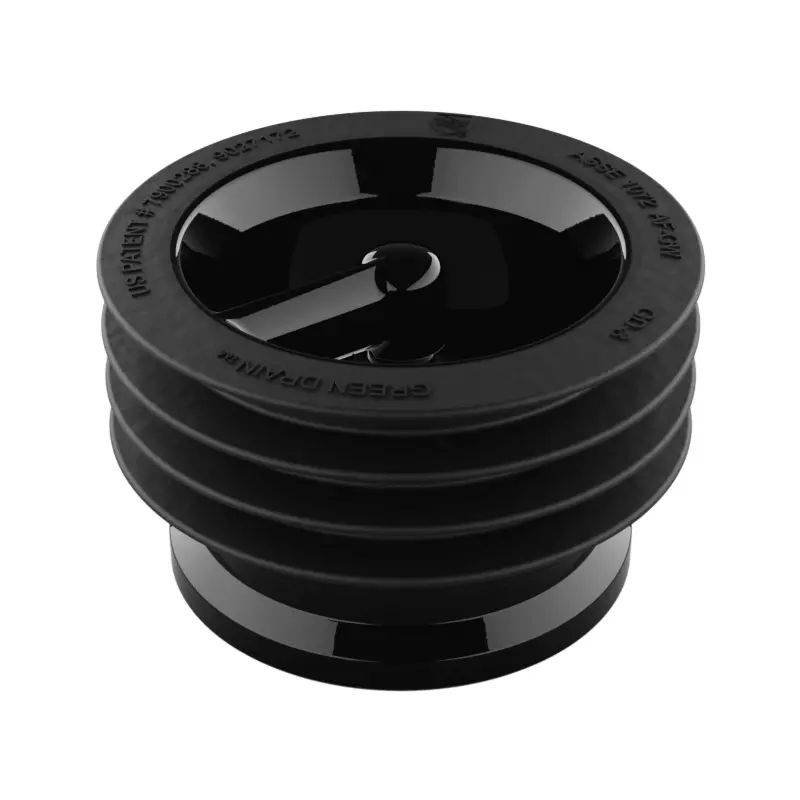
3" Waterless Trap Seal
Laundry room drains, mechanical room drains, common area floor drains, parking garage drains
Property Manager's Drain Protection Guide
A concise guide covering drain complaint patterns in multi-family housing, product sizing by unit type, portfolio deployment planning, and cost comparison data. Share with your regional managers or include in your next capital improvement proposal.
- Drain complaint cost analysis for multi-family portfolios
- Product sizing guide by unit and common area type
- Turnover checklist integration template
- Portfolio deployment planning worksheet
Request a Copy
Want this for your facility? Talk to our team for the underlying data, certification results, and specification language.
Contact UsFrequently asked questions.
Why do tenants keep complaining about drain odors?
Floor drains in apartment buildings rely on a small volume of water in the P-trap to block sewer gas. That water evaporates, especially in units with low drain usage, laundry rooms between cycles, and vacant apartments. When the water is gone, sewer gas enters the living space. Pouring water down the drain fixes it temporarily, but the water evaporates again and the complaint returns. Green Drain provides a mechanical seal that never evaporates, ending the cycle.
How does Green Drain protect vacant units?
Vacant units have no water running through their drains. The P-trap water evaporates within days or weeks, leaving every floor drain as an open pathway for sewer gas and pests. Green Drain seals the drain mechanically, regardless of whether water is present. Install it during turnover and the unit stays protected until the next tenant moves in, no matter how long it sits vacant.
Can Green Drain be deployed across an entire portfolio of properties?
Yes. Green Drain is designed for scale deployment. A portfolio of 20 buildings with 1,600 units might have 3,000 to 5,000 floor drains. At 30 seconds per install with no tools required, a maintenance team can outfit an entire building in a day. The device requires no ongoing maintenance, so there is no incremental labor cost after installation.
What sizes do apartment building drains typically require?
Most apartment floor drains are 2 inches in diameter, making the GD2 the most commonly used model in multi-family housing. Laundry rooms, mechanical rooms, and common area drains may require the GD3 (3 inch). Older buildings with smaller fixture drains may use the GD15 (1.5 inch). Contact us for a sizing consultation across your property types.
Does Green Drain block pests from entering through floor drains?
Yes. When a P-trap dries out, the drain becomes a direct pathway from the sewer system into the unit. Cockroaches, drain flies, and other pests use these pathways routinely. Green Drain's silicone valve physically blocks pest entry while still allowing water to flow down the drain normally. It works alongside your existing P-trap to provide a mechanical barrier that pests cannot bypass.
How much does Green Drain cost compared to ongoing drain maintenance?
Green Drain is a one-time purchase with no recurring costs. Compare that to the ongoing expense of maintenance staff responding to drain odor complaints, pest control callouts for drain-entry pests, enzyme treatments, and trap primer maintenance. For a portfolio with thousands of drains, the annual savings in labor, materials, and pest control services typically exceed the cost of a full deployment within the first year.
Should Green Drain be added to the unit turnover checklist?
Yes. Adding Green Drain installation to the turnover checklist ensures every vacant unit is protected from the day the previous tenant moves out. The 30-second install fits easily into existing turnover workflows. It prevents odor and pest issues that can delay leasing, create negative showing impressions, or generate complaints from adjacent occupied units.
Is Green Drain code compliant for residential buildings?
Yes. Green Drain is cUPC listed (IAPMO File 9301) and compliant with ASSE 1072-2020, the standard for barrier-type floor drain trap seal protection devices. It meets the requirements of the International Plumbing Code and Uniform Plumbing Code, both of which govern residential and multi-family construction.
Seal the drains. End the complaints.
Every drain complaint is a work order. Every work order is labor cost. Every unresolved complaint is a tenant who starts looking at other properties. The cycle is predictable, and so is the solution.
Green Drain does not replace your existing plumbing. It works with your P-traps, adding a mechanical seal that never fails due to evaporation. One device per drain. 30 seconds to install. No tools. Minimal maintenance. No recurring cost.
For property managers operating at portfolio scale, the decision is about economics. The one-time cost of sealing every drain across 20 buildings is a fraction of the annual cost of drain-related maintenance, pest control callbacks, and tenant turnover driven by unresolved complaints. Seal the drains and move on to the work that actually grows your portfolio.
Ready to eliminate drain complaints across your portfolio?
Request a sample, get a portfolio-wide quote, or talk to a property management specialist.