On a Ship, a Dried-Out Drain Isn't an Inconvenience. It's a Confined Space Hazard.
Below deck, sewer gas has nowhere to dissipate. H2S accumulates in confined compartments, corrodes equipment, and puts crew at risk. Green Drain seals every drain with a mechanical barrier that never evaporates, even at sea.
Who this page is for.
Whether you are managing drain infrastructure on a cruise ship, specifying equipment for a new vessel build, or maintaining drainage systems across a commercial fleet, this page covers the performance data, certifications, and marine-specific considerations you need to evaluate waterless trap seal technology.
Marine Engineers
You need drain seal solutions that withstand salt air, vessel motion, extreme temperatures, and pressure differentials. The material specs, CE certification data, and pressure resistance ratings are here for your review.
Ship Facility Managers
You manage hundreds of drains across cabins, galleys, engine rooms, and deck areas. You need a device that installs in seconds, requires minimal maintenance at sea, and eliminates the need for water-based trap priming systems.
Port Authority Engineers
You oversee terminal facilities, dry docks, and port infrastructure. Floor drains in these environments face the same salt air corrosion and low-use evaporation challenges found aboard vessels.
Cruise Ship Operations
Guest experience depends on odor-free cabins and public areas. With thousands of drains across a cruise vessel, a low-maintenance drain seal solution eliminates a persistent source of complaints and health risk.
At sea, a dried-out drain is more than an odor problem.
Every vessel has floor drains throughout its interior. Cabin bathrooms, galleys, laundry facilities, engine rooms, machinery spaces, and deck areas all rely on drainage systems that connect occupied compartments to the vessel's sanitary or gray water systems. Each of those connections depends on a small volume of water in a P-trap to maintain the barrier between breathable air and sewer gas.
That water disappears. Vessel motion sloshes it out of the trap. HVAC pressure differentials pull it through. In low-use cabins, seasonal berths, and seldom-accessed machinery spaces, evaporation empties the trap in days. When it does, the drain becomes an open pipe connecting the occupied space to the waste system below.
Cross-section showing P-trap failure,
H2S accumulation in below-deck compartment
~760 x 400px
The confined space factor
In a building on land, sewer gas from an unsealed drain disperses into a large volume of air, is diluted by ventilation, and is typically noticed as an odor nuisance before reaching dangerous concentrations. On a ship, the situation is fundamentally different. Below-deck compartments are enclosed steel spaces with limited air exchange. H2S is denser than air and settles into lower areas. In engine rooms, void spaces, and below-waterline cabins, gas from unsealed drains can accumulate to concentrations that are hazardous to crew health.
Hydrogen sulfide at low concentrations (10-50 ppm) causes eye and respiratory irritation. At moderate concentrations (100-200 ppm), it impairs the sense of smell, making it undetectable even as exposure continues. At high concentrations (300+ ppm), it can cause loss of consciousness and is immediately dangerous to life and health. In a confined ship compartment, these concentration thresholds can be reached faster than in any land-based building.
Salt air and corrosion
Marine environments accelerate the degradation of metal components. Trap primers, which use brass or copper fittings and mechanical valves, are particularly vulnerable to salt air corrosion. Failed trap primers mean failed trap seals, and replacement or repair at sea is often impractical. Green Drain contains no metal components. The medical-grade silicone is inherently resistant to salt, UV, and chemical exposure, making it suited for the marine environment where metal-based solutions degrade.
Water conservation aboard vessels
Fresh water is a limited resource on any vessel. Trap primers consume water continuously to maintain drain seals, adding to the freshwater demand aboard ships where every gallon matters. Eliminating trap primer water consumption across hundreds of drains on a cruise ship or commercial vessel represents a meaningful reduction in freshwater usage. This also reduces the load on gray water treatment and storage systems.
Maintenance at sea is not optional, it is impossible for some systems
When a trap primer fails in a hospital, a plumber can respond within hours. When a trap primer fails mid-voyage, the drain remains unsealed until the next port call. For vessels on extended routes, that can mean weeks of exposure. Green Drain requires minimal maintenance, no water connection, and no power. Once installed, it provides a continuous mechanical seal regardless of voyage duration or maintenance crew availability.
Why traditional approaches fall short at sea.
Trap Primers
Require freshwater connections, mechanical valves, and maintenance access. Metal components corrode in salt air environments. When a primer fails mid-voyage, the drain remains unsealed until port. On vessels with hundreds of drains, trap primer systems represent a significant freshwater consumption and maintenance burden.
Manual Flushing
Depends on crew compliance across every drain on every deck. Vessel motion causes traps to lose water between flushing rounds. In machinery spaces and low-traffic areas, drains are routinely missed. The P-trap water begins evaporating or sloshing out again immediately after flushing.
Metal-Based Drain Devices
Any drain sealing device with metal components faces accelerated corrosion in marine environments. Salt spray, humidity, and chemical exposure degrade brass, steel, and copper fittings. Corroded components lose their seal integrity and require replacement, which may not be possible during a voyage.
How Green Drain solves it.
A one-way silicone valve that drops into the existing floor drain body. Water flows down normally. The valve physically blocks gas, odors, and pests from traveling back up through the drain. No water required. No power. Minimal maintenance. No metal components to corrode.
Green Drain valve in drain body
Open (water flowing) vs. Closed (sealed)
~900 x 360px
Pressure-tested seal
CE/ETA-18/0536 testing confirmed odour tightness at 200 Pa and mechanical resistance exceeding 400 Pa. The seal holds under the pressure differentials created by vessel motion, wave action, and shipboard HVAC systems.
Tear strength
The medical-grade silicone membrane has been tested to 93 times tear strength, ensuring durability under constant vessel vibration, mechanical stress, and repeated water flow. No fatigue failure. No degradation from salt exposure.
Continuous mechanical seal
The silicone valve maintains a seal around the clock, regardless of vessel motion, water availability, or crew access. Nothing evaporates. No evaporation window during which the seal is lost. No failure mode that opens the pathway.
Zero freshwater consumption
Eliminates the freshwater consumed by trap primer systems across the vessel. For ships managing limited freshwater reserves, every gallon saved for crew and passenger use matters. Also reduces gray water treatment load.
Application areas aboard vessels.
Green Drain fits every drain size found in marine construction, from 1.5" cabin drains to 6" machinery space floor drains. The following areas represent the highest-priority applications for maritime operations.
Cabin Bathrooms
Shower and floor drains in passenger cabins and crew quarters are the most common source of sewer gas odor complaints aboard ships. Low-use cabins and seasonal berths are especially vulnerable to trap seal loss from evaporation.
Galleys and Food Service
Ship galleys have floor drains for wash-down and grease management. These drains must maintain seal integrity for food safety and odor control. NSF/ANSI 2 certification supports food safety compliance in these areas.
Engine and Machinery Rooms
Below-deck machinery spaces are confined environments where H2S accumulation poses the greatest risk. Large floor drains in these areas serve equipment wash-down and condensate collection. Maintenance access is limited during voyages.
Laundry Facilities
Shipboard laundry rooms have floor drains that receive high volumes of wash water intermittently. Between cycles, these drains can lose their trap seal, allowing odors from the waste system to enter the laundry space.
Public Areas and Restrooms
On cruise ships, public restroom and spa area drains serve high-traffic zones where odor directly affects guest experience. Seasonal or off-peak areas may see reduced water flow, increasing the risk of trap seal evaporation.
Deck Drains and Utility Areas
Deck drains and utility spaces face direct salt spray exposure. Metal trap components corrode rapidly in these locations. Green Drain's all-silicone construction eliminates corrosion as a failure mode for drain sealing.
Marine engineer installing
Green Drain in vessel floor drain
~580 x 380px
Completed installation in ship galley,
stainless steel drain environment
~580 x 380px
Certifications and test reports that matter for maritime.
Green Drain is backed by third-party certifications and independent test reports relevant to marine specification and procurement. The certifications below (CE / ETA-18/0536, cUPC, and NSF/ANSI 2) are formal listings; the CRT and DTI entries are independent test reports, not certifications.

CE / ETA-18/0536
European Technical Assessment verifying 200 Pa odour tightness, Class A thermal resistance (-40F to 212F continuous), and mechanical resistance exceeding 400 Pa. Critical for vessels operating in European waters and under international classification society standards.
CRT Membrane Test (independent test report)
Independent membrane test report confirming seal integrity under repeated cycling, pressure differentials, and material stress. Validates long-term performance in environments with continuous vibration and mechanical loading, exactly the conditions found aboard operating vessels.

DTI Testing (independent test report)
Danish Technological Institute test reports providing independent verification of performance claims. Includes material durability, flow rate, and seal performance data relevant to marine engineering specifications.

cUPC / ASSE 1072-2020
Plumbing code certification (IAPMO File 9301) confirming Green Drain meets barrier-type floor drain trap seal protection device requirements. Relevant for port facilities, terminal buildings, and shore-side infrastructure.
NSF/ANSI 2
Material safety certification for food-contact environments. Relevant for ship galleys, dining areas, and food service operations aboard vessels where food safety compliance applies.
Regulatory and compliance context.
Understanding where Green Drain fits within maritime regulations and classification standards helps marine engineers and ship operators incorporate drain sealing into vessel specifications.
MARPOL Annex IV: Sewage Management
MARPOL Annex IV governs the discharge and management of sewage aboard vessels. While Green Drain is not a MARPOL-certified device, it supports compliance by reducing freshwater consumption for drain seal maintenance and preventing sewer gas emissions into occupied spaces. Water conservation aboard vessels is a practical consideration under these regulations.
ISM Code: Safety Management Systems
The International Safety Management (ISM) Code requires ship operators to identify and manage risks to crew safety. H2S exposure from unsealed drains in confined below-deck spaces is an identifiable hazard. Green Drain provides a passive, low-maintenance control measure that does not depend on crew compliance or active monitoring.
Classification Society Standards
Major classification societies (Lloyd's, DNV, Bureau Veritas, ABS) set standards for vessel construction and equipment. Green Drain's CE/ETA-18/0536 certification provides the European Technical Assessment documentation that classification surveyors typically reference for building product performance verification.
Recommended products for maritime.
Vessel drain pipes range from 1.5" in cabin bathrooms to 6" in machinery spaces. All models share the same corrosion-resistant silicone valve design and certification portfolio. No metal components in any model.
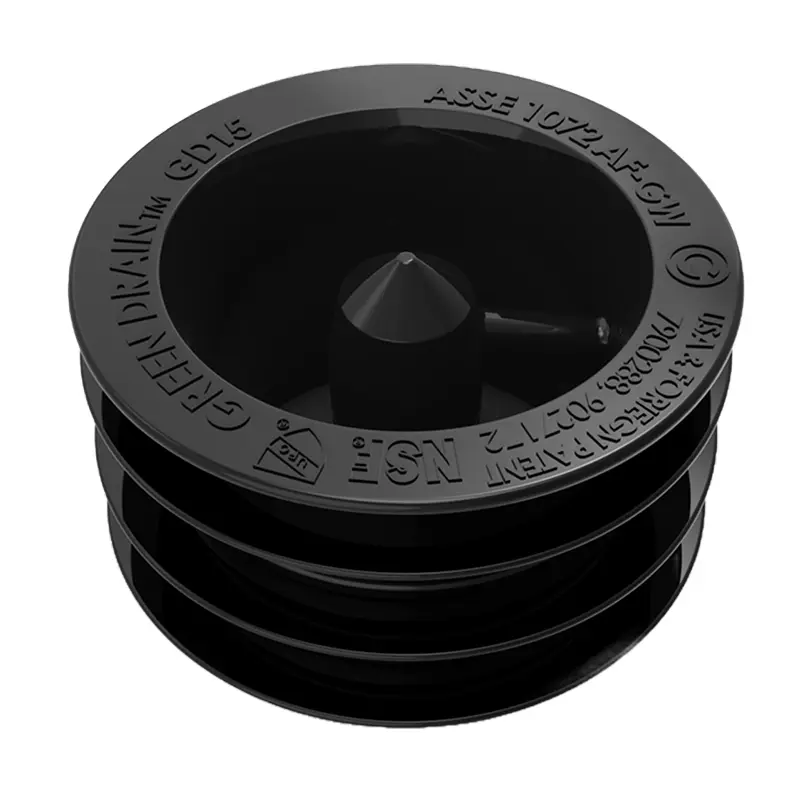
1.5" Waterless Trap Seal
Cabin shower drains, small floor drains in crew quarters
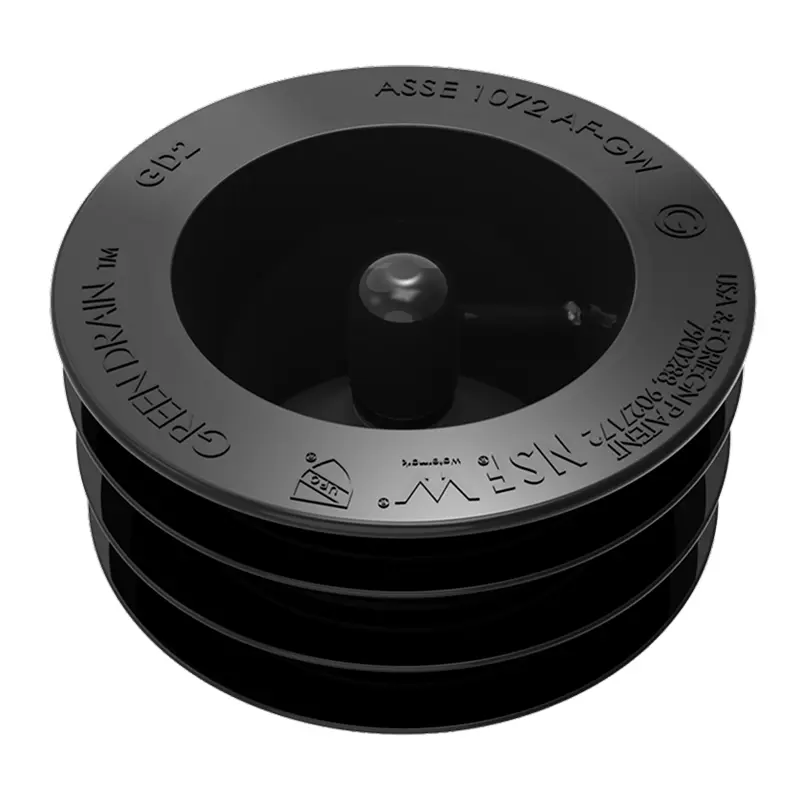
2" Waterless Trap Seal
Cabin bathrooms, restroom drains, laundry drains
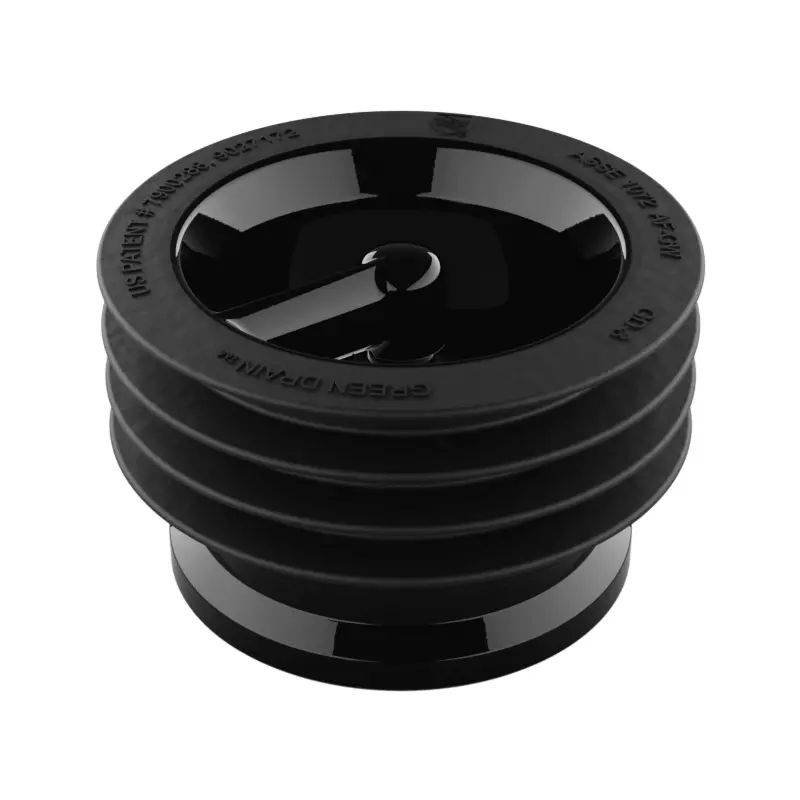
3" Waterless Trap Seal
Galley drains, utility room drains, public area drains
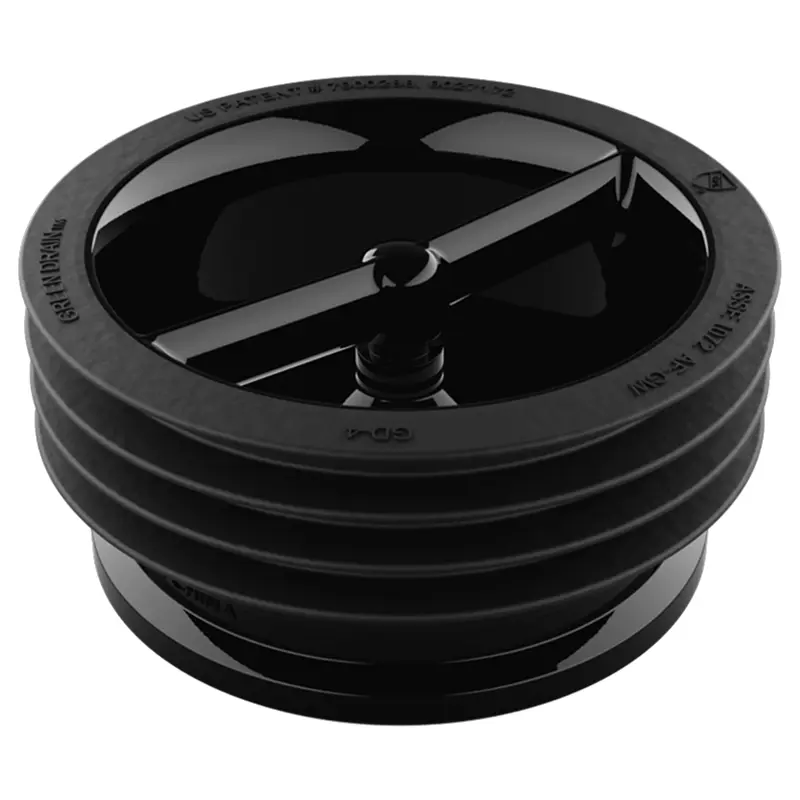
4" Waterless Trap Seal
Machinery room drains, large galley drains, deck drains
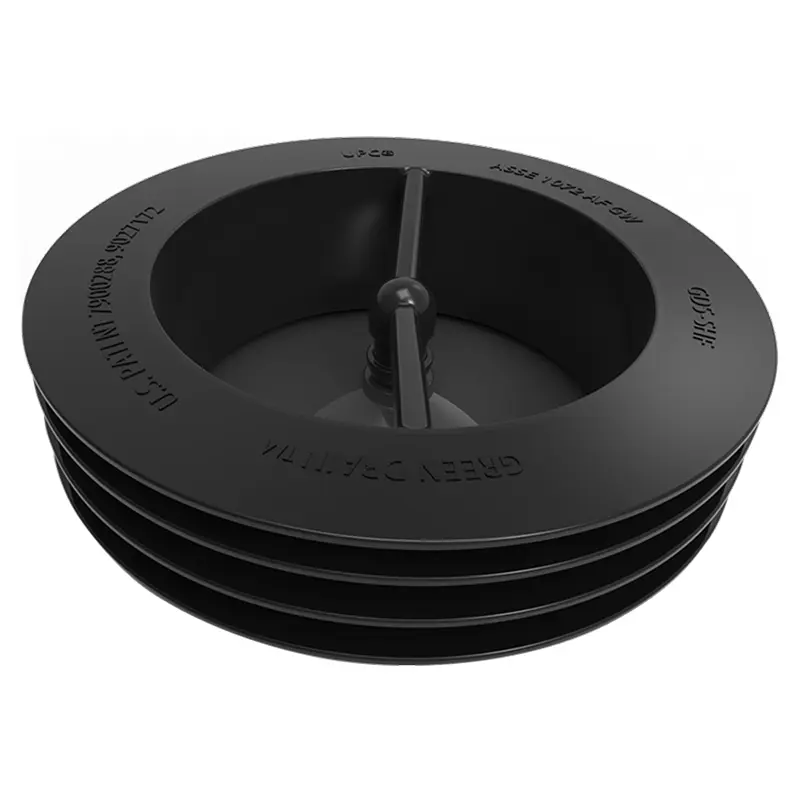
5" Waterless Trap Seal
Engine room drains, large machinery space floor drains
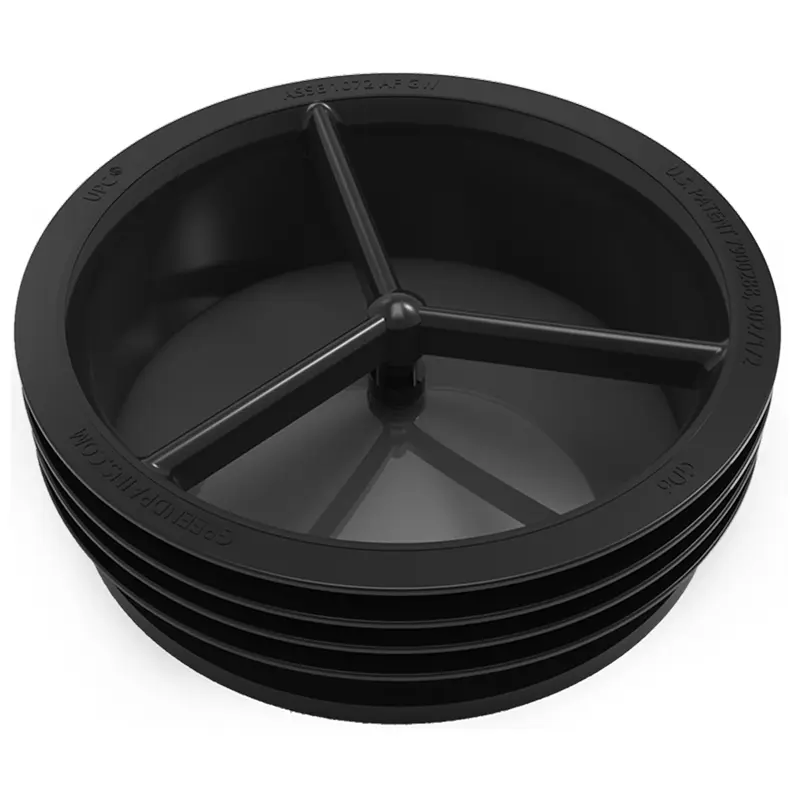
6" Waterless Trap Seal
Central machinery drains, bilge area drains, large deck drains
Maritime Drain Safety Brief
A concise summary of drain seal challenges aboard vessels, material performance data for marine environments, certification documentation, and product sizing for ship drain infrastructure. Share with your engineering team or include in your next vessel specification package.
- H2S risk summary for confined ship compartments
- Material performance data for salt air environments
- CE/ETA certification documentation summary
- Product sizing guide for maritime drain systems
Request a Copy
Want this for your facility? Talk to our team for the underlying data, certification results, and specification language.
Contact UsFrequently asked questions.
Why do ship floor drains lose their trap seal?
Vessel motion, HVAC pressure differentials, and low-use areas cause P-trap water to evaporate or slosh out far faster than in stationary buildings. Galley drains, cabin bathrooms, and machinery space drains on ships frequently lose their water seal, opening a direct pathway for sewer gas and H2S into occupied compartments.
Is H2S from ship drains a confined space hazard?
Yes. Hydrogen sulfide (H2S) is heavier than air and accumulates in lower decks, engine rooms, and below-waterline compartments. In confined ship spaces with limited ventilation, even low concentrations can cause respiratory distress. At higher concentrations, H2S exposure can be immediately dangerous to life and health (IDLH). Unsealed drains are a documented entry point for this gas aboard vessels.
Can Green Drain withstand saltwater and marine environments?
Green Drain is made from medical-grade silicone that is inherently resistant to salt air corrosion, UV degradation, and chemical exposure. The material is rated for continuous operation from -40F to 212F. It contains no metal components that would corrode in marine environments. The silicone membrane has been tested to 93x tear strength, ensuring durability under vessel vibration and movement.
Does Green Drain work with vessel motion and pressure changes?
Yes. Green Drain has been pressure tested to 200 Pa (per CE/ETA-18/0536) and maintains its seal under the pressure differentials created by vessel motion, HVAC systems, and wave action. The flexible silicone valve accommodates rocking and vibration without losing seal integrity.
What sizes of Green Drain are available for marine applications?
Green Drain is available in sizes from 1.5 inches (GD15) to 6 inches (GD6), covering the full range of drain pipe diameters found aboard commercial vessels, cruise ships, and naval craft. The GD2 and GD3 are most common for cabin and galley drains. The GD4, GD5, and GD6 serve machinery spaces and deck drains.
Does Green Drain help with MARPOL compliance?
While Green Drain is not a MARPOL-certified device, it supports shipboard environmental compliance by preventing sewer gas emissions into occupied spaces and reducing the need for water-based trap priming systems. Water conservation aboard vessels is a practical consideration under MARPOL Annex IV regulations governing sewage management.
Seal the drains. Protect the crew.
Every unsealed floor drain aboard a vessel is an open pathway between the waste system and the air your crew and passengers breathe. In confined below-deck compartments, that pathway carries H2S, odors, and biological contaminants into spaces where people live and work.
Green Drain does not replace your existing plumbing infrastructure. It supplements your P-traps with a mechanical seal that never fails due to evaporation, vessel motion, or corrosion. The device works with the drain systems already installed aboard your vessel.
The cost of a single confined space incident, crew health claim, or passenger complaint far exceeds the cost of sealing every drain on the ship. The solution installs in 30 seconds per drain with no tools required.
Ready to seal every drain aboard your vessel?
Request a sample, get a fleet-wide quote, or talk to a maritime specialist.