A University Campus Is a Small City With Thousands of Drains
Dormitories, dining halls, athletic facilities, research labs, mechanical rooms. Every building type has floor drains, and every drain relies on a water seal that can fail. Green Drain provides a campus-wide preventive maintenance solution that installs in seconds, requires minimal ongoing attention, and scales from a single building to an entire university system.
Who this page is for.
Whether you manage a 10-building community college or a 200-building research university, this page provides the information you need to evaluate a campus-wide drain seal solution. Product data, certifications, application guidance, and deployment planning are all included.
Campus Facility Managers
You manage the physical infrastructure across dozens of buildings. Drain odor complaints, pest entry through drains, and trap primer maintenance consume staff time that could be directed elsewhere. Green Drain eliminates the maintenance and the complaints.
University Operations Directors
You oversee budgets, vendor relationships, and capital improvement programs. A campus-wide drain seal deployment is a one-time investment that eliminates an ongoing maintenance cost. The ROI case is built on labor savings, water savings, and complaint reduction.
Housing Maintenance Teams
You deal with the reality of hundreds of dormitory bathrooms going unused every summer. When students return, the complaints start. Green Drain prevents the problem before it begins, with no summer flushing rounds required.
Campus Dining Directors
You run high-volume food service operations with strict health code requirements. NSF/ANSI 2 certification and HACCP International certification support food safety compliance. The 276 L/min flow rate (GD4) handles kitchen wash-down without restriction.
A campus is a collection of every building type, each with its own drain challenges.
A university campus is unlike any other facility type. It combines residential buildings, commercial kitchens, athletic venues, research laboratories, mechanical plants, and academic buildings into a single managed portfolio. Each building type has floor drains, and each type presents different drain seal challenges.
The common thread is the P-trap. Every floor drain has one. It holds water as a barrier against sewer gas. And that water evaporates, especially in drains that receive infrequent use. Green Drain works with the existing P-trap by adding a mechanical seal that does not depend on water presence. The P-trap stays in place. The drain infrastructure stays unchanged. The valve simply adds a layer of protection that never evaporates.
and Drain Challenges
Aerial campus layout showing dorms,
dining, athletics, labs, mechanical
~760 x 400px
The summer break problem
This is the single biggest drain issue on any residential campus. When students leave for summer break, hundreds of dormitory bathrooms go unused for weeks or months. Shower drains, bathroom floor drains, and laundry room drains stop receiving water. The P-trap seals begin to evaporate.
In a 40-building campus with 75 rooms per building, that is 3,000 or more bathroom drains going dry simultaneously. When the seals fail, sewer gas enters the rooms. The result is a campus-wide odor problem that requires maintenance staff to manually flush every drain before students return. Green Drain eliminates this entire workflow. The mechanical seal stays closed regardless of whether the drain receives water.
Dining halls and food safety
Campus dining operations serve thousands of meals daily. Kitchen floor drains receive constant wash-down during service hours but can go unused overnight, on weekends, and during academic breaks. Drain flies, odor, and sewer gas are persistent complaints in food service environments where drains are not properly sealed.
Green Drain carries NSF/ANSI 2 certification for food equipment material safety and a separate HACCP International food safety certification (Certificate RG-05). Together they support food safety compliance in campus dining halls, catering kitchens, and food preparation areas.
Athletic facilities
Locker rooms, shower facilities, pool equipment rooms, and training rooms have floor drains that receive heavy seasonal use followed by periods of inactivity. Between sports seasons, during holiday breaks, and over summer, these drains dry out. The result is odor that permeates locker rooms and training spaces. Green Drain keeps the seal intact through every off-season.
Research laboratories
Laboratory buildings present a unique consideration. Floor drains in research labs may be exposed to a range of chemicals depending on the research conducted. Green Drain is made from medical-grade silicone with broad chemical resistance. For general laboratory floor drains, the device provides the same seal integrity as in any other building type. For specialized chemical environments, material compatibility should be confirmed with Green Drain technical support.
Sustainability alignment
Universities are leaders in sustainability commitments. Many campuses are pursuing LEED, STARS, or carbon neutrality goals. Trap primer systems consume tens of thousands of gallons of water annually across a campus. Green Drain eliminates this water consumption entirely. The device requires no power, no consumables, and no scheduled maintenance. For campuses tracking water use, energy use, and operational efficiency, Green Drain contributes measurable reductions.
Why traditional approaches fail at campus scale.
Manual Flushing Rounds
Sending maintenance staff to manually flush drains across dozens of buildings before every semester start, after every break, and during summer is a massive labor commitment. Drains get missed. Staff turn over. The problem recurs every cycle. It is not scalable and it is not sustainable.
Trap Primers at Scale
Installing and maintaining trap primers across thousands of campus drains requires water supply connections to each drain location, ongoing valve maintenance, and a monitoring system to detect failures. At campus scale, the infrastructure and maintenance costs are substantial. When primers fail, the problem returns.
Reactive Complaint Response
Many campus facilities teams operate in reactive mode: waiting for odor complaints, then dispatching staff to investigate and flush drains. This approach consumes work orders, frustrates building occupants, and never addresses the root cause. The P-trap will dry out again. A preventive maintenance approach, sealing drains before they fail, eliminates the cycle entirely.
How Green Drain solves it at campus scale.
A one-way silicone valve that drops into the existing floor drain body. Water flows down normally. The valve physically blocks sewer gas, odor, pests, and organisms from traveling back up through the drain. No water required. No power. Minimal maintenance. Deploy building by building as part of your campus preventive maintenance program until the entire system is covered.
Green Drain valve in drain body
Open (water flowing) vs. Closed (sealed)
~900 x 360px
Installation per drain
Remove grate, drop in device, press to seat gasket, replace grate. No tools. No plumbing modifications. A maintenance team can outfit an entire dormitory floor in under an hour. The device works with existing drain bodies and P-traps.
Continuous seal
The mechanical seal stays closed whether the drain receives water or not. Summer break, winter break, holiday weekends. The seal never depends on water level. No flushing rounds. No staff compliance required.
Preventive maintenance
Simple drop-in installation, minimal ongoing maintenance. No water lines to run. No chemicals to apply. No flushing schedules to manage. Easy to inspect and replace when needed. This is the preventive maintenance model that campus facilities teams need at scale.
Water consumption
Eliminates trap primer water use across the entire campus. For universities tracking water conservation metrics for LEED, STARS, or internal sustainability goals, this is a measurable, reportable reduction.
Application areas across campus.
Green Drain fits every drain size found in university construction. The following areas represent the highest-priority applications for campus facilities teams.
Dormitories and Residence Halls
Bathroom floor drains and shower drains in every room. The highest-volume application on any residential campus. Hundreds of drains that go unused during every break period. Green Drain eliminates the summer flushing problem entirely.
Dining Halls and Campus Kitchens
High-volume food service operations with health code requirements. Kitchen floor drains, prep area drains, walk-in cooler drains, and dish room drains. NSF/ANSI 2 certification and HACCP International certification support food safety compliance.
Athletic Facilities
Locker rooms, shower facilities, pool equipment rooms, training rooms, and gymnasium drains. Heavy seasonal use followed by periods of inactivity. Green Drain prevents the off-season odor that builds up in sealed locker room environments.
Research Laboratories
Floor drains in general research labs, teaching labs, and support spaces. Medical-grade silicone provides broad chemical resistance. For specialized chemical environments, confirm material compatibility with Green Drain technical support.
Academic Buildings
Restroom floor drains, janitorial closets, and utility rooms across classroom and office buildings. Often the most neglected drains on campus because they are not high-profile until a complaint arrives. Green Drain provides passive, reliable protection with minimal upkeep.
Central Plant and Mechanical Rooms
Boiler rooms, chiller plants, equipment rooms, and utility tunnels. Large floor drains that receive condensate and equipment drainage in low-traffic areas. These drains are prime candidates for trap seal evaporation and sewer gas entry.
Maintenance worker installing
Green Drain in dorm bathroom drain
~580 x 380px
Green Drain in campus kitchen
floor drain, grate replaced
~580 x 380px
Certifications that matter for universities.
Green Drain carries a comprehensive certification portfolio that supports specification and procurement across all campus building types.

cUPC / ASSE 1072-2020
Plumbing code certification (IAPMO File 9301). Barrier-type floor drain trap seal protection device. Accepted in 46+ U.S. states and Canadian provinces. Supports specification for both new campus construction and retrofit projects.
NSF/ANSI 2 Certification
Material safety certification for food-contact environments, backed by a separate HACCP International Food safety certification (Certificate RG-05). Supports campus dining halls, catering kitchens, and food preparation areas where health code compliance is mandatory.
SGS Aerosol-Retention Test Report
Independent SGS bench test (report QDF25-0049810-01): the GD3 retained over 99.9% of an aerosolized MS2 bacteriophage viral surrogate. Relevant for campus health centers, research laboratories, and any university facility focused on drain-borne aerosol control.

CE / ETA-18/0536
European Technical Assessment. Relevant for international university campuses, study-abroad facilities, and global campus operations that require European certification compliance.
Recommended products for universities.
Campus floor drains typically range from 2" to 5" pipe diameter depending on the building type and area. The following models cover the vast majority of university drain applications.
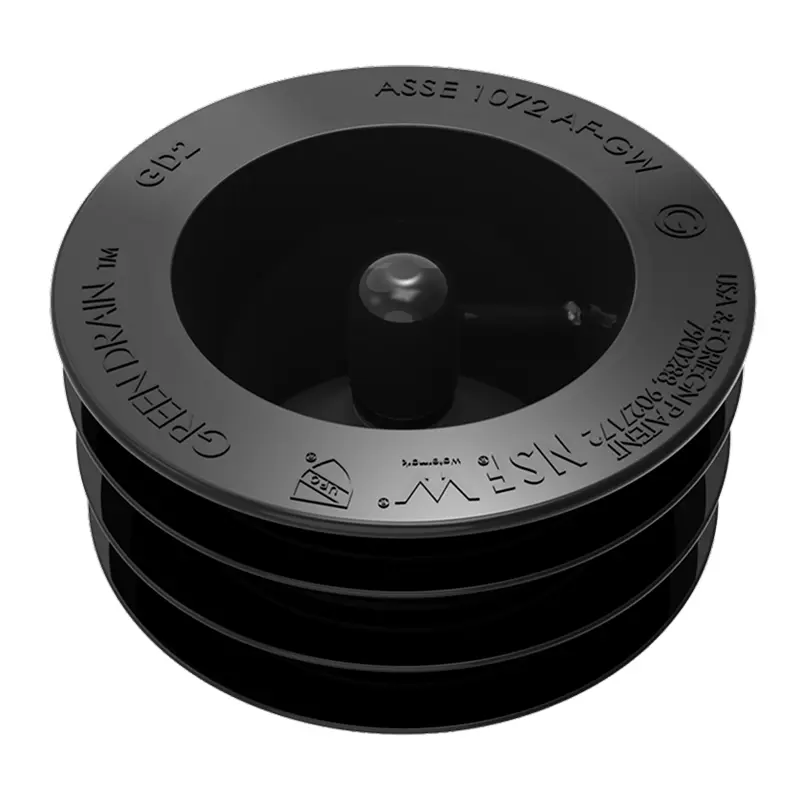
2" Waterless Trap Seal
Dormitory bathroom drains, academic building restrooms, residence hall showers
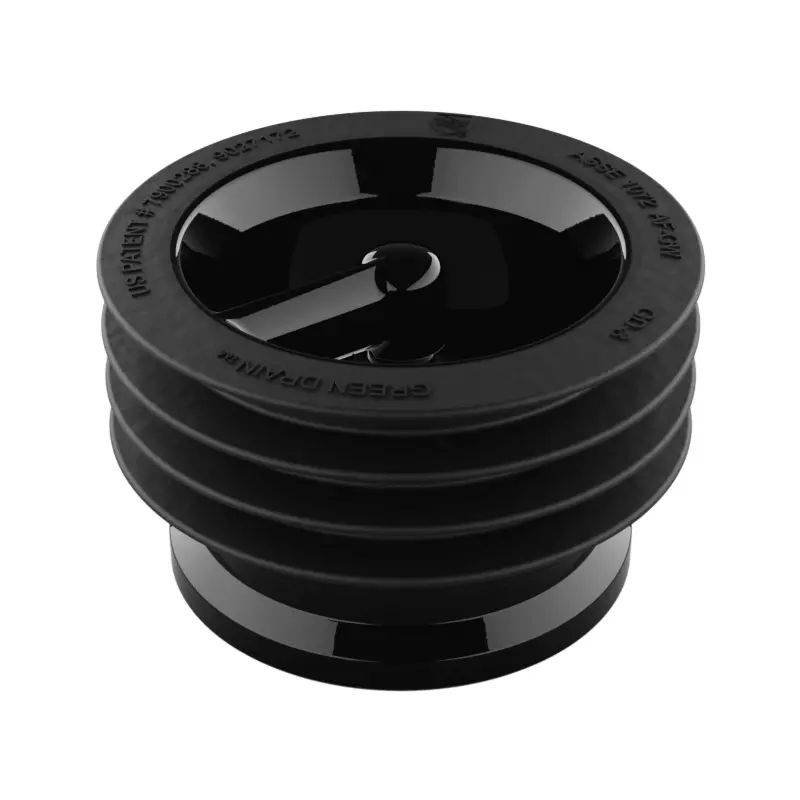
3" Waterless Trap Seal
Utility rooms, kitchen drains, laboratory floor drains, locker room drains
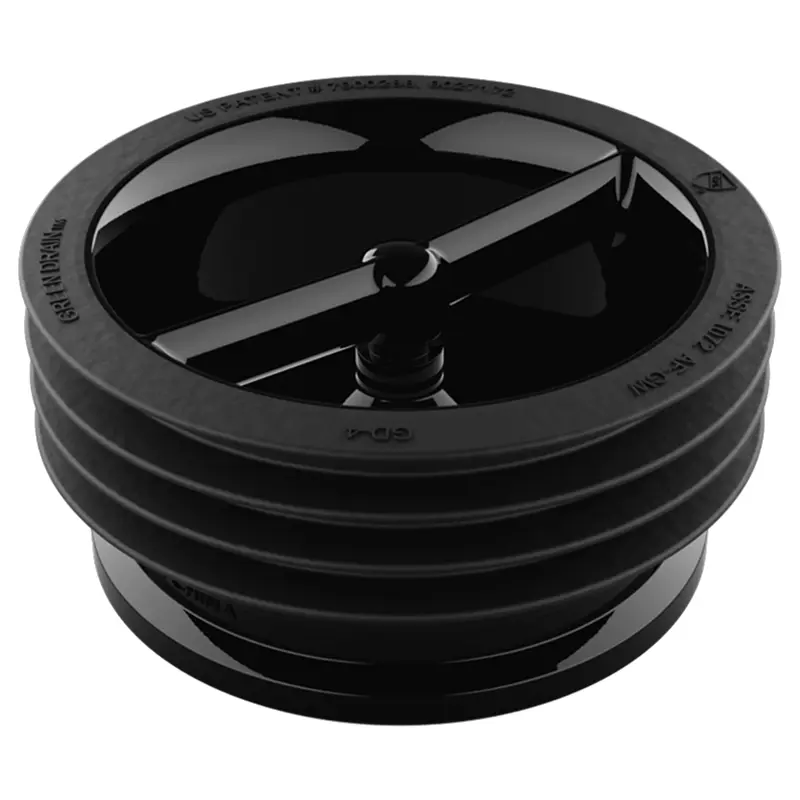
4" Waterless Trap Seal
Dining halls, athletic facilities, mechanical rooms, large floor drains
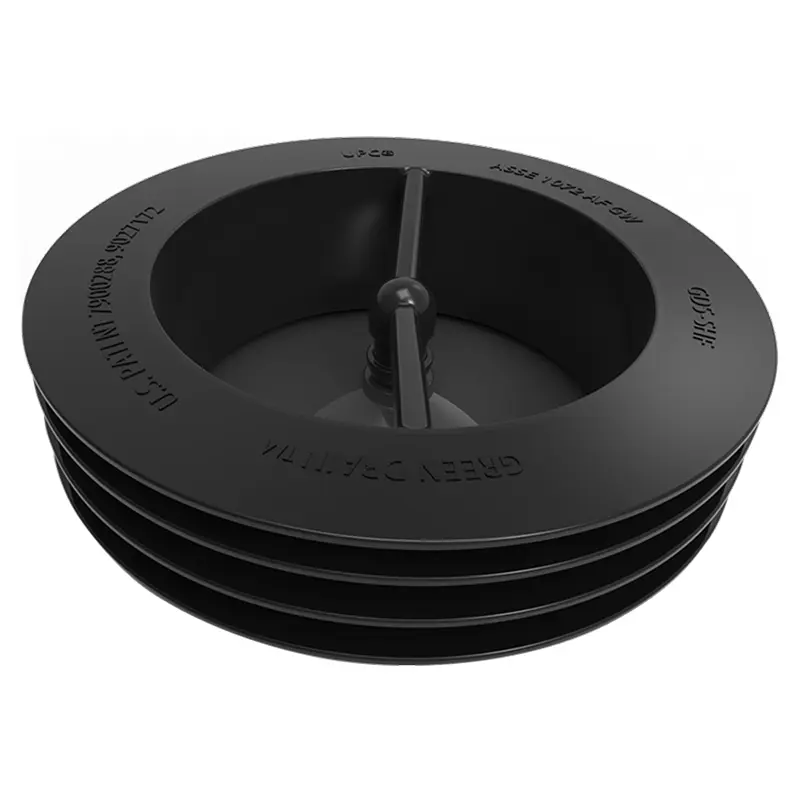
5" Waterless Trap Seal
Central plant drains, large utility drains, equipment wash areas
Campus Drain Safety Guide
A planning guide for campus-wide drain seal deployment. Includes building-by-building prioritization, sizing guidance for each campus building type, certification summaries, and ROI calculations for facilities directors.
- Campus deployment planning template
- Building type sizing guide (dorms, dining, athletics, labs)
- Water savings and labor savings ROI calculator
- Certification summary for procurement review
Request a Copy
Want this for your facility? Talk to our team for the underlying data, certification results, and specification language.
Contact UsFrequently asked questions.
How many drains does a typical university campus have?
A mid-size campus with 40+ buildings can have 3,000 or more floor drains across dormitories, dining halls, athletic facilities, research labs, mechanical rooms, and academic buildings. Each drain relies on a P-trap water seal that can evaporate during low-use periods such as summer break, winter break, and holiday weekends. Green Drain provides a mechanical seal that maintains the barrier regardless of water presence.
Why do dormitory drains smell during summer break?
When students leave for summer break, dormitory bathroom and shower drains stop receiving water. The P-trap water seal evaporates over days or weeks depending on temperature and humidity. Once the seal is gone, sewer gas flows freely into the room. Multiply this by hundreds of dorm rooms and the result is a campus-wide odor problem that greets returning students and staff. Green Drain maintains the seal mechanically so it never depends on water presence. No flushing rounds required.
Can Green Drain be deployed across an entire campus?
Yes. Green Drain installs in approximately 30 seconds per drain with no tools required. A maintenance crew can outfit an entire dormitory floor in under an hour. Campus-wide deployment across thousands of drains can be completed building by building over a planned schedule. Green Drain provides volume pricing and project planning support for campus-scale deployments.
Is Green Drain safe for university dining hall drains?
Yes. Green Drain carries NSF/ANSI 2 certification for food equipment material safety and a separate HACCP International Food safety certification (Certificate RG-05). Together they support food safety compliance in campus dining halls, catering kitchens, and food preparation areas. The 276 L/min flow rate (GD4) handles high-volume kitchen wash-down without restriction.
Does Green Drain work in research laboratory drains?
Green Drain is made from medical-grade silicone with broad chemical resistance. It is suitable for general research laboratory floor drains where chemical compatibility has been confirmed. For specialized laboratory environments with specific chemical exposure requirements, contact Green Drain technical support for material compatibility guidance.
How does Green Drain support campus sustainability goals?
Green Drain eliminates the tens of thousands of gallons of water consumed annually by trap primer systems across a campus. For universities pursuing LEED, STARS, or other sustainability certifications, this represents measurable water conservation. The device requires no power, no consumables, and no scheduled maintenance, further reducing the campus operational footprint.
What sizes does Green Drain come in for campus drains?
University campuses typically use 2-inch through 5-inch floor drains depending on the building type. The GD2 (2 inch) covers dormitory bathroom drains. The GD3 (3 inch) covers utility rooms and kitchens. The GD4 (4 inch) covers dining halls, athletic facilities, and mechanical rooms. The GD5 (5 inch) covers large central plant and utility drains. All models share the same patented silicone valve design.
Does Green Drain meet plumbing code requirements for university buildings?
Green Drain is cUPC listed (IAPMO File 9301) and compliant with ASSE 1072-2020, the standard for barrier-type floor drain trap seal protection devices. It is accepted in 46+ U.S. states and Canadian provinces under both the IPC and UPC. This certification supports specification for both new campus construction and retrofit projects in existing buildings.
Seal the drains. Solve the campus.
A university campus is a small city, and every city needs its infrastructure to work without constant intervention. Floor drains are part of that infrastructure. When they fail, the symptoms show up as odor complaints, pest sightings, health code concerns, and work orders that pull your team away from higher-priority projects.
Green Drain does not replace your existing plumbing infrastructure. It works with your P-traps by adding a mechanical seal that never evaporates. Install it once, building by building, and redirect the staff time currently spent on drain flushing, complaint response, and trap primer maintenance toward projects that improve the campus.
The cost per drain is a fraction of the cost of a single emergency plumbing call. The ROI builds every semester as drain-related work orders approach zero. The solution scales from a single dormitory to an entire university system.
Ready to solve drain problems campus-wide?
Request a sample, get a campus-wide quote, or talk to a university facilities specialist.