The Residents Who Can Least Afford a Drain-Based Infection Are the Most Exposed
Long-term care residents are immunocompromised, mobility-limited, and spend months or years in facilities where floor drains connect occupied spaces to the sewer system. Green Drain is a waterless one-way valve that allows water to drain but restricts the retrograde movement of air and aerosols, a passive engineering control that requires zero staff maintenance and works around the clock.
Who this page is for.
Whether you are managing infection control at a skilled nursing facility, overseeing operations across a senior living portfolio, or maintaining building systems in a long-term care environment, this page provides the data and certifications you need to evaluate drain seal technology for resident safety.
Facility Administrators
You are responsible for resident safety, regulatory compliance, and operational efficiency. This page presents the infection risk, the CMS survey implications, and the cost case for a facility-wide drain seal program.
Operations Directors
You manage preventive maintenance programs across multiple facilities with limited staff. You need a drain solution that installs in seconds, requires minimal ongoing maintenance, and eliminates a recurring source of odor complaints and work orders.
Infection Preventionists
You need quantified evidence of how a device restricts the upward movement of air and aerosols from drains. The SGS test data and ASSE 1072-2020 compliance information are here for your evaluation. The same organisms documented in hospital drain outbreaks are present in long-term care drainage systems.
Nursing Home Engineers
You maintain the building systems that keep residents safe and comfortable. Green Drain is cUPC listed, ASSE 1072-2020 compliant, and eliminates the maintenance burden of trap primers, manual flushing, and chemical treatments across your facility.
Senior living facilities face the same drain risks as hospitals, with fewer resources to manage them.
The pathogens that have been documented in hospital drain outbreaks do not stop at the hospital door. CRE, MRSA, Pseudomonas aeruginosa, and Klebsiella pneumoniae colonize drainage systems in any building with sanitary plumbing. Skilled nursing facilities, assisted living communities, memory care units, and long-term care residences all have floor drains that connect occupied spaces to the sewer system through P-traps.
When those P-traps dry out, the pathway opens. In resident bathrooms with low water usage, in vacant rooms awaiting new residents, in seasonal wings, and in utility areas that receive infrequent attention, traps lose their water seal and the drain becomes an open conduit for sewer gas and aerosolized organisms.
Transmission Pathway
Cross-section showing P-trap failure
in senior living bathroom environment
~760 x 400px
A vulnerable population
Senior living residents are not short-stay patients who will be discharged in days. They live in these facilities for months or years, with continuous exposure to environmental conditions including drain emissions. Many residents are immunocompromised due to age, chronic conditions, or medications. Their ability to fight infections acquired from environmental sources is diminished compared to the general population.
Residents with limited mobility may spend extended periods in rooms with bathroom floor drains that receive minimal water flow. Memory care residents cannot report odors or symptoms effectively. The combination of vulnerable population, extended exposure time, and communication limitations makes unsealed drains in senior living a particularly concerning risk.
The CMS survey factor
CMS surveyors evaluate environmental conditions during facility inspections. Persistent sewer gas odors, pest entry through drains, and environmental infection control deficiencies can all result in survey citations. Deficiency findings affect facility ratings, reimbursement, and public perception. A facility-wide drain seal program addresses multiple potential deficiency categories with a single intervention.
Staffing constraints are real
Long-term care facilities operate with staffing ratios that leave little room for additional maintenance tasks. Manual drain flushing rounds, trap primer inspections, and chemical treatment programs require staff time that most facilities cannot spare. When these tasks fall behind, drains go unsealed. Green Drain eliminates drain seal maintenance entirely. Once installed, it requires nothing from your staff, freeing limited resources for direct resident care.
Quality of life matters
Beyond infection risk, sewer gas odor directly affects resident quality of life. Families visiting loved ones notice odors. Prospective residents and their families form immediate impressions during facility tours. Odor complaints generate work orders, consume staff time, and affect satisfaction scores. Green Drain eliminates the source of sewer gas odor from every sealed drain, permanently.
Why traditional approaches fall short.
Trap Primers
Require water supply connections, mechanical components, and ongoing maintenance. In facilities with limited maintenance staff, trap primer inspections are among the first tasks to fall behind schedule. When a primer fails, the trap dries out and the drain opens. A single trap primer can consume over 52,000 gallons of water per year.
Manual Flushing
Depends entirely on staff compliance across every drain in the facility. With staffing challenges common in long-term care, flushing rounds are frequently missed or incomplete. The P-trap water starts evaporating again immediately after flushing. This approach trades a simple install-and-forget solution for a labor-intensive one.
Chemical Treatments
Temporarily reduce biofilm but cannot eliminate it. Biofilm regrows rapidly. The chemicals themselves raise safety concerns in environments where elderly residents with respiratory sensitivities live. Chemical treatments provide limited and temporary effectiveness against the organisms harbored in drain biofilm.
How Green Drain solves it.
A one-way silicone valve that drops into the existing floor drain body. Water flows down normally. The valve restricts the retrograde movement of air and aerosols back up through the drain into the occupied space. No water required. No power. Minimal maintenance. No staff compliance needed. For facilities running preventive maintenance programs with limited staff, Green Drain removes drain seal upkeep from the task list permanently.
Green Drain valve in drain body
Open (water flowing) vs. Closed (sealed)
~900 x 360px
Air and aerosol restriction
In the SGS aerosol-retention test (Report QDF25-0049810-01), a controlled bench test, Green Drain retained over 99.9% of an aerosolized MS2 bacteriophage viral surrogate (ATCC 15597-B1). Fewer than 5 PFU penetrated the device compared to tens of thousands in control trials. MS2 is a surrogate that measures physical retention in a controlled test, not pathogen retention.
Preventive maintenance
Simple drop-in installation, minimal ongoing maintenance. No water to add. No chemicals to apply. No flushing schedule to track. Easy to inspect and replace when needed. In facilities where every staff hour matters, this is the preventive maintenance approach that frees resources for resident care.
Continuous mechanical seal
The silicone valve maintains a seal around the clock, regardless of whether the drain receives water. Low-use rooms, vacant units, and seasonal areas all remain sealed without any intervention. Nothing evaporates. No failure mode opens the pathway.
Installation per drain
Remove the grate, drop the device into the drain body, press to seat the gasket, replace the grate. No tools. No disruption to residents. A maintenance worker can outfit an entire wing in an afternoon without displacing a single resident.
Application areas in senior living facilities.
Green Drain fits the drain sizes found in residential care construction. The following areas represent the highest-priority applications for senior living and long-term care environments.
Resident Bathrooms
Shower and floor drains in resident bathrooms are the most common location for trap seal failure in senior living. Low-mobility residents may use showers infrequently, allowing traps to dry out between uses. These drains are closest to where residents spend the most time.
Memory Care Units
Memory care residents cannot effectively report odors or symptoms. Drains in these units must be sealed passively without depending on resident communication or additional staff monitoring. Green Drain provides that passive protection continuously.
Common Areas and Dining
Floor drains in dining rooms, activity areas, and common spaces affect the overall environment that residents and visiting families experience. Sewer gas odor in these high-traffic areas generates complaints and affects facility perception.
Commercial Kitchens
Facility kitchens have floor drains for wash-down and grease management. NSF/ANSI 2 certification and HACCP International certification support food safety compliance. Dietary departments serve immunocompromised residents, making kitchen drain hygiene especially important.
Laundry and Utility
Laundry rooms and utility areas have drains that receive intermittent water flow. Between cycles, these drains can lose their trap seal. Utility rooms are often low-priority for maintenance rounds, making them vulnerable to extended unsealed periods.
Vacant and Transitional Rooms
Rooms between residents receive no water flow. P-traps in these rooms dry out quickly, allowing sewer gas and organisms to enter the space before the next resident arrives. Green Drain keeps these drains sealed throughout vacancy periods.
Maintenance worker installing
Green Drain in facility floor drain
~580 x 380px
Completed installation in
resident bathroom floor drain
~580 x 380px
Certifications and test data that matter for senior living.
Green Drain holds a broad set of third-party certifications and independent test reports. The following are most relevant for senior living specification and procurement. The SGS entry below is an independent test report, not a certification.
SGS Aerosol-Retention Test (independent test report)
In a controlled bench test, Green Drain retained over 99.9% of an aerosolized MS2 bacteriophage viral surrogate (ATCC 15597-B1). Report QDF25-0049810-01. Fewer than 5 PFU penetrated vs. tens of thousands in control. CNAS L0604 accredited laboratory. This measures the device's physical effect on aerosol movement in a controlled test; MS2 is a surrogate and this is not a measure of pathogen retention or infection prevention.

cUPC / ASSE 1072-2020
Plumbing code certification (IAPMO File 9301) confirming Green Drain meets barrier-type floor drain trap seal protection device requirements. IAPMO tested: 32g opening force, 276 L/min max flow (GD4), 2,500+ cycle life, >96% evaporation reduction. Required for code compliance in most U.S. and Canadian jurisdictions.

NSF/ANSI 2
Material safety certification for food-contact environments. Relevant for facility kitchens and dietary departments where food safety compliance is required. Supports health department inspection readiness for kitchen drain areas.

CE / ETA-18/0536
European Technical Assessment verifying 200 Pa odour tightness, Class A thermal resistance, mechanical resistance exceeding 400 Pa, and tested flow rates. Relevant for international senior living operators and facilities meeting European building standards.
Regulatory and survey context.
Understanding where Green Drain fits within long-term care regulations and survey requirements helps administrators and operations directors incorporate drain sealing into facility improvement plans.
CMS Conditions of Participation: Environmental Safety
CMS requires long-term care facilities to maintain safe, sanitary environments. Surveyors evaluate odors, pest control, and infection prevention practices. Unsealed floor drains that emit sewer gas or provide pest entry pathways represent addressable environmental deficiencies. A facility-wide drain seal program proactively addresses multiple survey categories.
State Health Department Inspections
State health departments conduct inspections that include environmental and kitchen sanitation evaluations. Floor drain conditions in food preparation and dining areas fall within the scope of these inspections. NSF/ANSI 2 certified drain seals support compliance in kitchen environments.
ASSE 1072-2020: Barrier-Type Floor Drain Trap Seal Protection Devices
This is the ASSE standard that defines performance requirements for waterless trap seal devices. Green Drain is tested and listed under this standard. When specifying for new construction or renovation of senior living facilities, reference ASSE 1072-2020 as the performance standard.
Recommended products for senior living.
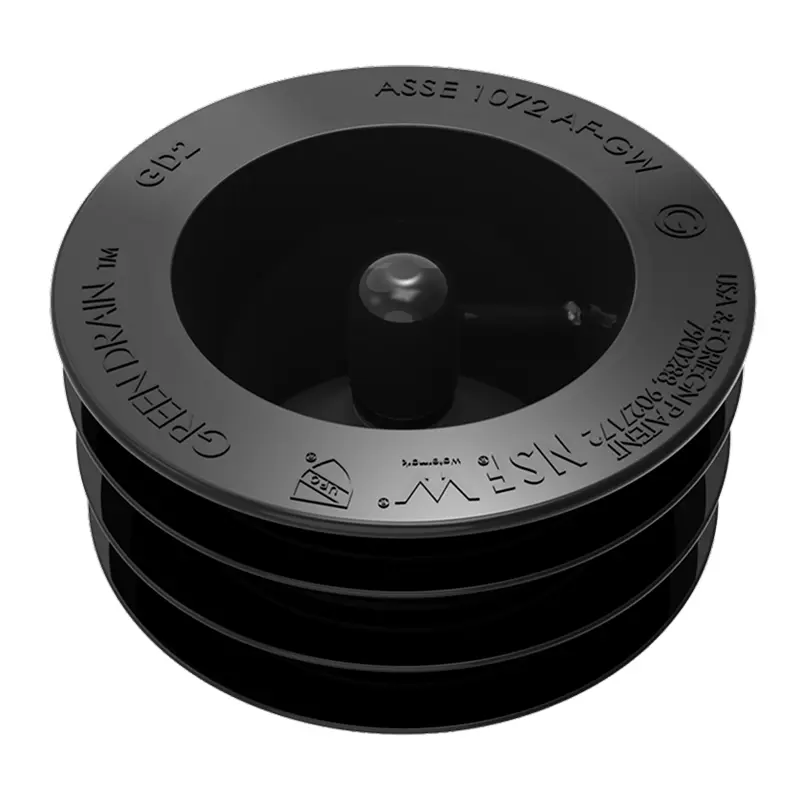
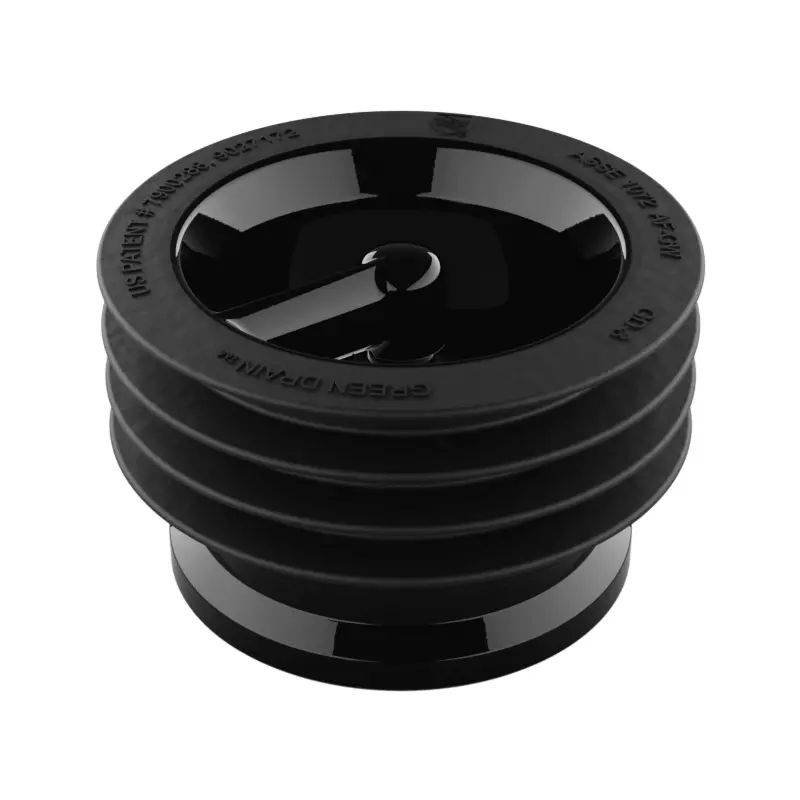
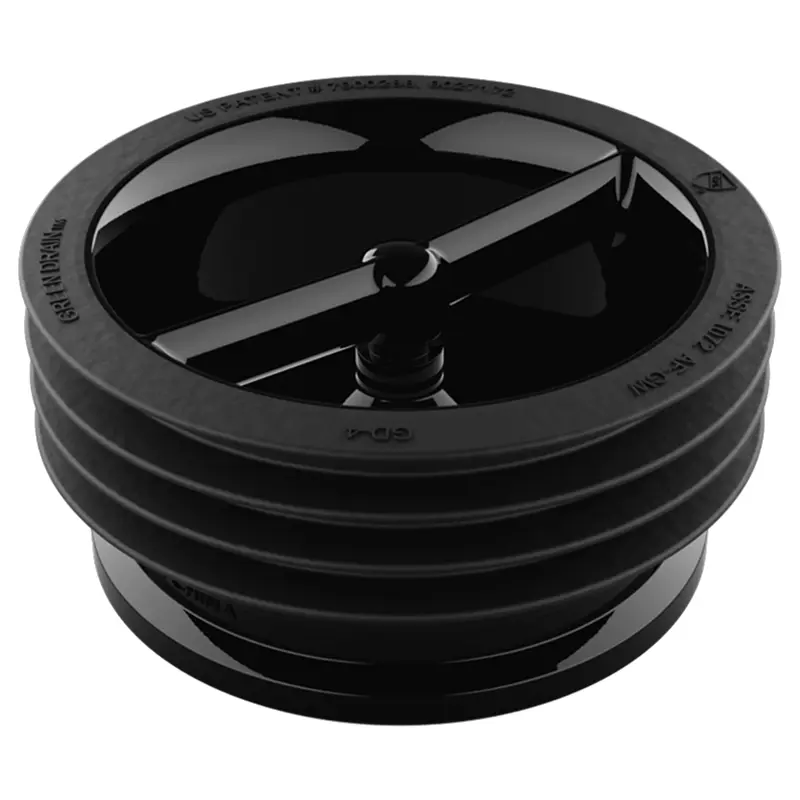
Senior living floor drains typically range from 2" to 4" pipe diameter. The GD3 is the model with published SGS aerosol-retention test data. All models share the same silicone valve design and certification portfolio.
Senior Living Drain Safety Brief
A concise summary of drain-based infection risk in long-term care, SGS test results, certification data, and product sizing for senior living facilities. Share with your operations team or include in your next CMS survey preparation package.
- SGS aerosol-retention test summary with key data points
- CMS survey deficiency prevention checklist
- Product sizing guide for senior living facilities
- ROI summary for facility-wide drain seal programs
Request a Copy
Want this for your facility? Talk to our team for the underlying data, certification results, and specification language.
Contact UsFrequently asked questions.
Are floor drains a documented reservoir concern in nursing homes?
The published literature documents floor drains as environmental reservoirs. The same organisms studied in hospital drain outbreaks, including CRE, MRSA, and Pseudomonas aeruginosa, are present in long-term care facility drainage systems, and when the P-trap water seal evaporates the drain opens as a pathway between the sewer and the occupied space. Green Drain does not prevent infection or interrupt transmission and is not a substitute for your infection prevention program. It is a passive engineering control that restricts the upward movement of air and aerosols from the drain, complementing hand hygiene, environmental cleaning, and the other controls your facility already runs.
Can drain odors cause CMS survey deficiencies in nursing homes?
Yes. CMS surveyors evaluate environmental conditions including odors during facility inspections. Persistent sewer gas odors from unsealed floor drains can result in deficiency citations related to environmental safety and resident quality of life. Green Drain eliminates sewer gas odor at the source by physically sealing the drain pathway.
How does Green Drain help with staffing constraints in senior living?
Green Drain requires minimal ongoing maintenance after installation. There is no water to add, no valves to check, no chemicals to apply, and no flushing schedule to manage. In facilities with limited maintenance staff, eliminating drain seal maintenance from the task list frees resources for other priorities. Installation takes approximately 30 seconds per drain with no tools required.
What does the SGS aerosol-retention test show about Green Drain?
In a controlled bench test, SGS laboratory testing found that Green Drain retained over 99.9% of an aerosolized MS2 bacteriophage viral surrogate (Report QDF25-0049810-01, tested with MS2 bacteriophage ATCC 15597-B1). MS2 is a surrogate used to measure physical retention in a controlled test; this result measures the device's effect on aerosol movement and is not a measure of pathogen retention or infection prevention. Green Drain is a passive engineering control that restricts the upward movement of air and aerosols from the drainage system into the occupied space.
Which Green Drain models are used in senior living facilities?
Senior living floor drains typically range from 2 inches to 4 inches in pipe diameter. The GD2 (2 inch) fits resident room bathroom drains. The GD3 (3 inch) fits utility and corridor drains. The GD4 (4 inch) fits kitchen, laundry, and mechanical room drains.
Is Green Drain safe for use around elderly residents?
Yes. Green Drain is made from medical-grade silicone, installs below the drain grate, and is completely passive. There are no chemicals, no moving mechanical parts accessible to residents, and no electrical components. The device sits inside the drain body, out of sight and out of reach. It does not change the appearance or function of the floor drain for residents or staff.
Seal the drains. Protect the residents.
Every unsealed floor drain in a senior living facility is an uncontrolled pathway between the sewer system and the air your residents breathe. These are people who live in your facility for months and years, not days. Their exposure is continuous. Their immune systems are compromised. Their ability to report problems may be limited.
Green Drain does not replace your existing plumbing infrastructure. It supplements your P-traps with a mechanical seal that never fails due to evaporation, staffing gaps, or maintenance delays. The device works with the drain systems already installed in your facility.
The cost of a CMS deficiency citation or an ongoing odor problem far exceeds the cost of sealing every drain in the building. The solution installs in 30 seconds per drain with no tools and no disruption to residents.
Ready to protect your residents from drain-based risks?
Request a sample, get a facility-wide quote, or talk to a senior living specialist.