Sewer gas in a factory isn't just a smell. It's a safety hazard.
Industrial floor drains connect production areas, loading docks, and warehouse floors directly to the sanitary sewer system. When the P-trap water evaporates, hydrogen sulfide, methane, and other hazardous gases enter the workspace. Green Drain seals that pathway with a mechanical valve that works with your existing plumbing and never relies on water.
Who this page is for.
Whether you are investigating an odor complaint, managing EHS compliance across a manufacturing campus, or specifying drain infrastructure for a new facility, this page gives you the data, certifications, and technical context you need to evaluate waterless trap seal technology for industrial applications.
Plant Managers
You oversee production operations where sewer odor complaints disrupt workflows, trigger OSHA inquiries, and affect worker morale. You need a solution that scales across 50 to 200+ drains, installs without downtime, and eliminates the problem permanently.
EHS Officers
You are responsible for maintaining OSHA compliance, managing H2S exposure risk, and documenting hazard mitigation. Green Drain's certifications, test data, and mechanical seal provide defensible documentation for your EHS program.
Facility Engineers
You design and maintain building systems including plumbing infrastructure. You need a cUPC-listed device that meets ASSE 1072-2020 requirements, handles industrial flow rates, and survives extreme temperature environments from cold storage to high-temperature wash-down.
Maintenance Directors
You manage trap primer systems, respond to odor complaints, and schedule drain maintenance across large facilities. Green Drain eliminates trap primer failures, reduces maintenance labor, and stops the cycle of reactive drain work orders.
Industrial floor drains are an overlooked safety risk.
Every factory, warehouse, and manufacturing plant has floor drains. Production areas, loading docks, wash-down bays, mechanical rooms, restrooms, break rooms, chemical storage areas. Each one connects the building interior to the sanitary sewer system. Each one depends on a small volume of water in a P-trap to maintain the barrier between the occupied space and the gases below.
That water evaporates. In facilities with high ambient temperatures, low humidity, or drains that receive infrequent water flow, the P-trap can dry out in days. In seasonal areas, shut-down zones, or drains located away from regular wash-down routes, it can happen even faster. When it does, the drain becomes an open pipe to the sewer.
Through Industrial Floor Drain
Cross-section showing P-trap evaporation,
H2S and methane pathway into workspace
~760 x 400px
Hydrogen sulfide: the invisible danger
Hydrogen sulfide (H2S) is the primary hazardous gas in sewer systems. It is colorless, heavier than air, and toxic at low concentrations. OSHA sets the permissible exposure limit (PEL) at 20 ppm as an 8-hour time-weighted average, with a ceiling concentration of 50 ppm. At 100 ppm, H2S is classified as immediately dangerous to life or health (IDLH). Workers may lose their sense of smell at higher concentrations, eliminating the warning sign that most people rely on.
In industrial facilities, floor drains are often located in areas with limited ventilation, heavy equipment, and workers focused on production tasks. H2S accumulation near floor level, where drains are located, can expose workers before the odor is even reported. Every unsealed drain is a potential exposure point.
Methane and explosion risk
Sewer gas also contains methane, which is flammable and explosive at concentrations between 5% and 15% by volume in air. In enclosed industrial spaces, particularly those with limited air exchange, unsealed floor drains can allow methane to accumulate. Near ignition sources such as welding equipment, electrical panels, forklifts, or industrial heating systems, this creates a documented explosion risk.
The scale of the problem
A typical industrial facility has between 50 and 200+ floor drains. Large manufacturing plants, distribution centers, and multi-building campuses can have several hundred. Each drain relies on its P-trap water seal. Each trap is subject to evaporation. The traditional solution, trap primers, requires a water supply connection, mechanical or electronic components, and ongoing maintenance for every single drain.
A single trap primer can consume over 52,560 gallons of water per year. For a facility with 100 drains, that totals over 5.2 million gallons annually, at a cost exceeding $21,000 in water alone. That figure does not include primer maintenance, repair, and replacement costs. When a trap primer fails due to clogged valves, mineral deposits, or disconnection during renovations, the drain it serves becomes an open pathway.
Odor, pests, and operational disruption
Beyond the safety hazards, unsealed drains are the primary source of sewer odor complaints in industrial facilities. Persistent odor degrades working conditions, triggers employee complaints, and can prompt regulatory inquiries. Unsealed drains also provide entry points for cockroaches, drain flies, and other pests that travel through sewer systems. In warehousing and distribution operations, pest intrusion from floor drains can affect product integrity, customer audits, and regulatory compliance.
Why traditional approaches fall short.
Trap Primers
Require water supply connections, mechanical or electronic components, and ongoing maintenance for every drain. A single trap primer consumes over 52,560 gallons per year. Across 100 drains, that is 5.2 million gallons and $21,000+ in water costs alone. When they fail due to mineral buildup, stuck valves, or disconnection during plant shutdowns, the seal is lost and the drain becomes an open pipe.
Manual Flushing
Depends entirely on maintenance staff compliance, is labor-intensive across large facilities with hundreds of drains, and provides only temporary protection. The P-trap water starts evaporating again immediately. In facilities running multiple shifts, weekend shutdowns, or seasonal operations, drains are routinely missed. One missed drain is one open pathway.
Drain Caps and Plugs
Permanently sealing a drain with a cap or plug eliminates the gas pathway but also eliminates drainage. When water needs to flow (wash-down, spills, fire suppression), a capped drain is useless. Staff remove caps and forget to replace them. Caps also create slip hazards and code violations when they prevent required drainage capacity.
How Green Drain solves it.
A one-way silicone valve that drops into the existing floor drain body. Water flows down normally. The valve physically blocks sewer gas, pests, and odor from traveling back up through the drain. No water required. No power. Minimal maintenance. Works with your existing P-traps and plumbing infrastructure.
Green Drain valve in drain body
Open (water flowing) vs. Closed (sealed)
~900 x 360px
Odour tight seal
European Technical Assessment (ETA-18/0536) verified 200 Pa odour tightness. The silicone valve creates a continuous mechanical seal that blocks hydrogen sulfide, methane, and all sewer gases from entering the workspace. No evaporation. No failure window.
Proven durability
IAPMO life cycle testing confirmed zero degradation after 2,500 hot and cold water cycles. The silicone valve opens fully under water flow for wash-down, equipment drainage, and high-volume discharge. Built for the demands of industrial environments.
Extreme temperature tolerance
Medical-grade silicone maintains flexibility and seal integrity from -40F through 212F (100C). Rated for cold storage, freezer warehouses, foundries, and high-temperature wash-down environments. The valve does not become brittle in cold or deform in heat.
Mechanical resistance
ETA testing confirmed mechanical resistance exceeding 700 Pa, far surpassing the minimum requirements. Combined with tear strength 93 times the ASSE 1072 minimum, the valve withstands the demands of heavy industrial environments including forklift traffic over drain grates.
Application areas in industrial facilities.
Green Drain fits every drain size found in industrial construction, from 2" restroom drains to 6" trench drains. The following areas represent the highest-priority applications for safety and maintenance teams.
Production Floors
Manufacturing production areas have floor drains for wash-down, equipment drainage, and spill containment. These drains are subject to chemical exposure, temperature extremes, and heavy use. Sewer gas entry on a production floor creates both a safety hazard and an air quality complaint.
Warehouses and Distribution Centers
Large warehouse floors have drains spaced across open areas that may receive very little water flow. These low-use drains are the most likely to dry out and emit sewer odor. In distribution environments, pest intrusion from drains can affect stored product and customer audit scores.
Loading Docks
Loading dock drains are exposed to outdoor temperature swings, receive seasonal storm water, and experience long dry periods between rain events. The combination of temperature variation and intermittent use makes these drains highly susceptible to trap seal evaporation.
Mechanical and Boiler Rooms
Equipment rooms with condensate drains, boiler blow-down drains, and HVAC drainage. These areas often have limited ventilation, making them especially vulnerable to sewer gas accumulation. H2S concentrations can build up in enclosed mechanical spaces without detection.
Cold Storage and Freezer Areas
Drains in cold storage and freezer environments face constant sub-zero temperatures that can freeze P-trap water. When the ice thaws, the water drains away and the seal is lost. Green Drain's silicone valve maintains flexibility and seal integrity at temperatures as low as -40F.
Wash-Down Bays and Chemical Areas
Equipment wash-down areas and chemical processing zones have drains that receive high-temperature water, cleaning agents, and process chemicals. Green Drain's medical-grade silicone provides chemical resistance and handles temperatures up to 212F without deformation.
Maintenance worker installing
Green Drain in factory floor drain
~580 x 380px
Completed installation in large
warehouse floor drain with grate
~580 x 380px
Certifications that matter for industrial facilities.
Green Drain carries the most comprehensive certification portfolio of any waterless trap seal device on the market. The following certifications are most relevant for industrial specification and procurement.

cUPC / ASSE 1072-2020
Plumbing code certification (IAPMO File 9301) confirming Green Drain meets barrier-type floor drain trap seal protection device requirements. IAPMO tested: 32g opening force, 276 L/min max flow (GD4), 2,500+ cycle life, >96% evaporation reduction. Required for code compliance in most U.S. and Canadian jurisdictions.

CE / ETA-18/0536
European Technical Assessment verifying 200 Pa odour tightness, Class A thermal resistance, mechanical resistance exceeding 700 Pa, and tested flow rates. Provides performance data for gas seal integrity under industrial operating conditions.
CRT Membrane Test
Independent membrane testing confirming the silicone valve's physical barrier performance. Validates the device's ability to block gas transmission through the valve membrane under pressure differentials encountered in industrial plumbing systems.

DTI Testing
Danish Technological Institute independent testing. Additional verification of product performance under European standards. Provides supplementary data for international facility specifications and procurement requirements.
Regulatory and code context.
Understanding where Green Drain fits within industrial safety regulations, building codes, and plumbing standards helps EHS officers, facility engineers, and plant managers incorporate drain sealing into their compliance programs.
OSHA 29 CFR 1910.1000: Hydrogen Sulfide Exposure Limits
OSHA sets the permissible exposure limit for H2S at 20 ppm (8-hour TWA) with a ceiling of 50 ppm. Employers are required to identify and mitigate H2S exposure sources in the workplace. Unsealed floor drains connected to sanitary sewer systems are a documented source of H2S in industrial environments. Green Drain provides a mechanical barrier that eliminates this pathway.
ASSE 1072-2020: Barrier-Type Floor Drain Trap Seal Protection Devices
The ASSE standard that defines performance requirements for waterless trap seal devices. Green Drain is tested and listed under this standard. Facility engineers can specify ASSE 1072-2020 compliant devices as the performance standard for barrier-type waterless trap seal protection devices in industrial plumbing systems.
International Plumbing Code (IPC) and Uniform Plumbing Code (UPC)
Both the IPC and UPC address trap seal maintenance requirements for floor drains. Green Drain's cUPC listing (IAPMO File 9301) confirms compliance with these codes as a barrier-type trap seal protection device. Accepted in jurisdictions adopting either code framework.
NFPA and Fire Code: Combustible Gas Management
NFPA standards and local fire codes address the management of combustible gases in occupied buildings. Methane from sewer systems through unsealed drains is a recognized ignition risk. Sealing drains with a mechanical barrier reduces the potential for combustible gas accumulation in enclosed industrial spaces.
Recommended products for industrial facilities.
Industrial floor drains range from 2" restroom drains to 6" trench and equipment drains. All models share the same medical-grade silicone valve design and full certification portfolio. Select based on your drain pipe diameter.
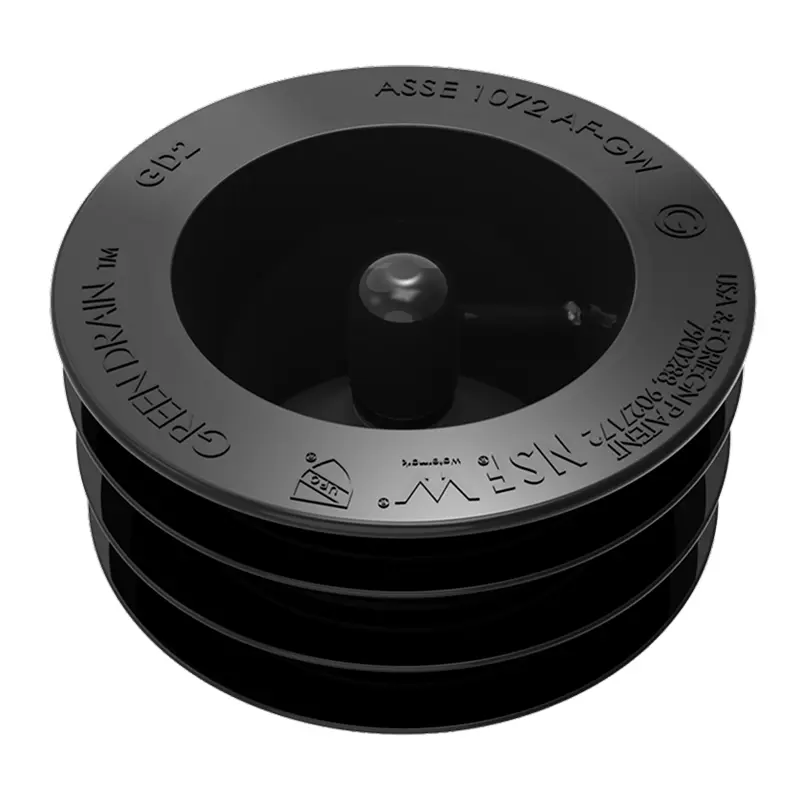
2" Waterless Trap Seal
Restroom drains, break room drains, office area floor drains
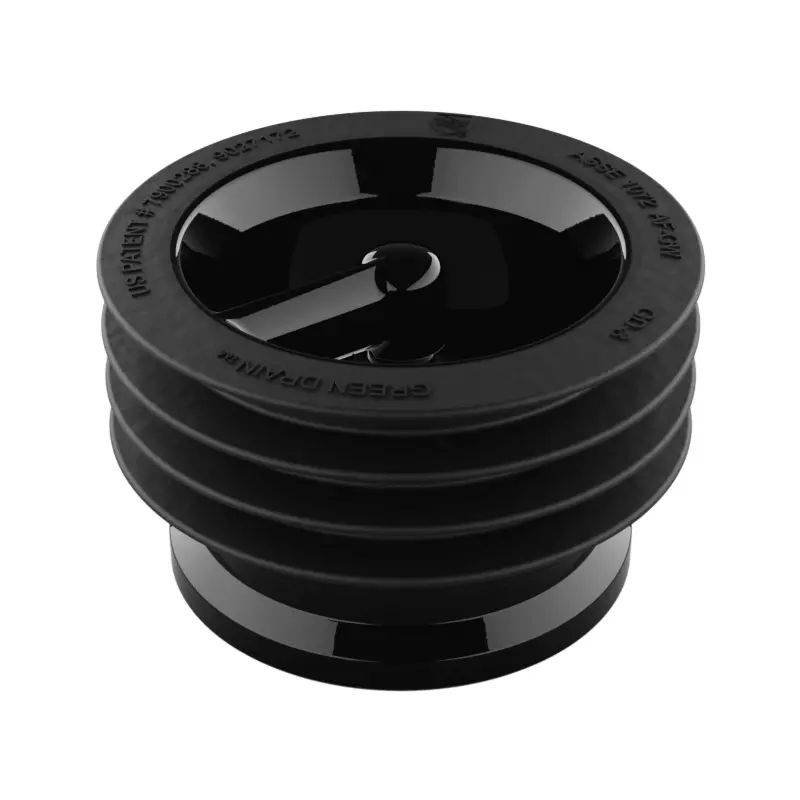
3" Waterless Trap Seal
Mechanical room drains, equipment condensate drains, utility areas
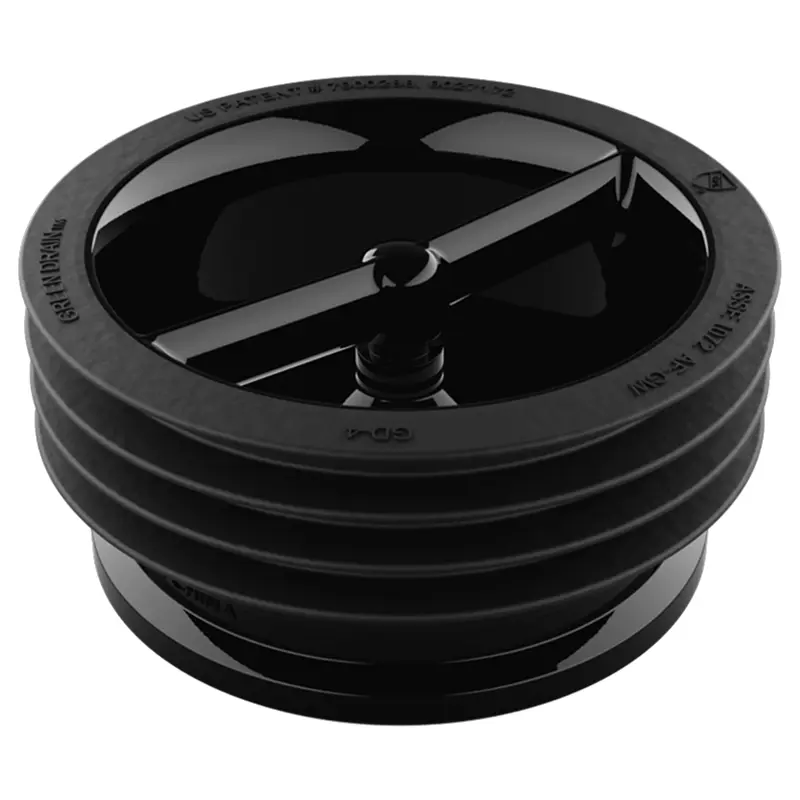
4" Waterless Trap Seal
Production floor drains, wash-down areas, loading dock drains
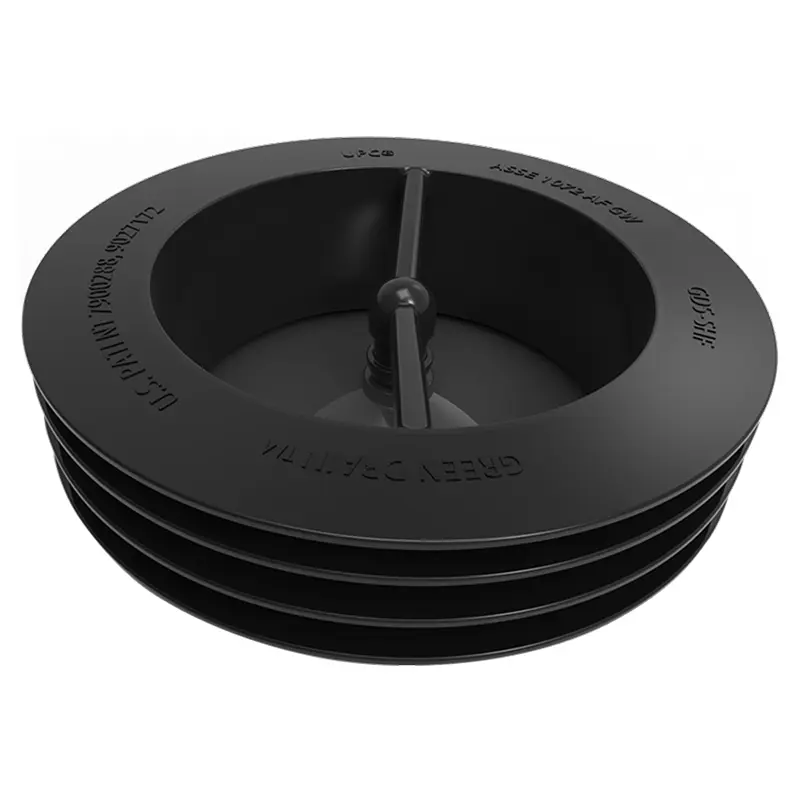
5" Waterless Trap Seal
Large production drains, warehouse floor drains, trench drain connections
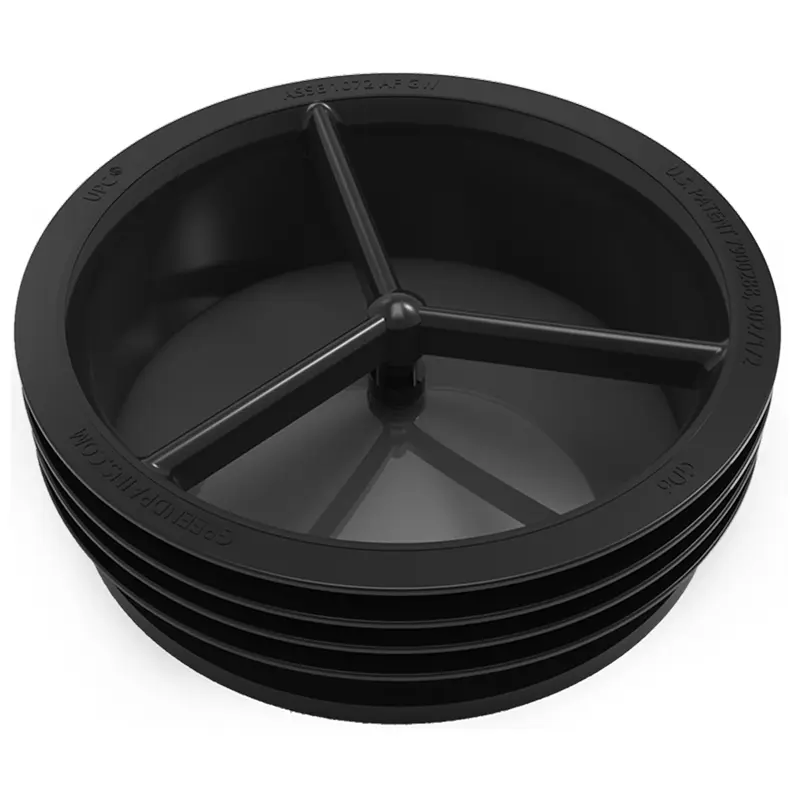
6" Waterless Trap Seal
Large equipment drains, industrial trench drains, central plant drains
Industrial Drain Safety Brief
A concise summary of H2S exposure risks, OSHA compliance data, water and cost savings calculations, and specification language for facility engineers. Share with your EHS team or include in your next safety committee presentation.
- H2S exposure limits and sewer gas hazard summary
- Water and cost savings calculator for trap primer replacement
- Product sizing guide for industrial facilities
- Specification language for facility engineers
Request a Copy
Want this for your facility? Talk to our team for the underlying data, certification results, and specification language.
Contact UsFrequently asked questions.
What are the OSHA permissible exposure limits for hydrogen sulfide (H2S)?
OSHA sets the permissible exposure limit (PEL) for hydrogen sulfide at 20 ppm as an 8-hour time-weighted average, with a ceiling concentration of 50 ppm. H2S is classified as immediately dangerous to life or health (IDLH) at 100 ppm. Workers may lose their sense of smell at higher concentrations, which eliminates the warning sign most people rely on. Unsealed floor drains connected to sanitary sewer systems are a documented source of H2S in industrial environments.
Can sewer gas from floor drains create an explosion risk in factories?
Yes. Sewer gas contains methane, which is flammable and explosive at concentrations between 5% and 15% by volume in air. In enclosed industrial spaces with limited ventilation, unsealed floor drains can allow methane to accumulate near floor level. Near ignition sources such as welding equipment, electrical panels, forklifts, or industrial heating systems, this creates a documented explosion risk. Green Drain seals the drain pathway and prevents sewer gas from entering the workspace.
How does Green Drain perform in extreme temperature environments?
Green Drain is rated for continuous operation from -40F to 212F (100C). The medical-grade silicone valve maintains its flexibility and seal integrity across this full range. It does not become brittle in cold storage environments or deform in high-temperature wash-down applications. This makes it suitable for freezer warehouses, foundries, food processing plants, and any manufacturing environment with temperature extremes.
How many floor drains does a typical industrial facility have?
Industrial facilities typically have between 50 and 200+ floor drains depending on the size and type of operation. Large manufacturing plants, distribution centers, and multi-building campuses can have several hundred. Each drain relies on its P-trap water seal, and each trap is subject to evaporation. Green Drain provides a mechanical seal for every drain regardless of use frequency, eliminating the need to track and maintain individual trap primers.
What is the flow rate capacity of Green Drain for industrial applications?
The GD4 model is IAPMO tested at a maximum flow rate of 73 gallons per minute (GPM). The silicone valve opens fully under water flow and returns to its closed position under its own elastic memory when flow stops. This flow capacity handles industrial wash-down, equipment drainage, spill containment, and high-volume water discharge without restricting throughput or creating backflow conditions.
Is Green Drain resistant to industrial chemicals and solvents?
Green Drain is manufactured from medical-grade silicone, which provides broad chemical resistance to acids, alkalis, and many industrial solvents. The material maintains its structural integrity and seal performance after exposure to common industrial cleaning agents, degreasers, and process chemicals. For specific chemical compatibility questions, contact the Green Drain technical team with details about the chemicals in your process.
How durable is the Green Drain valve in high-traffic industrial settings?
The silicone valve is IAPMO tested to over 2,500 open/close cycles. It has a tear strength that exceeds the ASSE 1072-2020 minimum requirement by 93 times. The valve is designed for heavy use in environments with frequent wash-down cycles, equipment drainage, and forklift traffic over drain grates. No moving parts, no electronics, and no components that wear out under normal industrial operating conditions.
How much water and money can Green Drain save compared to trap primers?
A single trap primer can consume over 52,560 gallons of water per year. For a facility with 100 drains on trap primers, that totals over 5.2 million gallons annually, at a cost exceeding $21,000 in water alone. That figure does not include primer maintenance, repair, and replacement costs. Green Drain eliminates all of this by providing a mechanical seal that requires no water, no power, and minimal maintenance.
Seal the drains. Eliminate the hazard.
Every unsealed floor drain in your facility is an uncontrolled pathway for hydrogen sulfide, methane, odor, and pests. EHS programs that invest in ventilation, PPE, gas monitoring, and safety training while ignoring the open pipes in the floor have a documented blind spot.
Green Drain does not replace your existing plumbing infrastructure. It works with your P-traps by adding a mechanical seal that never fails due to evaporation. The device supplements your existing drainage system with a barrier that stays sealed 24/7, regardless of water presence, temperature, or maintenance schedules.
The cost of a single OSHA citation, a worker compensation claim, or a production shutdown due to sewer gas exposure far exceeds the cost of sealing every drain in the facility. The hazard is documented. The solution is in the drain.
Ready to seal every drain in your facility?
Request a sample, get a facility-wide quote, or talk to an industrial specialist.