Federal buildings have more drains and more reasons they dry out.
Multi-story office complexes, courthouses, and federal campuses have hundreds of floor drains across restrooms, mechanical rooms, janitorial closets, and utility spaces. Many of these drains go weeks without receiving water. When the P-trap seal evaporates, sewer gas and pests enter occupied spaces. Green Drain seals every drain with a mechanical barrier that never dries out, a preventive maintenance solution that meets the rigor federal facility programs require.
Who this page is for.
Whether you manage a single federal building or an entire campus of government facilities, this page provides the technical data, certifications, and operational context you need to evaluate waterless trap seals for your preventive drain maintenance program.
Federal Facility Managers
You manage building operations across large multi-story federal complexes. You need a drain solution that integrates into your preventive maintenance program, eliminates recurring odor complaints, reduces maintenance labor, and scales across hundreds of drains without adding complexity to your operations.
GSA Property Managers
You oversee government-owned and leased properties. You need code-compliant products that can be procured through standard federal channels, documented for budget justification, and deployed across a portfolio of buildings.
Military Base Engineers
You maintain building infrastructure across base housing, administrative buildings, and operational facilities. Drain issues in barracks, mess halls, and office buildings require solutions that install fast, require minimal maintenance, and work at scale.
Courthouse Operations
Federal courthouses have drains in restrooms, mechanical spaces, and holding areas that may see irregular use. Odor and pest complaints in public-facing judicial spaces require a permanent, low-maintenance solution.
The drain problem in federal buildings is a scale problem.
A 14-story federal office building can have 300 to 500 floor drains. Add a courthouse annex, a parking structure, and a central utility plant, and the count climbs into the thousands. Each of those drains relies on a small volume of water sitting in a P-trap to block sewer gas from entering the building. That water evaporates. In climate-controlled federal buildings with low humidity and high air exchange rates, it can evaporate in days.
The result is predictable. Maintenance staff receive odor complaints. They dispatch someone to pour water down the drain. The smell goes away for a few days or weeks, then comes back. The cycle repeats. In buildings with hundreds of drains spread across multiple floors, keeping every trap primed with water is a losing battle.
Drain Infrastructure
Multi-story building cross-section showing
drain locations by floor and use area
~760 x 400px
Why federal building drains dry out faster
Federal office buildings present specific conditions that accelerate P-trap evaporation. HVAC systems designed for large commercial spaces maintain low humidity levels. Many drains are located in spaces that receive little or no regular water flow: conference room restrooms used only during scheduled events, mechanical rooms accessed monthly, janitorial closets on low-occupancy floors, and restrooms in wings with reduced staffing.
Courthouses add another layer of complexity. Holding areas, chambers, and public restrooms may see heavy use during court sessions and almost no use during recesses. Military installations have barracks, mess halls, and administrative buildings where occupancy patterns shift with deployment cycles and seasonal training schedules.
The maintenance burden is real
When a federal facility manager assigns maintenance staff to a weekly drain flushing program, the labor cost adds up quickly. Visiting 300 drains across 14 floors, pouring water into each one, logging the activity for compliance records. That is a significant allocation of maintenance hours that could be directed toward higher-priority building systems. And when a drain gets missed, the complaint cycle starts over.
Trap primers offer an alternative, but they introduce their own maintenance requirements. Each trap primer needs a water supply connection, periodic inspection, and eventual replacement when valves clog with mineral deposits or fail mechanically. In aging federal infrastructure, trap primer failures are common, and the cost of maintaining hundreds of them across a campus is substantial.
Pest entry through dry drains
Sewer gas is not the only thing that enters a building through an unsealed drain. Cockroaches, drain flies, and other pests use dry drain lines as direct pathways from the sewer system into occupied spaces. In federal buildings where public-facing areas and professional work environments must meet certain standards, pest complaints generate work orders, contractor callouts, and occupant dissatisfaction.
Chemical pest treatments address the symptom but not the entry point. As long as the drain is unsealed, pests have a direct pathway into the building. Green Drain physically blocks that pathway, working alongside your existing P-trap to provide a mechanical seal that pests cannot bypass.
Why traditional approaches fall short.
Manual Drain Flushing Programs
Assigning maintenance staff to pour water down hundreds of drains on a weekly or biweekly schedule is labor-intensive, difficult to track, and provides only temporary protection. The P-trap water starts evaporating immediately after flushing. Missed drains result in odor complaints and pest entry. The labor cost across a large federal campus is significant.
Trap Primers
Each trap primer requires a water supply connection, mechanical components, and periodic maintenance. In aging federal buildings, trap primer failures are common. Mineral deposits clog valves, supply lines corrode, and units fail silently. A single trap primer can consume over 52,000 gallons of water per year. Multiply that across hundreds of drains and the water waste is substantial.
Enzyme and Chemical Treatments
Pouring enzyme solutions or chemical treatments into drains provides temporary odor reduction but does not prevent sewer gas from passing through a dry P-trap. These treatments require regular replenishment, create a recurring supply cost, and do not block pest entry. They treat the symptom without addressing the root cause.
How Green Drain solves it.
A one-way silicone valve that drops into the existing floor drain body. Water flows down normally. The valve physically blocks sewer gas, odors, and pests from traveling back up through the drain. No water required. No power. Minimal maintenance. Install it once as a preventive maintenance measure and move on to higher-priority work.
Green Drain valve in drain body
Open (water flowing) vs. Closed (sealed)
~900 x 360px
Continuous mechanical seal
The silicone valve maintains a seal around the clock, regardless of whether the drain receives water. Nothing evaporates. No evaporation window during which the seal is lost. No staff compliance required. The drain stays sealed whether the building is fully occupied or closed for a holiday.
Installation per drain
Remove the grate, drop the device into the drain body, press to seat the gasket, replace the grate. No tools. No plumbing modifications. No disruption to building operations. A maintenance crew can outfit an entire floor of a federal office building in an afternoon.
Minimal ongoing maintenance
Once installed, Green Drain requires no water, no power, and no consumable supplies. Eliminates the recurring labor cost of manual flushing programs and the ongoing maintenance burden of trap primer systems. Easy to inspect and replace when needed.
Zero water consumption
Eliminates the tens of thousands of gallons consumed annually by trap primer systems. For federal facilities subject to water efficiency mandates and sustainability reporting, Green Drain provides a measurable, documentable reduction with no operational tradeoff.
Application areas in federal buildings.
Green Drain fits every drain size found in federal building construction. The following areas represent the most common locations where dry P-traps create odor, gas, and pest problems.
Restrooms
Floor drains in restrooms across every floor of a federal office building. Restrooms on low-occupancy floors, near conference rooms, or in wings with reduced staffing are especially vulnerable to trap seal evaporation between uses.
Mechanical and Utility Rooms
Boiler rooms, chiller plants, electrical rooms, and HVAC equipment spaces have floor drains that receive condensate and occasional wash-down water. These low-traffic spaces are prime locations for trap seal evaporation and persistent sewer gas odor.
Janitorial Closets
Floor drains in janitorial closets receive mop water periodically but can dry out between uses, especially on floors with reduced custodial schedules. These small spaces concentrate sewer gas odor quickly when the trap seal fails.
Courtrooms and Holding Areas
Federal courthouses have drains in restrooms, holding areas, and utility spaces that may see irregular use depending on court schedules. Odor and pest complaints in these public-facing judicial environments require a permanent, reliable solution.
Kitchen and Break Room Areas
Cafeterias, break rooms, and food preparation areas in federal buildings have floor drains for wash-down and sanitation. Green Drain carries NSF/ANSI 2 certification for food equipment material safety, supporting compliance in these areas.
Parking Structures and Loading Docks
Below-grade parking areas and loading docks have floor drains that connect to the sanitary sewer system. These drains are especially prone to pest entry from the sewer network and sewer gas buildup in enclosed spaces.
Maintenance worker installing
Green Drain in government facility
~580 x 380px
Completed installation in
federal building utility space
~580 x 380px
What federal facility managers are saying.
"I was introduced to this product thru a referral from a trusted colleague. I needed a solution for drains that do not see frequent use in a federal government office complex that consists of a 14 story high rise and three federal court houses. We were experiencing foul odors and frequent finding insect problems in these areas. Once installed the Green Drain solved our issues. No more need to flush the drains or add enzymes. This product really works! My maintenance and housekeeping staff give it a thumbs up! I highly recommend this product if you have similar issues."
Certifications that matter for government procurement.
Green Drain carries the certifications needed for federal building specification and procurement. The following credentials support code compliance, budget justification, and specification language for government projects.

cUPC / ASSE 1072-2020
Plumbing code certification (IAPMO File 9301) confirming Green Drain meets barrier-type floor drain trap seal protection device requirements. IAPMO tested: 32g opening force, 276 L/min max flow (GD4), 2,500+ cycle life, >96% evaporation reduction. Required for code compliance in U.S. and Canadian jurisdictions. Provides the specification language needed for government purchase orders.

CE / ETA-18/0536
European Technical Assessment verifying 200 Pa odour tightness, Class A thermal resistance, mechanical resistance exceeding 400 Pa, and tested flow rates. Relevant for U.S. government facilities overseas and international military installations.
NSF/ANSI 2
Material safety certification for food-contact environments. Relevant for federal building cafeterias, break rooms, and food preparation areas where floor drains require food safety compliance.
California Proposition 65
Green Drain materials are compliant with California Proposition 65 requirements. No warnings required. Relevant for federal facilities in California and for procurement programs that apply Prop 65 standards across all locations.
Regulatory and code context.
Understanding where Green Drain fits within federal building codes and procurement frameworks helps facility managers, engineers, and contracting officers incorporate drain sealing into specifications and purchase orders.
ASSE 1072-2020: Barrier-Type Floor Drain Trap Seal Protection Devices
The ASSE standard that defines performance requirements for waterless trap seal devices. Green Drain is tested and listed under this standard. When specifying for federal projects, reference ASSE 1072-2020 as the performance standard for barrier-type WTSPD.
International Plumbing Code (IPC) and Uniform Plumbing Code (UPC)
Federal buildings typically follow IPC or UPC requirements depending on jurisdiction. Both codes recognize barrier-type trap seal protection devices as compliant methods for maintaining floor drain trap seals. Green Drain's cUPC listing satisfies these requirements.
CSI MasterFormat 22 13 16: Sanitary Waste and Vent Piping
For architects, engineers, and specifiers working on federal construction projects, Green Drain can be included in specifications under CSI MasterFormat section 22 13 16. Specify as "barrier-type floor drain trap seal protection device per ASSE 1072-2020, cUPC listed."
Federal Water Efficiency Mandates
Executive orders and GSA directives require federal facilities to reduce water consumption. Each trap primer replaced with Green Drain can eliminate over 52,000 gallons of annual water consumption. This provides a documentable, measurable contribution to facility sustainability goals.
Recommended products for federal buildings.
Federal building floor drains typically range from 2" to 4" pipe diameter depending on the area. All models share the same silicone valve design and certification portfolio. The GD2 covers restrooms, the GD3 handles utility areas, and the GD4 fits large mechanical room and kitchen drains.
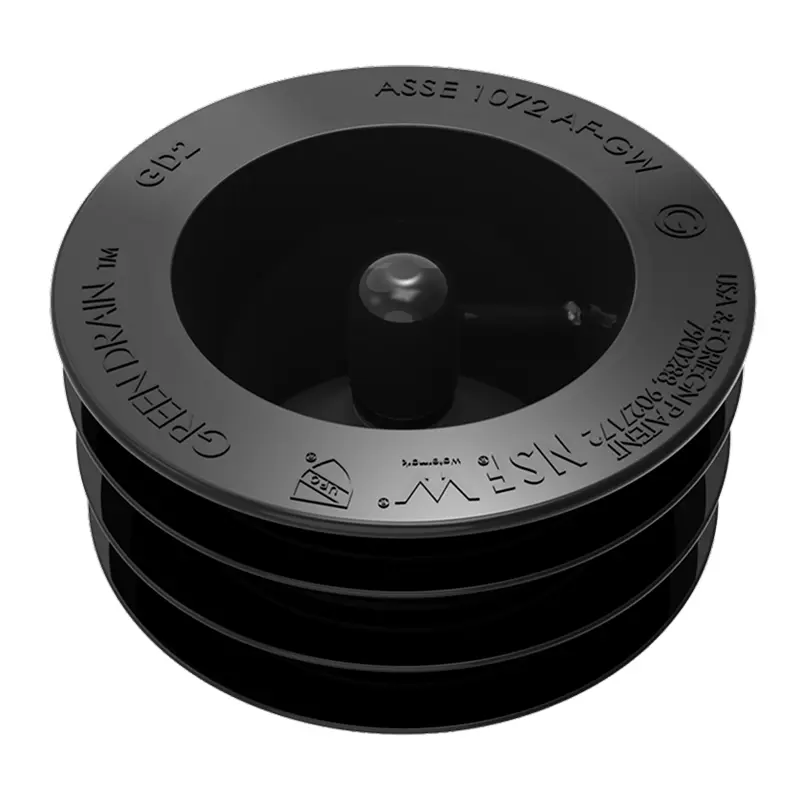
2" Waterless Trap Seal
Restroom floor drains, janitorial closet drains, small utility room drains
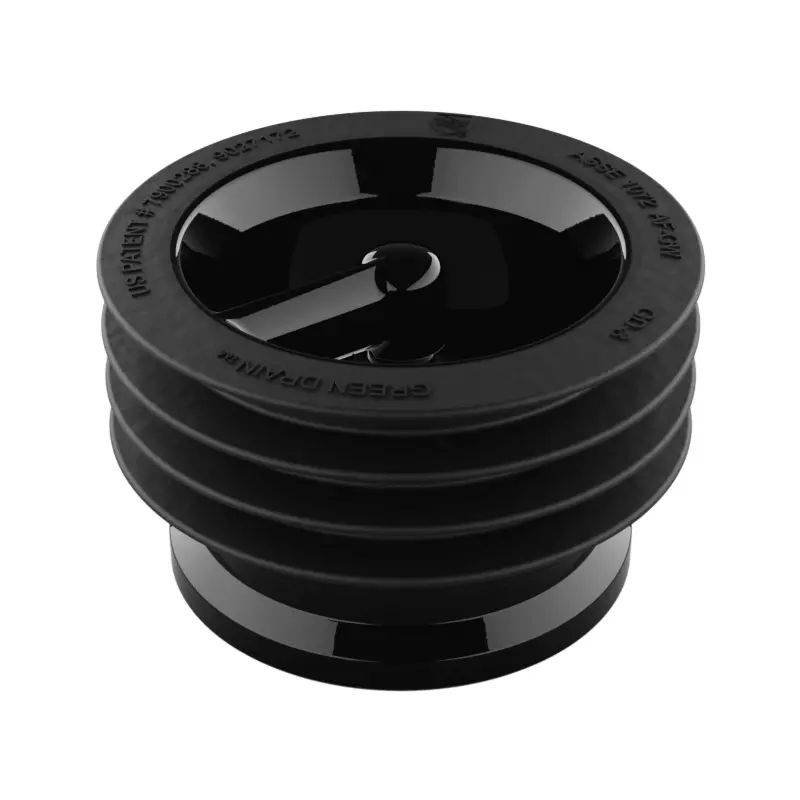
3" Waterless Trap Seal
Utility room drains, corridor drains, courthouse drains, mid-size floor drains
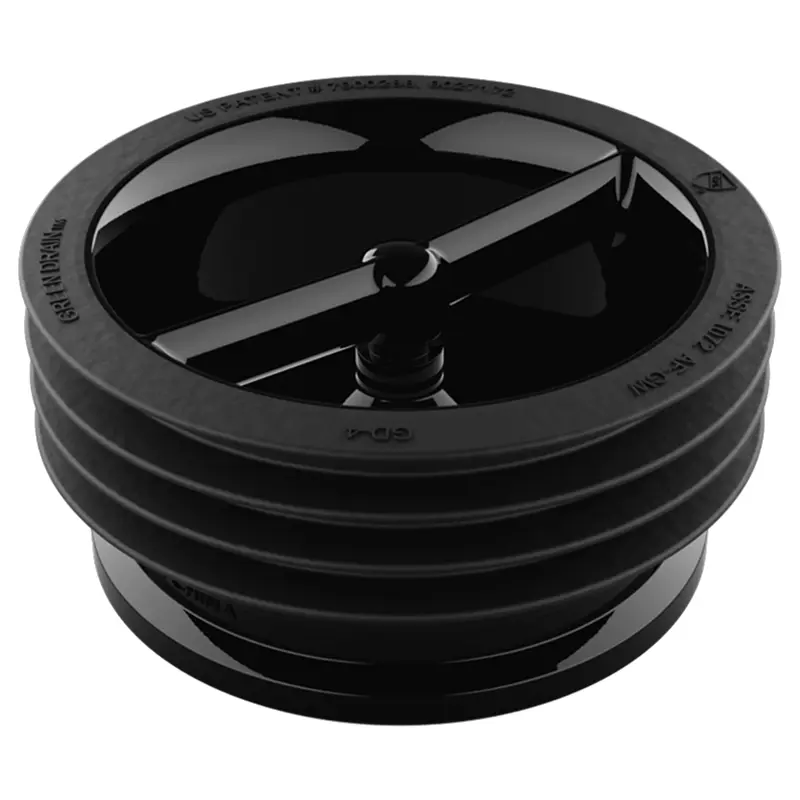
4" Waterless Trap Seal
Mechanical room drains, kitchen floor drains, loading dock drains, large utility drains
Federal Facility Drain Management Brief
A concise summary of the dry drain problem in government buildings, product certifications, specification language, and ROI data for budget justification. Share with your contracting officer or include in your next facility maintenance review.
- Product specification and certification summary
- CSI MasterFormat specification language
- Budget justification data and ROI analysis
- Product sizing guide for federal building drain types
Request a Copy
Want this for your facility? Talk to our team for the underlying data, certification results, and specification language.
Contact UsFrequently asked questions.
Can Green Drain be purchased through GSA procurement channels?
Green Drain can be specified and procured through standard federal procurement processes. The product is cUPC listed (IAPMO File 9301) and compliant with ASSE 1072-2020, which provides the specification language needed for government purchase orders and contract line items. Contact our team for assistance with procurement documentation and sole-source justification if needed.
Does Green Drain meet federal building plumbing codes?
Yes. Green Drain is cUPC listed and compliant with ASSE 1072-2020, the standard for barrier-type floor drain trap seal protection devices. It meets the requirements of the International Plumbing Code (IPC) and Uniform Plumbing Code (UPC), both of which are adopted by federal building standards. The device can be specified under CSI MasterFormat section 22 13 16 (Sanitary Waste and Vent Piping).
How many drains are typically in a federal office building?
A mid-size federal office building (10-15 stories) typically has 200 to 500 floor drains across restrooms, mechanical rooms, janitorial closets, kitchen areas, and utility spaces. Multi-building campus complexes, including courthouses, can have thousands. Green Drain is designed for this kind of scale deployment, with 30-second installation per drain and no ongoing maintenance.
Why do floor drains in federal buildings dry out?
Federal buildings often have drains in spaces that receive infrequent water flow: mechanical rooms, vacant offices, courtrooms used on limited schedules, conference areas, and storage rooms. The P-trap water that normally seals these drains evaporates over time, especially in climate-controlled environments with low humidity and high air exchange rates. Once the water evaporates, the drain becomes an open pathway for sewer gas and pests.
How does Green Drain help with budget justification?
Green Drain eliminates recurring costs associated with manual drain flushing programs, trap primer maintenance, enzyme treatments, and pest control callbacks related to drain entry points. A single installation provides years of low-maintenance protection. The device also eliminates tens of thousands of gallons of annual water consumption per trap primer replaced, supporting federal sustainability mandates and providing documentable savings for budget reviews.
Can Green Drain be installed without disrupting building operations?
Yes. Installation takes approximately 30 seconds per drain. Remove the grate, drop the device into the drain body, press to seat the gasket, and replace the grate. No tools required. No plumbing modifications. No disruption to building occupants. A maintenance crew can outfit an entire floor in an afternoon without closing any spaces to occupants.
What sizes does Green Drain come in for federal building drains?
Federal building floor drains typically range from 2 to 4 inches in pipe diameter. The GD2 (2 inch) fits restroom and janitorial drains. The GD3 (3 inch) fits utility room and corridor drains. The GD4 (4 inch) fits mechanical rooms, kitchen areas, and large floor drains. All models share the same silicone valve design and certification portfolio.
Is Green Drain compliant with federal water conservation requirements?
Green Drain requires zero water to maintain the drain seal. Each trap primer it replaces can eliminate over 52,000 gallons of annual water consumption. For federal facilities subject to Executive Order mandates on water efficiency and sustainability, Green Drain provides a measurable, documentable reduction in water use with no operational tradeoff.
Seal the drains. Eliminate the complaints.
Every unsealed floor drain in a federal building is generating odor complaints, enabling pest entry, and consuming maintenance labor. The problem scales with the building. A 14-story complex with three courthouses has thousands of drains, and every one of them relies on a few inches of water that is constantly evaporating.
Green Drain does not replace your existing plumbing. It works with your P-traps, adding a mechanical seal that never fails due to evaporation. One device per drain. 30 seconds to install. No tools. Minimal maintenance. No recurring cost.
The math is straightforward. The cost of sealing every drain in a federal complex is a fraction of the annual labor spent on manual flushing, trap primer maintenance, and pest control callbacks. Install once and redirect those resources where they are needed most.
Ready to eliminate drain complaints across your facility?
Request a sample, get a facility-wide quote, or talk to a government facilities specialist.