The Corrosion Risk Hiding Under Your Raised Floor
H2S from unsealed floor drains corrodes copper and silver in circuit boards. In raised floor environments, the plenum distributes that corrosive gas to every rack in the data hall. Green Drain seals the pathway with a pressure-tested mechanical barrier that installs without downtime.
Who this page is for.
Whether you are managing facility systems for a hyperscale campus, operating a colocation facility, or maintaining critical infrastructure in an enterprise data center, this page provides the technical data, certifications, and context you need to evaluate drain seal technology for equipment protection.
Data Center Facility Managers
You manage the physical infrastructure that keeps IT systems running. Floor drains under the raised floor are out of sight but not out of consequence. This page covers the corrosion mechanism, ASHRAE guidelines, and the case for sealing every drain in the facility.
Critical Environment Engineers
You design and maintain the environmental controls that protect sensitive electronics. ASHRAE TC 9.9 gaseous contamination guidelines define the acceptable envelope. This page explains how unsealed drains can push your environment outside that envelope.
Colocation Operators
You house customer equipment and are contractually obligated to maintain environmental conditions. An environmental contamination event that damages customer hardware is a liability and reputation risk. Sealing drains is a preventive measure with minimal cost and zero operational impact.
Building Engineers
You maintain the building systems including plumbing, HVAC, and raised floor infrastructure. Green Drain is cUPC listed, installs in 30 seconds per drain, and eliminates drain seal maintenance from your task list permanently.
The corrosion risk you cannot see is the one that matters most.
Data centers are designed to control every environmental variable that affects equipment reliability: temperature, humidity, particulate contamination, and airflow. But one contamination source often goes unaddressed. Floor drains beneath the raised floor connect the data hall environment to the sanitary drainage system. When the P-trap water seal evaporates, hydrogen sulfide (H2S) and other corrosive gases travel upward through the open drain and into the space where your equipment operates.
In a raised floor environment, this is not a localized problem. The under-floor plenum distributes supply air to every perforated tile and cable cutout in the data hall. Any gas that enters the plenum is carried by the cooling system to equipment across the entire floor. A single unsealed drain can introduce corrosive gas to hundreds of racks.
via Raised Floor Plenum
Cross-section showing drain, plenum,
perforated tiles, equipment racks
~760 x 400px
How H2S damages electronics
Hydrogen sulfide reacts with copper to form copper sulfide (Cu2S), a compound that increases electrical resistance at connection points and degrades signal integrity. It reacts with silver to form silver sulfide (Ag2S), which causes similar degradation to solder joints and contact surfaces. These reactions occur at concentrations measured in parts per billion. You do not need to smell sewer gas for it to be corroding your equipment.
The damage is cumulative and progressive. Circuit board traces develop increased resistance. Connector pins degrade. Solder joints weaken. The symptoms appear as intermittent failures, increased error rates, and premature component replacement. By the time the root cause is identified as gaseous contamination, the damage to installed equipment may already be extensive.
ASHRAE TC 9.9 and gaseous contamination
ASHRAE Technical Committee 9.9 publishes guidelines for environmental conditions in data centers, including gaseous contamination. The classification system ranges from G1 (mild, suitable for enterprise hardware with standard environmental controls) through GX (severe, expected to cause equipment damage). H2S is one of the gases specifically addressed in these guidelines.
A data center environment that maintains G1 conditions for temperature and humidity but has an unsealed drain introducing H2S into the plenum may be operating at G2 or worse for gaseous contamination. The environmental monitoring systems that track temperature and humidity typically do not measure gaseous contamination continuously. The risk is present but invisible to standard monitoring.
Out of sight, out of mind
Floor drains under raised floor tiles are, by definition, hidden from view. They receive attention only when there is a visible water event or a noticeable odor. In a data center with high air exchange rates and filtration, low-level H2S may not produce a noticeable smell at the breathing zone even while it is corroding equipment at rack level. The drains can be unsealed for months or years without anyone noticing, all while corrosive gas is being distributed to equipment.
Install without downtime
In a data center, any activity that requires equipment downtime is a major operational event. Green Drain installs by lifting a raised floor tile, dropping the device into the drain body, and replacing the tile. No plumbing modifications. No power interruptions. No equipment rack relocation. The entire process takes approximately 30 seconds per drain and can be performed during normal operations without affecting any IT systems.
Why traditional approaches fall short in data centers.
Trap Primers
Require water supply connections and mechanical components in the raised floor environment. Water leaks from trap primer systems are a significant risk in data centers where water and electronics do not coexist. Primer failures leave drains unsealed, and repairs require access beneath the raised floor near active equipment.
Manual Flushing
Requires lifting raised floor tiles near active equipment to access drains. In a data center environment, any activity that introduces water near equipment carries risk. Manual flushing also depends on staff compliance and scheduling, and the P-trap water begins evaporating again immediately after flushing.
Ignoring the Problem
The most common approach. Floor drains under the raised floor are hidden. The corrosion is progressive and not immediately visible. Equipment failures are attributed to component age or manufacturing defects rather than environmental contamination. The root cause goes unaddressed while the damage accumulates.
How Green Drain solves it.
A one-way silicone valve that drops into the existing floor drain body beneath the raised floor. Water flows down normally in the event of a spill or condensate. The valve physically blocks H2S, sewer gas, and odors from traveling back up through the drain into the plenum. No water required. No power. Minimal maintenance. No downtime.
Green Drain valve in drain body
Open (water flowing) vs. Closed (sealed)
~900 x 360px
Pressure-tested seal
CE/ETA-18/0536 testing confirmed odour tightness at 200 Pa and mechanical resistance exceeding 400 Pa. The seal prevents H2S and other corrosive gases from entering the raised floor plenum, regardless of HVAC pressure differentials or building stack effects.
Downtime for installation
Lift the floor tile. Drop in the device. Replace the tile. No tools, no plumbing modifications, no equipment power-down, no rack relocation. Installation does not touch, move, or affect any IT infrastructure. A crew can seal every drain in a data hall during normal operations.
Continuous mechanical seal
The silicone valve maintains a seal around the clock, regardless of whether the drain receives water. In data centers where drains may go years without significant water flow, the mechanical seal provides continuous protection where a water-based seal would have evaporated long ago.
Zero water risk
Unlike trap primers, Green Drain introduces no water supply connections into the raised floor environment. No water lines to leak. No valves to fail. No risk of water damage to equipment from a drain maintenance system. The device is completely passive and dry.
Application areas in data center facilities.
Green Drain fits the drain sizes found in data center construction. The following areas represent the highest-priority applications for critical environment protection.
Data Hall Floor Drains
Floor drains beneath the raised floor in data halls are the primary risk location. These drains are hidden from view, receive little or no water flow, and connect directly to the plenum space that distributes supply air to equipment. Sealing these drains is the highest-priority application.
UPS and Battery Rooms
Battery rooms have floor drains for spill containment and wash-down. These rooms house critical power infrastructure. H2S corrosion of UPS components and battery monitoring systems can affect the reliability of backup power. Chemical resistance of the silicone valve is relevant for battery room environments.
Mechanical and Cooling Plant
Chiller plants, cooling tower rooms, and mechanical spaces have floor drains that receive condensate and equipment drainage. These areas support the cooling infrastructure that keeps the data center operational. Sewer gas in these spaces affects both air quality and equipment longevity.
Network Operations Center (NOC)
NOC facilities have floor drains in restrooms and utility areas that share HVAC systems with the operations environment. Sewer gas odor in a 24/7 operations center affects staff comfort and focus. Green Drain eliminates the odor source permanently.
Loading Docks and Staging
Loading docks and equipment staging areas have floor drains that serve wash-down and water collection. These areas are transitional spaces where equipment moves between exterior and interior environments. Sealed drains prevent pest and gas entry through these transition points.
Office and Support Areas
Restrooms, break rooms, and support spaces within the data center campus have standard floor drains. While not directly housing equipment, these areas share building infrastructure with critical spaces. Sealing all drains facility-wide ensures no pathway is left open.
Engineer lifting raised floor tile
and installing Green Drain in drain body
~580 x 380px
Completed installation beneath
raised floor, tile back in place
~580 x 380px
Certifications and testing that matter for data centers.
Green Drain carries one of the most comprehensive certification portfolios of any waterless trap seal device on the market, backed by independent test reports. The certifications and test reports below are most relevant for data center specification and procurement.
cUPC / ASSE 1072-2020
Plumbing code certification (IAPMO File 9301) confirming Green Drain meets barrier-type floor drain trap seal protection device requirements. IAPMO tested: 32g opening force, 276 L/min max flow (GD4), 2,500+ cycle life, >96% evaporation reduction. Required for code compliance in data center construction projects.

CE / ETA-18/0536
European Technical Assessment verifying 200 Pa odour tightness, Class A thermal resistance, and mechanical resistance exceeding 400 Pa. The 200 Pa pressure test is the most relevant data point for data center engineers evaluating seal performance against HVAC pressure differentials in raised floor environments.
CRT Membrane Test Report
Independent membrane test report confirming seal integrity under repeated cycling, pressure differentials, and material stress. Validates long-term durability in demanding environments with high thermal and chemical exposure. This is a test report, not a certification.

DTI Test Reports
Danish Technological Institute test reports providing independent verification of performance claims. Include material durability, chemical resistance, flow rate, and seal performance data relevant to critical environment specifications. These are independent test reports, not certifications.
Standards and guidelines context.
Understanding where Green Drain fits within data center environmental standards and construction codes helps facility managers and critical environment engineers incorporate drain sealing into facility specifications.
ASHRAE TC 9.9: Gaseous and Particulate Contamination Guidelines
ASHRAE TC 9.9 classifies data center environmental contamination severity from G1 (mild) to GX (severe). H2S is a specific contaminant addressed in these guidelines. Sealing floor drains is a practical measure to reduce one source of gaseous contamination that can push a facility from G1 toward more severe classifications. Green Drain prevents H2S from entering the data hall environment through the drainage system.
Uptime Institute Tier Standards
Uptime Institute Tier classifications address facility reliability and redundancy. While drain sealing is not a specific Tier requirement, environmental contamination that leads to equipment failure affects the operational reliability that Tier classifications are designed to ensure. Sealing drains is a low-cost, low-risk measure that supports overall facility reliability goals.
ASSE 1072-2020: Barrier-Type Floor Drain Trap Seal Protection Devices
This is the ASSE standard that defines performance requirements for waterless trap seal devices. Green Drain is tested and listed under this standard. When specifying for new data center construction or retrofit projects, reference ASSE 1072-2020 as the performance standard for barrier-type WTSPD.
Recommended products for data centers.
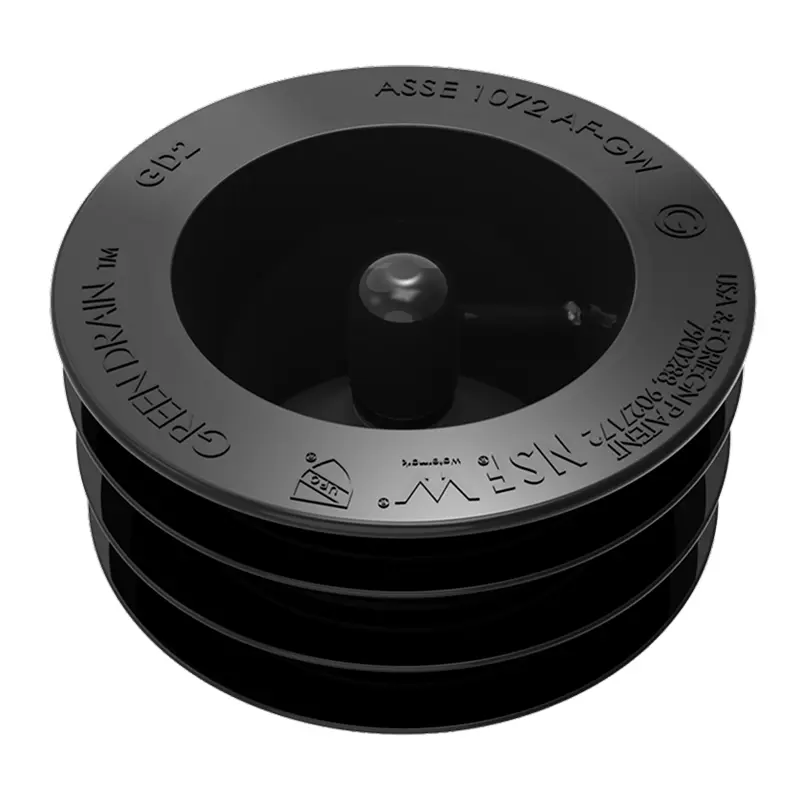
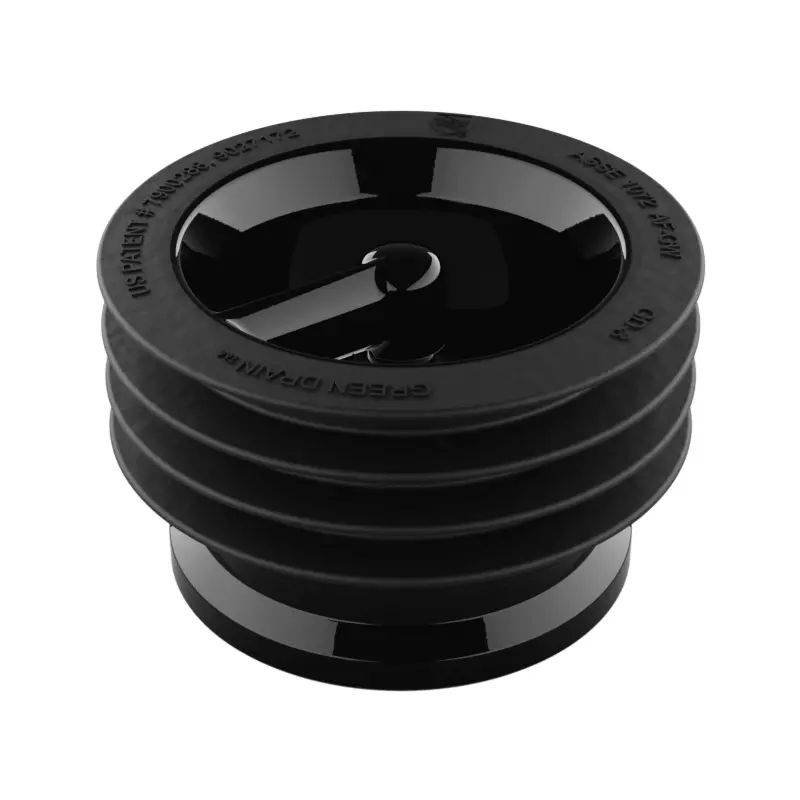
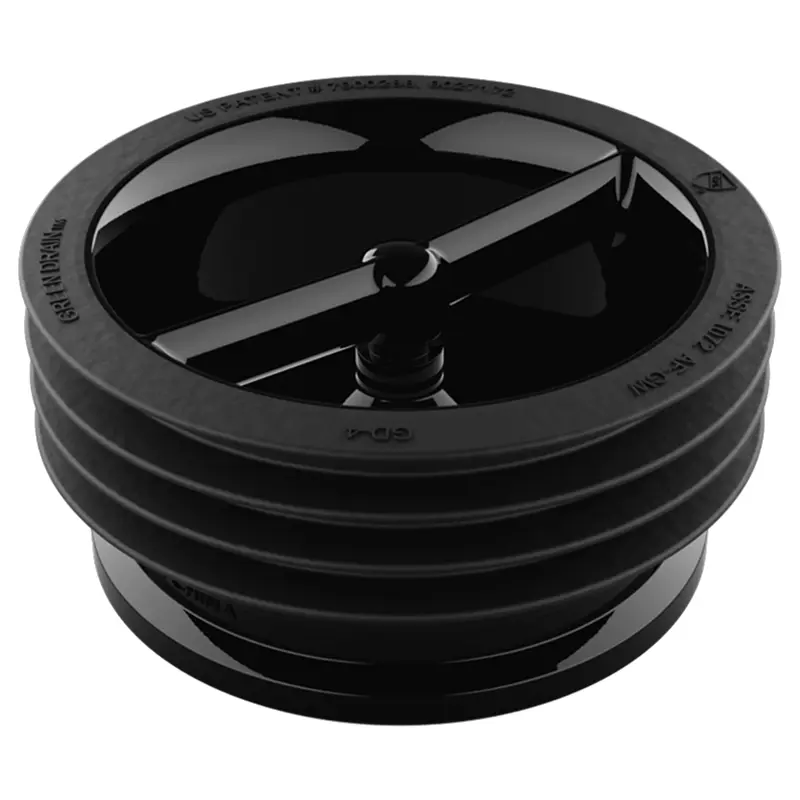
Data center floor drains typically range from 2" to 4" pipe diameter. All models share the same silicone valve design, 200 Pa pressure-tested seal, and certification portfolio.
Data Center Drain Safety Brief
A concise summary of H2S corrosion risk in data center environments, ASHRAE TC 9.9 gaseous contamination context, certification data, and product sizing for critical facility drain infrastructure. Share with your facilities engineering team.
- H2S corrosion mechanism for copper and silver
- ASHRAE TC 9.9 gaseous contamination overview
- CE/ETA pressure test and seal performance data
- Product sizing guide for data center drain types
Request a Copy
Want this for your facility? Talk to our team for the underlying data, certification results, and specification language.
Contact UsFrequently asked questions.
Can sewer gas damage data center equipment?
Yes. Hydrogen sulfide (H2S) in sewer gas is highly corrosive to copper and silver, both of which are used extensively in circuit board traces, connectors, and solder joints. Even at low concentrations (parts per billion), H2S reacts with these metals to form sulfide compounds that increase electrical resistance, cause signal degradation, and eventually lead to component failure. ASHRAE TC 9.9 guidelines classify gaseous contamination severity from G1 (mild) to GX (severe), and H2S from unsealed drains can push a data center environment beyond acceptable contamination levels.
How does H2S get into data center air from floor drains?
Data center floor drains connect to the sanitary drainage system. When the P-trap water seal evaporates, H2S and other sewer gases travel upward through the open drain. In facilities with raised floor plenum air distribution, the gas enters the plenum space and is distributed by the HVAC system across the entire data hall. The very airflow system designed to cool equipment becomes the distribution mechanism for corrosive gas.
Can Green Drain be installed in a data center without downtime?
Yes. Green Drain installs in approximately 30 seconds per drain. Lift the raised floor tile, remove the drain grate, drop the device into the drain body, press to seat the gasket, replace the grate, and replace the tile. No tools, no plumbing modifications, no disruption to IT operations. Installation does not require powering down any equipment.
What ASHRAE guidelines apply to gaseous contamination in data centers?
ASHRAE TC 9.9 publishes guidelines for gaseous and particulate contamination in data centers. The classification system ranges from G1 (mild, suitable for enterprise hardware) to GX (severe, expected to cause equipment damage). H2S concentrations from unsealed drains can contribute to elevated contamination levels. Sealing floor drains is a practical measure to reduce one source of gaseous contamination in the data center environment.
Which Green Drain models are used in data centers?
Data center floor drains typically range from 2 inches to 4 inches in pipe diameter. The GD2 (2 inch) fits smaller utility drains. The GD3 (3 inch) fits standard floor drains. The GD4 (4 inch) fits larger mechanical area and battery room drains. All models provide the same 200 Pa pressure-tested seal.
Does Green Drain work with raised floor plenum air distribution?
Yes. Green Drain seals the drain pathway at the drain body, preventing sewer gas from entering the raised floor plenum in the first place. This is critical because the plenum distributes supply air to equipment. Any contaminant that enters the plenum is distributed across the data hall by the cooling system. Sealing drains at the source prevents this distribution pathway.
Seal the drains. Protect the equipment.
Every unsealed floor drain in your data center is a pathway for corrosive gas to enter the environment where your most valuable equipment operates. In raised floor environments, the cooling system distributes that gas to every rack in the data hall. The damage is cumulative, invisible to standard monitoring, and expensive to remediate after the fact.
Green Drain does not replace your existing plumbing infrastructure. It supplements your P-traps with a mechanical seal that never fails due to evaporation. The device works with the drain systems already installed in your facility. It installs without downtime, without tools, and without touching any IT infrastructure.
The cost of sealing every drain in a data center is trivial compared to the cost of a single rack of equipment damaged by gaseous corrosion, let alone the cost of downtime or data loss. The solution is under your raised floor.
Ready to eliminate the corrosion risk under your raised floor?
Request a sample, get a facility-wide quote, or talk to a data center specialist.