The Drain Odor Problem Nobody Wants to Report.
Tenants notice the smell. They file a complaint. Maintenance runs water down the drain. The odor goes away for a while, then comes back. The cycle repeats until the tenant stops reporting and starts looking for new space. Green Drain breaks the cycle with a mechanical seal that never dries out, turning a reactive headache into a one-time preventive maintenance upgrade.
Who this page is for.
Whether you are managing a single office tower, overseeing operations for a multi-building portfolio, or troubleshooting recurring drain complaints from tenants, this page gives you the context, product data, and ROI framework to evaluate Green Drain for your property.
Facility Managers
You field the tenant complaints and manage the maintenance response. This page explains why drain odor keeps coming back, why trap primers fail, and how to solve the problem across your building with a device that requires minimal ongoing maintenance.
Building Engineers
You understand the plumbing infrastructure and the limitations of trap primers. This page covers product specifications, ASSE 1072-2020 compliance, installation details, and how Green Drain works with your existing drain bodies without plumbing modifications.
Property Managers
You manage tenant relationships and building value. Persistent odor complaints erode tenant satisfaction and factor into lease renewal decisions. This page presents the ROI case for addressing drain odor at the source across your portfolio.
Retail Center Managers
Drain odor in common areas, food courts, and tenant spaces affects foot traffic and tenant satisfaction. This page covers how Green Drain addresses the unique challenges of retail properties, including food service drains and high-traffic restrooms.
The drain problem that keeps coming back.
Commercial office buildings have floor drains everywhere. Restrooms, janitorial closets, mechanical rooms, parking garages, fitness centers, kitchenettes, loading docks. Each drain connects to the building's sanitary sewer system. Each one relies on a P-trap, a U-shaped pipe that holds water to block sewer gas from rising into the occupied space above.
That water evaporates. In drains that receive little or no regular water flow, the P-trap can lose its seal in a matter of weeks. Mechanical rooms, vacant tenant spaces, and seldom-used janitorial sinks are the most common culprits. When the seal is gone, hydrogen sulfide and other sewer gases enter the building. Tenants smell it. They file a work order. And the cycle begins.
in Commercial Building Drain
Cross-section showing full trap vs.
dried trap with sewer gas pathway
~760 x 400px
Tenant complaints and the cost of doing nothing
Drain odor is one of the most common tenant complaints in commercial properties. It signals poor building maintenance to tenants, even when every other aspect of the facility is well managed. The complaint pattern is predictable: tenant reports odor, maintenance flushes the drain, odor disappears for a few weeks, odor returns, tenant reports again. After enough cycles, the tenant stops reporting. That does not mean the problem is solved. It means the tenant has added it to their list of reasons to look at other buildings when the lease comes up.
In competitive commercial real estate markets, tenant retention is everything. Losing a tenant to a preventable facilities issue is an expensive outcome. The cost of re-leasing, tenant improvement allowances, and vacancy carry far exceeds the cost of sealing every drain in the building.
The trap primer problem: $1,000+ per repair
Many commercial buildings rely on trap primers to maintain the water seal in floor drains. Trap primers are mechanical or electronic devices that periodically add water to the P-trap. They require water supply connections, moving parts, and ongoing maintenance. When they fail (and they do), a plumber must diagnose, access, and repair or replace the unit.
A single trap primer repair typically costs $1,000 or more when you account for the plumber visit, parts, and the access time required to reach primers installed behind walls or above ceilings. A continuous-flow trap primer consumes approximately 52,560 gallons of water per year per drain location. For a mid-size office building with 50 drains, the cumulative water cost and repair burden represent a significant, ongoing operational expense.
Vacant space: the silent odor factory
Vacant tenant spaces are the most common source of drain odor problems in commercial buildings. When a space is unoccupied, nobody runs water. Every drain in the space gradually loses its P-trap seal. Once dry, sewer gas enters the vacant space and migrates to adjacent occupied areas through shared corridors, elevator shafts, and HVAC returns. The occupied tenant smells it and files a complaint. The source is the vacant space next door or on the floor below.
This problem is especially acute in buildings with high vacancy rates or in markets experiencing tenant turnover. Building managers who seal the drains in vacant spaces before the odor starts are managing proactively. Those who wait for the complaint are managing reactively, and the tenant relationship has already taken a hit.
Fitness centers: a special case
Many commercial office buildings now include tenant amenity fitness centers with locker rooms and showers. These facilities have multiple floor drains that receive intermittent use. During weekends, holidays, and low-occupancy periods, shower drains can sit unused long enough for the P-trap to begin losing water. The enclosed environment of a locker room makes even a small amount of sewer gas immediately noticeable. For a building amenity designed to attract and retain tenants, drain odor in the fitness center is counterproductive.
Portfolio scale: the multiplier effect
For commercial real estate managers overseeing multiple properties, the drain problem multiplies across the portfolio. Each building has its own collection of drains, trap primers, and maintenance schedules. A portfolio with 10 buildings and 50 drains each means 500 potential odor sources, each one capable of generating a tenant complaint. Green Drain offers a standardized solution that can be deployed consistently across a portfolio, eliminating building-by-building troubleshooting.
Why traditional approaches fall short.
Trap Primers
Require water supply connections, mechanical or electronic components, and ongoing maintenance. Each repair costs $1,000 or more. A single continuous-flow unit consumes over 52,000 gallons per year. When they fail, the trap dries out and the odor returns. In buildings with aging infrastructure, trap primer failures are a recurring, expensive problem.
Enzyme Treatments
Temporarily reduce organic buildup in the drain line but do nothing to restore the P-trap water seal. The underlying problem, evaporation, continues. Enzyme treatments require repeated application, ongoing cost, and staff time. They treat a symptom while the root cause persists.
Manual Flushing
Depends on staff remembering to visit every drain on a regular schedule. For a building with 50+ drains spread across multiple floors and tenant spaces, maintaining a reliable flushing program is labor-intensive. A single missed drain in a high-visibility area is a tenant complaint waiting to happen. The trap starts drying out again immediately after flushing.
How Green Drain solves it.
A one-way silicone valve that drops into the existing floor drain body. Water flows down normally. The valve physically blocks sewer gas, odors, and pests from traveling back up through the drain. No water required. No power. Minimal maintenance. The device works with your existing P-traps, adding a permanent mechanical seal that never evaporates. For building engineers running preventive maintenance schedules, Green Drain eliminates drain seal inspections from the rotation entirely.
Green Drain valve in drain body
Open (water flowing) vs. Closed (sealed)
~900 x 360px
Continuous mechanical seal
The silicone valve maintains a seal around the clock, whether the space is occupied or vacant. Nothing evaporates. No evaporation window during which the seal is lost. Vacant tenant spaces stay sealed. Mechanical rooms stay sealed. Every drain, all the time.
Evaporation reduction
ASSE 1072-2020 testing confirmed that Green Drain reduces trap seal evaporation by more than 96%. The device dramatically extends the time before a P-trap would lose its water seal, and the mechanical valve provides backup protection even if the water does eventually evaporate.
Ongoing maintenance cost
No trap primer repairs. No plumber visits. No enzyme treatments. No flushing schedules. Green Drain installs once and requires nothing after that. For buildings currently spending thousands annually on trap primer maintenance, the savings are immediate and compounding.
Zero water consumption
Eliminates the tens of thousands of gallons consumed annually by trap primer systems. For buildings with sustainability certifications (LEED, WELL, ENERGY STAR), water conservation from trap primer elimination is a measurable contribution to resource reduction goals.
Application areas in commercial buildings.
Green Drain fits every drain size found in commercial office construction. The following areas represent the most common sources of drain odor and pest complaints in commercial properties.
Restrooms
Floor drains in tenant restrooms, lobby restrooms, and common area washrooms are the most visible source of drain odor in office buildings. These drains receive regular use during business hours but can dry out during extended holidays, weekends, or low-occupancy periods.
Janitorial Closets
Mop sink drains and floor drains in janitorial closets are often overlooked during flushing programs. These drains receive intermittent use and are located near occupied spaces where odor is immediately noticeable. Pests can also enter through unsealed janitorial drains.
Mechanical Rooms
Boiler rooms, chiller plants, electrical rooms, and elevator pits have floor drains that receive condensate and equipment drainage. These low-traffic spaces are prime locations for P-trap evaporation. Sewer gas from mechanical rooms can migrate to occupied floors through elevator shafts and stairwells.
Vacant Tenant Spaces
Every drain in an unoccupied tenant space is losing its P-trap seal. Sewer gas from vacant spaces migrates to adjacent occupied areas through shared infrastructure. Sealing drains in vacant spaces before the odor starts is proactive building management.
Fitness Centers and Locker Rooms
Tenant amenity fitness centers with shower facilities have multiple drains that receive intermittent use. Enclosed locker room environments make even small amounts of sewer gas immediately noticeable. An amenity designed to attract tenants should not be driving complaints.
Parking Garages and Loading Docks
Garage floor drains and loading dock drains are exposed to temperature extremes that accelerate P-trap evaporation. Odor from garage drains can enter the building through elevator lobbies and stairwell connections. These large drains also provide pest entry points when unsealed.
Maintenance worker dropping
Green Drain into office building drain
~580 x 380px
Completed installation, grate back on,
clean mechanical room environment
~580 x 380px
What facility managers are saying.
Commercial property managers and facility directors across the country have deployed Green Drain to solve persistent drain odor and pest problems. Here is what they report.
FedEx
"We have used the following product in all of our bathroom drains, and this has not only eliminated our odor problem, but it has made our internal customers safer...I stand by this product."
Facility Manager, NilesRaven Services
"Once installed the Green Drain solved our issues. No more need to flush the drains or add enzymes. This product really works!"
Jeff Bowe, Property Manager (14-story high-rise + 3 courthouses)MC Realty Group
"After installing the Green Drain floor trap seal we noticed that the bugs are not infiltrating our janitorial sinks...the product has been a winner."
CEO, Kansas City propertiesSysco Central Florida
"Installation could not be easier...Just with the pest issue resolved alone we are sold, not to mention the dramatic reduction in drain maintenance."
Fred WilsonCertifications that matter for commercial buildings.
Green Drain carries the most comprehensive certification portfolio of any waterless trap seal device on the market. The following certifications are most relevant for commercial building specification and procurement.

cUPC / ASSE 1072-2020
Plumbing code certification (IAPMO File 9301) confirming Green Drain meets barrier-type floor drain trap seal protection device requirements. IAPMO tested: 32g opening force, 276 L/min max flow (GD4), 2,500+ cycle life, >96% evaporation reduction. Required for code compliance in most U.S. and Canadian jurisdictions. Can be specified as an alternative to trap primers.

CE / ETA-18/0536
European Technical Assessment verifying 200 Pa odour tightness, Class A thermal resistance, mechanical resistance exceeding 400 Pa, and tested flow rates. Relevant for international commercial property portfolios and buildings with multinational tenants requiring European compliance documentation.
NSF/ANSI 2 + HACCP International
Material safety certification for food-contact environments. HACCP International certification (Certificate RG-05). Relevant for commercial buildings with food courts, tenant cafeterias, shared kitchen facilities, and retail food service tenants.

HACCP International
Food safety certification (Certificate RG-05) confirming that Green Drain supports HACCP-based food safety programs. Important for mixed-use commercial properties with restaurant tenants and food service operations.
Recommended products for commercial buildings.
Commercial building floor drains typically range from 2" to 4" depending on the application area. Restroom and janitorial drains are usually 2" to 3". Mechanical room and garage drains are usually 3" to 4". All models share the same silicone valve design and certification portfolio.
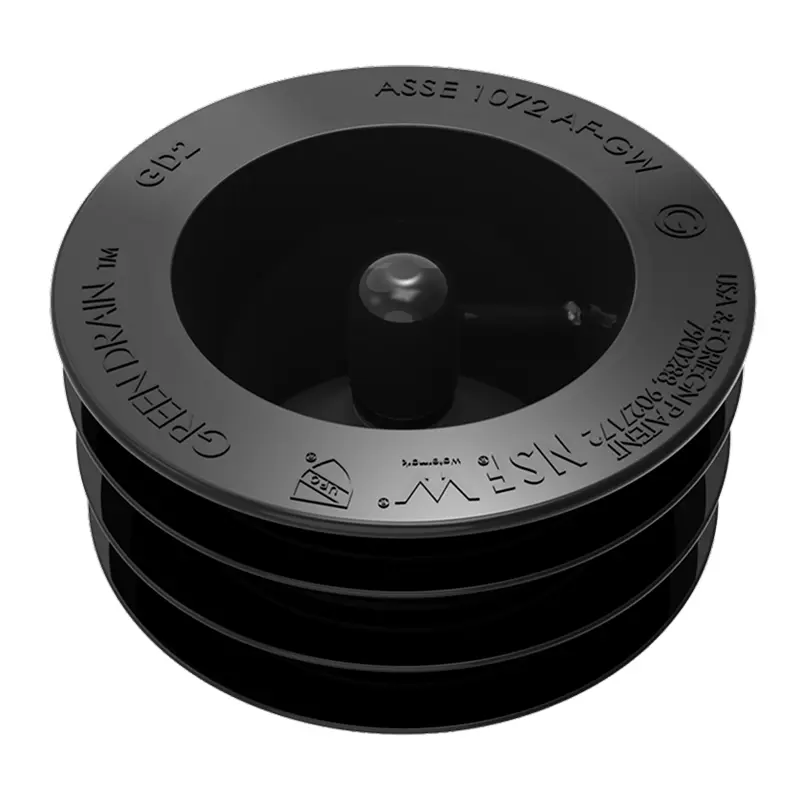
2" Waterless Trap Seal
Restroom floor drains, janitorial closet drains, fitness center shower drains
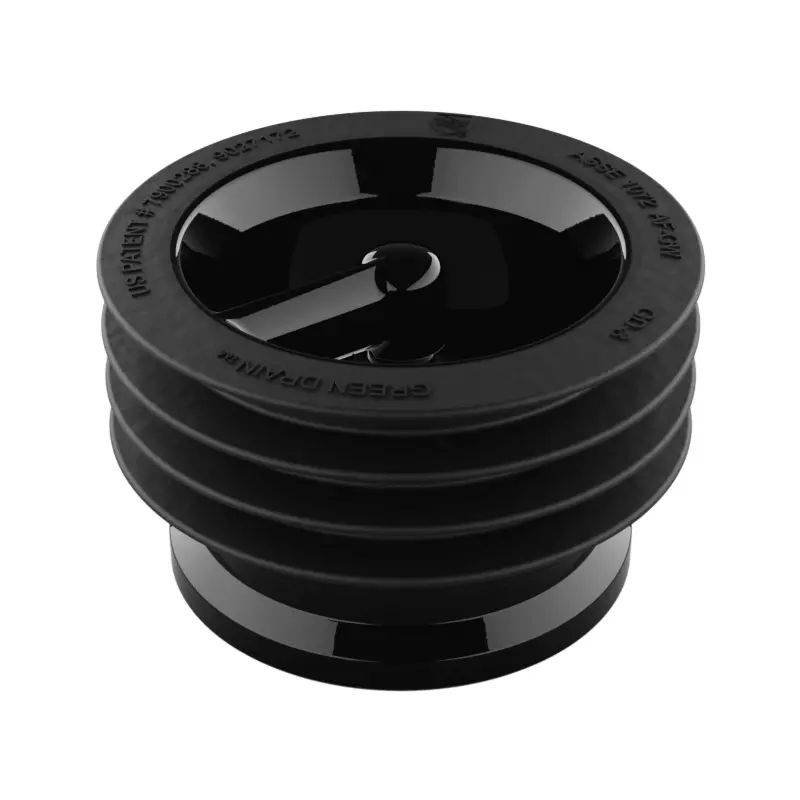
3" Waterless Trap Seal
Corridor drains, mechanical room drains, lobby restroom drains, loading dock drains
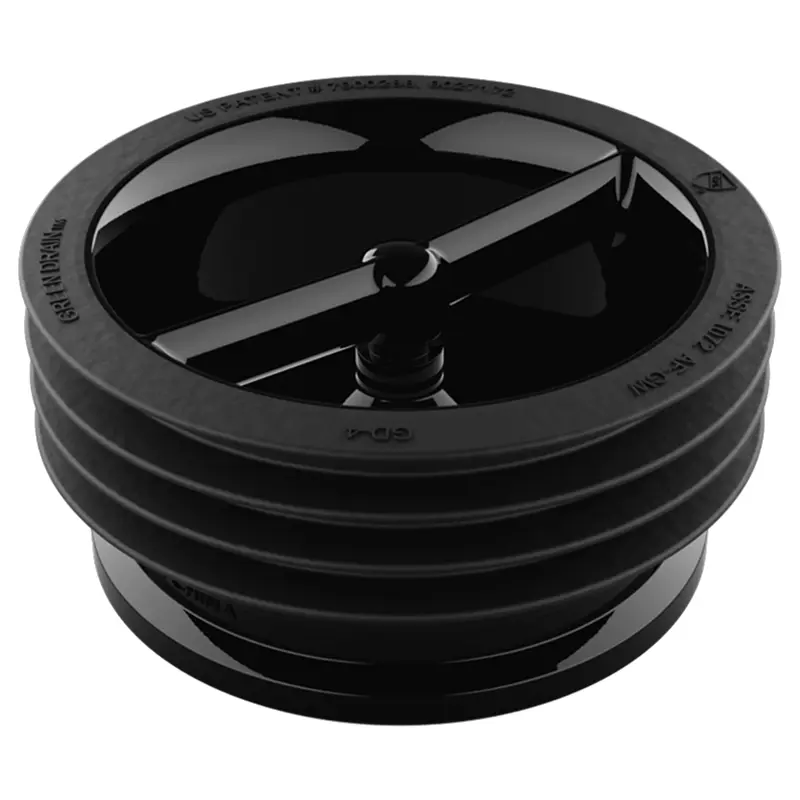
4" Waterless Trap Seal
Garage drains, kitchen drains, large mechanical room drains, utility drains
Commercial Building Drain Management Guide
A concise guide to drain odor and pest prevention in commercial office properties. Covers root cause analysis, trap primer alternatives, product sizing, and ROI framework for building owners and facility managers.
- Root cause explanation for commercial drain odor
- Trap primer cost comparison and ROI framework
- Product sizing guide for commercial applications
- Portfolio deployment planning template
Request a Copy
Want this for your facility? Talk to our team for the underlying data, certification results, and specification language.
Contact UsFrequently asked questions.
Why do office building drains smell even though the restrooms are cleaned regularly?
The odor is not a cleaning issue. It comes from the sewer system below the building. Every floor drain has a P-trap that holds water to block sewer gas. When that water evaporates in low-use drains, mechanical rooms, or vacant tenant spaces, the barrier disappears and sewer gas enters the building. Regular restroom cleaning does not restore the water seal in floor drains that are not receiving regular water flow. Green Drain adds a mechanical seal that blocks sewer gas regardless of water presence.
How much does a trap primer repair cost in a commercial building?
A single trap primer repair typically costs $1,000 or more when you factor in the plumber visit, parts, and access time. In older buildings, trap primers are often located behind walls or above ceilings, adding significant labor cost. A building with 50 drains and aging trap primer infrastructure can face tens of thousands of dollars in annual repair costs. Green Drain eliminates the trap primer entirely, replacing it with a device that requires minimal maintenance.
What happens to drains in vacant commercial tenant spaces?
Vacant tenant spaces are the most common source of drain odor in commercial buildings. When a space is unoccupied, no water flows through the drains. The P-trap water evaporates, and sewer gas enters the space. This odor can migrate to adjacent occupied spaces through shared corridors and HVAC systems. Green Drain maintains a mechanical seal regardless of occupancy, so vacant spaces do not become odor sources that affect your remaining tenants.
How many drains does a typical commercial office building have?
A mid-size commercial office building typically has around 50 floor drains across restrooms, janitorial closets, mechanical rooms, fitness centers, kitchenettes, and parking garages. Larger properties and multi-building campuses can have several hundred. Each drain has a P-trap that can dry out independently, creating multiple potential odor sources throughout the building.
Can Green Drain prevent pests from entering through floor drains?
Yes. When the P-trap water evaporates, the drain becomes an open pathway for insects and other pests from the sewer system. Green Drain's silicone valve physically blocks this pathway. Water and waste flow down through the valve normally, but nothing can travel back up. Multiple commercial property managers report that pest infiltration through drains stopped completely after installation.
How much water does a trap primer consume per year?
A continuous-flow trap primer can consume approximately 52,560 gallons of water per year per drain location. Even timer-based primers use thousands of gallons annually. For a building with 50 drains, the water consumption and associated utility cost is substantial. Green Drain uses zero water, providing immediate savings on water utility costs while eliminating the maintenance burden of the primer system.
Is Green Drain code-compliant for commercial buildings?
Yes. Green Drain is cUPC listed (IAPMO File 9301) and compliant with ASSE 1072-2020, the standard for barrier-type floor drain trap seal protection devices. It is accepted under plumbing codes across the United States, Canada (cUPC), and Europe (CE/ETA-18/0536). It can be specified as an alternative to trap primers for maintaining floor drain trap seal integrity in commercial construction.
How does drain odor affect tenant retention in commercial buildings?
Drain odor is one of the most common tenant complaints in commercial properties. It signals poor building maintenance to tenants, even when every other aspect of the facility is well managed. Persistent odor issues can factor into lease renewal decisions, especially in competitive markets. Addressing the root cause with a permanent solution like Green Drain demonstrates proactive facility management and protects tenant relationships and property value.
Seal the drains. Protect the building.
Every unsealed drain in your building is a potential tenant complaint, a pest entry point, and an ongoing maintenance cost. Trap primers fail. Manual flushing does not scale. Enzyme treatments are temporary. The problem persists until you address the root cause.
Green Drain does not replace your existing plumbing. It works with your P-traps to add a mechanical seal that never evaporates and requires minimal maintenance. No flushing schedules. No trap primer upkeep. Simple to inspect, simple to replace when the time comes.
The cost of sealing every drain in a commercial building is a fraction of a single trap primer repair campaign. It is a fraction of the cost of losing a tenant over a preventable facilities issue. Seal the drains. Solve the problem. Move on.
Ready to eliminate drain odor across your building?
Request a sample, get a building-wide quote, or talk to a commercial building specialist.